
Hotel & Serviced Apartment Refresh: Check Circuits & Dimming Before Choosing Fixtures
Hotel & Serviced Apartment Refresh: Check Control Circuits & Dimming Before Choosing Fixtures
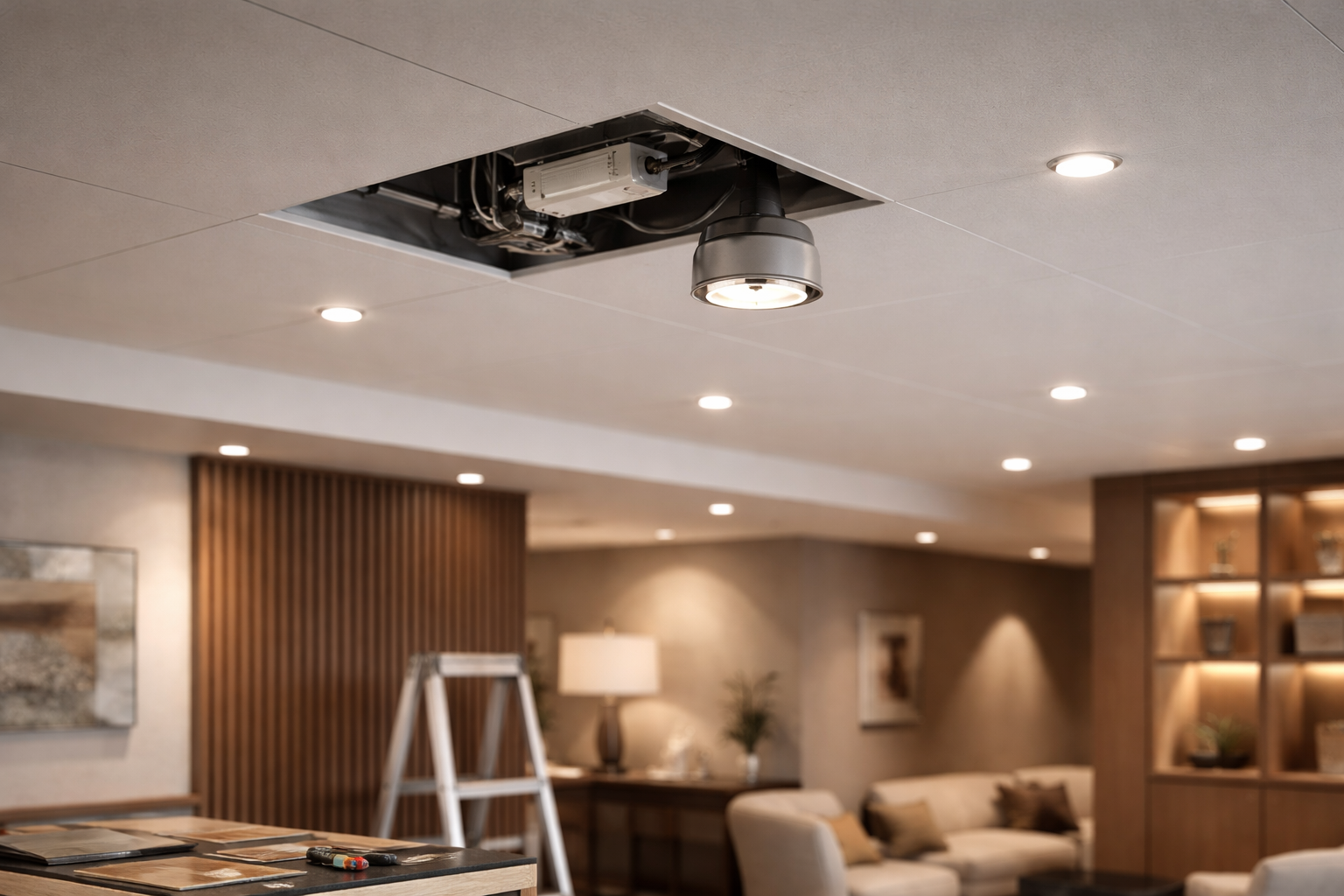
Lighting Replacement Inside Operating Properties
Refurbishment and refresh cycles in hotels, serviced apartments, and commercial interiors often begin with visible upgrades: decorative lighting, refreshed furnishings, updated textiles, or selected FF&E elements that shape the guest experience.
Yet in operating properties, the earliest point of friction in lighting replacement rarely appears in the fixture catalogue. It tends to surface within the existing control circuits and dimming conditions behind the rooms.
In guestrooms, corridors, suites, or serviced apartment units, decorative lighting rarely functions as an isolated purchase decision. Wall lights, bedside fixtures, ceiling fittings, and lamps typically interact with an electrical environment defined by existing drivers, switching logic, and dimming systems.
When these conditions are clarified early, fixture selection often moves forward through procurement and approvals with fewer uncertainties. When they remain unclear until later stages, even small technical questions can extend into operational disruption.
Why Control Conditions Often Surface Late
In many refresh programs, the visual layer of the interior understandably receives early attention. Decorative lighting, mirrors, artwork, textiles, and selected furnishings often form part of the same improvement scope. From a guest perspective, these visible elements define the perceived outcome of the refurbishment.
However, the control environment supporting those fixtures may have been installed years earlier under different design assumptions. Switching arrangements, driver types, and dimming methods may vary between floors, room categories, or phases of construction.
Because these systems are largely invisible, their influence may only become clear once fixture selection has already progressed. In many refresh programs, confirming how existing circuits switch and dim tends to be the step that quietly determines whether a lighting replacement proceeds smoothly — or returns to review later.
This is rarely a design oversight. It is simply a characteristic of operating properties that have evolved over time.
Why Sequencing Matters in Refresh Projects
When circuit behavior and dimming conditions are reviewed late in the sequence, operational friction often appears indirectly:
-
Projects may slow while teams confirm whether shortlisted fixtures respond correctly within the property’s existing control setup.
-
Contractors may revisit installation details to confirm driver compatibility or access constraints.
-
Procurement teams may pause approvals while compatibility questions are clarified.
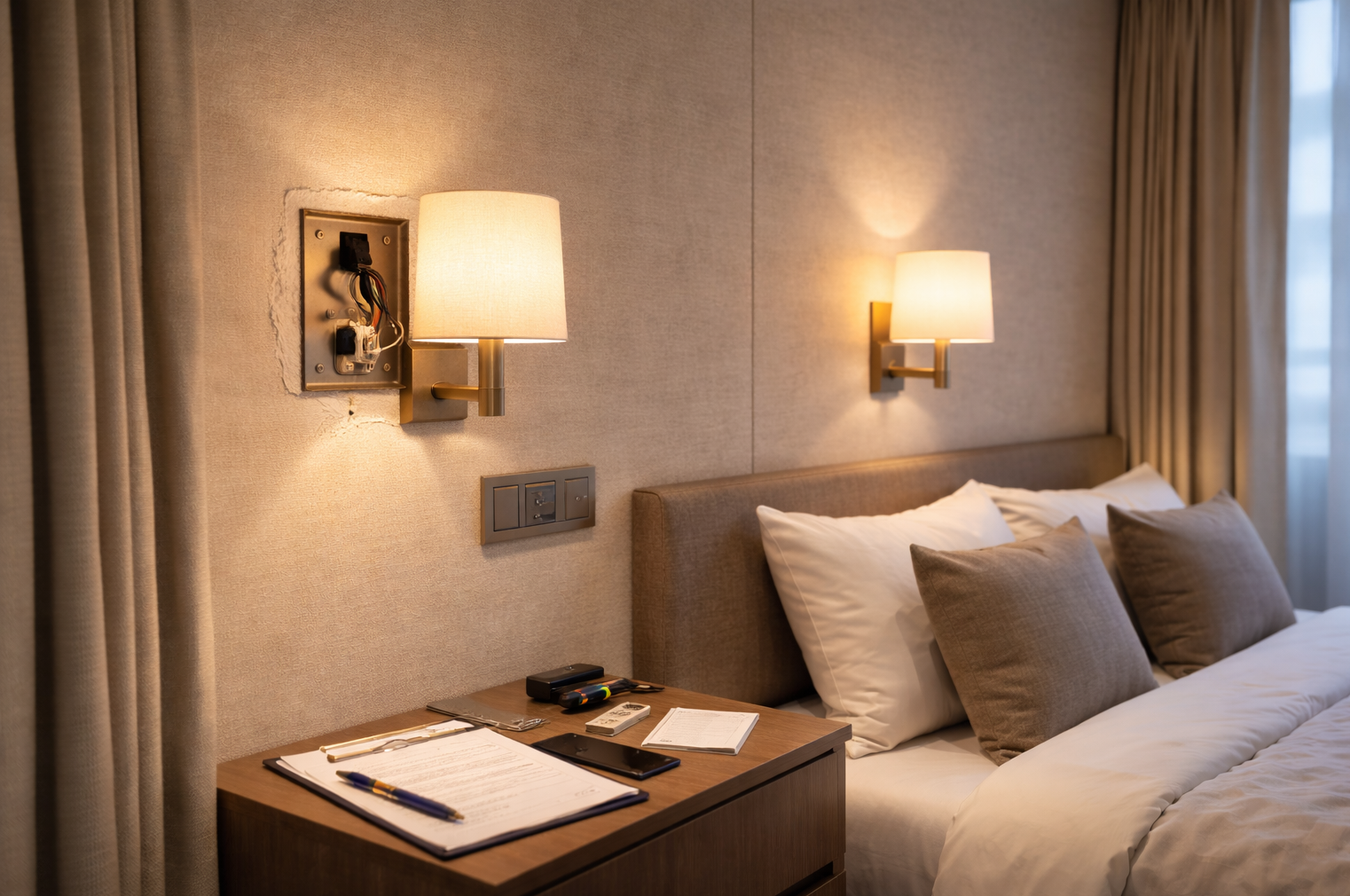
In some cases, the issue becomes visible during installation. A fixture approved visually may behave differently once connected to the property’s dimming system. Brightness levels can vary between rooms, response curves may differ across zones, or the intended ambience may shift.
In active hospitality environments, these adjustments rarely remain technical. They influence service windows, room readiness, rollout sequencing, and the confidence of teams responsible for final approval.
The commercial cost is rarely limited to the fixture itself. More often it appears in coordination time, repeated review cycles, and operational pressure inside properties that must remain guest-ready.
Where Decorative Lighting and FF&E Coordination Intersect
Refresh programs rarely treat lighting as a standalone element. Decorative fixtures are often reviewed alongside selected furniture items, headboards, mirrors, artwork, window treatments, and other visible components shaping the guest environment.
A wall light may visually complement upholstery and joinery. A bedside fixture may align with the layout of the headboard and side table. A ceiling piece may reinforce the intended mood of the broader interior concept.
Yet lighting occupies a unique position within this visual package. It is both a design element and an electrical system. When the electrical context of the room is clarified early, lighting selections can align more comfortably with surrounding FF&E decisions. When this context appears later, visible elements that were previously approved may need to be revisited simply to maintain visual and operational consistency.
For teams responsible for procurement, facilities management, or project coordination, this sequencing can influence how smoothly the broader refresh package progresses.
A Line Many Operators Recognise
“Before confirming the fixture, understand how the room actually switches and dims.”
This observation is practical rather than technical. It shifts one conversation slightly earlier in the process, allowing visual selection and operational conditions to move forward together. In many projects, that small adjustment is enough to prevent later uncertainty.
Property Conditions Vary
No two hospitality properties share identical electrical histories, ceiling conditions, control systems, or approval pathways. Even within the same brand portfolio, earlier renovations or phased developments can introduce variations between buildings, wings, or room categories.
Refurbishment strategies rarely follow a universal template. Lighting compatibility, control arrangements, and installation access tend to remain specific to each property.
For many operators and owners, these aspects are reviewed privately within project discussions, where site drawings, operational schedules, and refurbishment objectives can be considered together.
When Refresh Projects Move Into Active Planning
For hotels, serviced apartments, and mixed-use hospitality environments currently reviewing lighting replacement or broader interior refresh programs, early visibility into circuit behavior and dimming conditions can help clarify whether the proposed direction is straightforward or likely to require further coordination.
Projects involving decorative lighting, selected furniture, and soft-furnishing coordination often benefit from evaluating these operational aspects alongside the visual concept. Because installation conditions, approval routes, and building infrastructure differ from project to project, these discussions are typically most productive within the context of a specific property.
Teams exploring upcoming refresh scopes or lighting replacement discussions are welcome to reach out with a brief project outline if a preliminary conversation would be helpful. This can clarify whether the intended direction is operationally straightforward or may require additional coordination.
Lighting Replacement Inside Operating Properties
Refurbishment and refresh cycles in hotels, serviced apartments, and commercial interiors often begin with visible upgrades: decorative lighting, refreshed furnishings, updated textiles, or selected FF&E elements that shape the guest experience.
Yet in operating properties, the earliest point of friction in lighting replacement rarely appears in the fixture catalogue. It tends to surface within the existing control circuits and dimming conditions behind the rooms.
In guestrooms, corridors, suites, or serviced apartment units, decorative lighting rarely functions as an isolated purchase decision. Wall lights, bedside fixtures, ceiling fittings, and lamps typically interact with an electrical environment defined by existing drivers, switching logic, and dimming systems.
When these conditions are clarified early, fixture selection often moves forward through procurement and approvals with fewer uncertainties. When they remain unclear until later stages, even small technical questions can extend into operational disruption.
Why Control Conditions Often Surface Late
In many refresh programs, the visual layer of the interior understandably receives early attention. Decorative lighting, mirrors, artwork, textiles, and selected furnishings often form part of the same improvement scope. From a guest perspective, these visible elements define the perceived outcome of the refurbishment.
However, the control environment supporting those fixtures may have been installed years earlier under different design assumptions. Switching arrangements, driver types, and dimming methods may vary between floors, room categories, or phases of construction.
Because these systems are largely invisible, their influence may only become clear once fixture selection has already progressed. In many refresh programs, confirming how existing circuits switch and dim tends to be the step that quietly determines whether a lighting replacement proceeds smoothly — or returns to review later.
This is rarely a design oversight. It is simply a characteristic of operating properties that have evolved over time.
Why Sequencing Matters in Refresh Projects
When circuit behavior and dimming conditions are reviewed late in the sequence, operational friction often appears indirectly:
-
Projects may slow while teams confirm whether shortlisted fixtures respond correctly within the property’s existing control setup.
-
Contractors may revisit installation details to confirm driver compatibility or access constraints.
-
Procurement teams may pause approvals while compatibility questions are clarified.
In some cases, the issue becomes visible during installation. A fixture approved visually may behave differently once connected to the property’s dimming system. Brightness levels can vary between rooms, response curves may differ across zones, or the intended ambience may shift.
In active hospitality environments, these adjustments rarely remain technical. They influence service windows, room readiness, rollout sequencing, and the confidence of teams responsible for final approval.
The commercial cost is rarely limited to the fixture itself. More often it appears in coordination time, repeated review cycles, and operational pressure inside properties that must remain guest-ready.
Where Decorative Lighting and FF&E Coordination Intersect
Refresh programs rarely treat lighting as a standalone element. Decorative fixtures are often reviewed alongside selected furniture items, headboards, mirrors, artwork, window treatments, and other visible components shaping the guest environment.
A wall light may visually complement upholstery and joinery. A bedside fixture may align with the layout of the headboard and side table. A ceiling piece may reinforce the intended mood of the broader interior concept.
Yet lighting occupies a unique position within this visual package. It is both a design element and an electrical system. When the electrical context of the room is clarified early, lighting selections can align more comfortably with surrounding FF&E decisions. When this context appears later, visible elements that were previously approved may need to be revisited simply to maintain visual and operational consistency.
For teams responsible for procurement, facilities management, or project coordination, this sequencing can influence how smoothly the broader refresh package progresses.
A Line Many Operators Recognise
“Before confirming the fixture, understand how the room actually switches and dims.”
This observation is practical rather than technical. It shifts one conversation slightly earlier in the process, allowing visual selection and operational conditions to move forward together. In many projects, that small adjustment is enough to prevent later uncertainty.
Property Conditions Vary
No two hospitality properties share identical electrical histories, ceiling conditions, control systems, or approval pathways. Even within the same brand portfolio, earlier renovations or phased developments can introduce variations between buildings, wings, or room categories.
Refurbishment strategies rarely follow a universal template. Lighting compatibility, control arrangements, and installation access tend to remain specific to each property.
For many operators and owners, these aspects are reviewed privately within project discussions, where site drawings, operational schedules, and refurbishment objectives can be considered together.
When Refresh Projects Move Into Active Planning
For hotels, serviced apartments, and mixed-use hospitality environments currently reviewing lighting replacement or broader interior refresh programs, early visibility into circuit behavior and dimming conditions can help clarify whether the proposed direction is straightforward or likely to require further coordination.
Projects involving decorative lighting, selected furniture, and soft-furnishing coordination often benefit from evaluating these operational aspects alongside the visual concept. Because installation conditions, approval routes, and building infrastructure differ from project to project, these discussions are typically most productive within the context of a specific property.
Teams exploring upcoming refresh scopes or lighting replacement discussions are welcome to reach out with a brief project outline if a preliminary conversation would be helpful. This can clarify whether the intended direction is operationally straightforward or may require additional coordination.
 FM Lighting Replacements Without Guessing: Check Driver and Dimming Compatibility Before the Fixture Looks “Ready to Replace”
 Hotel & Serviced Apartment Refresh: Check Circuits & Dimming Before Choosing Fixtures
 Why multi-stakeholder projects rush timelines but delay decisions
 Layered Lighting 101: The Fastest Upgrade That Changes a Home