
Layered Lighting 101: The Fastest Upgrade That Changes a Home
Layered Lighting 101: The Fastest Home Lighting Design Upgrade
Tired of rooms that feel either too harsh or too dark? This common frustration is rarely about the fixtures themselves. More often, it’s the result of relying on a single layer of light. Discover the power of layered lighting design—the most effective lighting upgrade without renovation that can transform the function, comfort, and mood of your home.
Single-source lighting flattens a space, while a layered approach adds dimension and purpose. Mastering this concept is simpler than you think, and it all starts with a foundational three-layer formula.
1. Ambient Layer: How to Set the Foundation
The ambient layer is your base—the general, even light that fills the entire room, eliminating dark corners.
Examples: Recessed downlights, ceiling-mounted fixtures, or indirect light from coves.
Pro Tip: Always make it dimmable. This single control sets the overall brightness baseline and allows you to adapt the room’s mood instantly.
2. Task Layer: How to Illuminate Function
This layer provides focused light precisely where work and activities happen, enhancing both safety and efficiency.
Examples: Under-cabinet lighting in kitchens, a dedicated reading lamp by a chair, or balanced vanity lighting in bathrooms.
Pro Tip: Place the light source beside or behind the user (e.g., at the side of a desk, not directly above) to minimize glaring shadows on the task area.
3. Accent Layer: How to Create Depth & Drama
Accent lighting is the designer’s tool for adding visual interest and highlighting your home’s best features.
Examples: Adjustable spots for artwork, wall grazers to texture, or discrete LED strips on shelves.
Pro Tip: For maximum impact, accent light should be 3 to 5 times brighter than the surrounding ambient light to effectively “pop” against its background.
✅ Avoid These Common Lighting Mistakes
Many well-intentioned remodels fall short by overlooking layered lighting principles. Steer clear of these frequent errors:
Over-Reliance on Downlights: Using only ceiling downlights creates a flat, clinical look with no functional task or decorative accent layers.
Skipping Dimming Controls: Fixed brightness offers no flexibility for time of day or activity, severely limiting a room’s versatility.
Treating Accent Lighting as “Optional”: Omitting this layer leaves a space feeling incomplete, lacking the depth and personality that make a design feel curated.
What room in your home suffers most from poor lighting—is it the kitchen, living room, or bathroom?
Want to plan your lighting like a pro?
Put these principles into practice with our free professional tool. Email “RFQ Sheet” to [salesmoon@muenhuiks.com] or send us a direct message to receive your free 1-Page Residential Lighting Planning Guide. This template helps you define zones, assign lighting layers, and note key specs for a perfectly layered space.
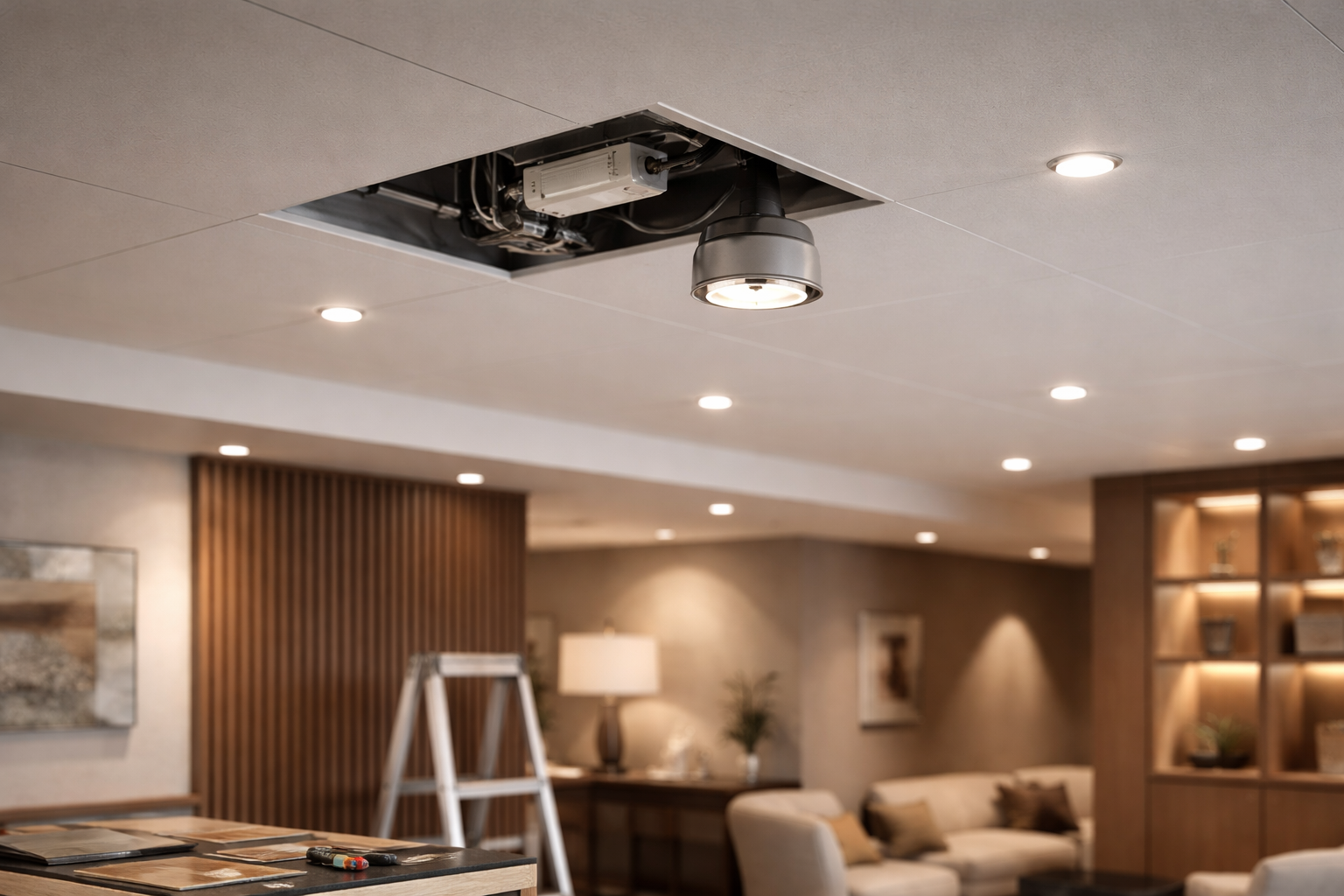 FM Lighting Replacements Without Guessing: Check Driver and Dimming Compatibility Before the Fixture Looks “Ready to Replace”
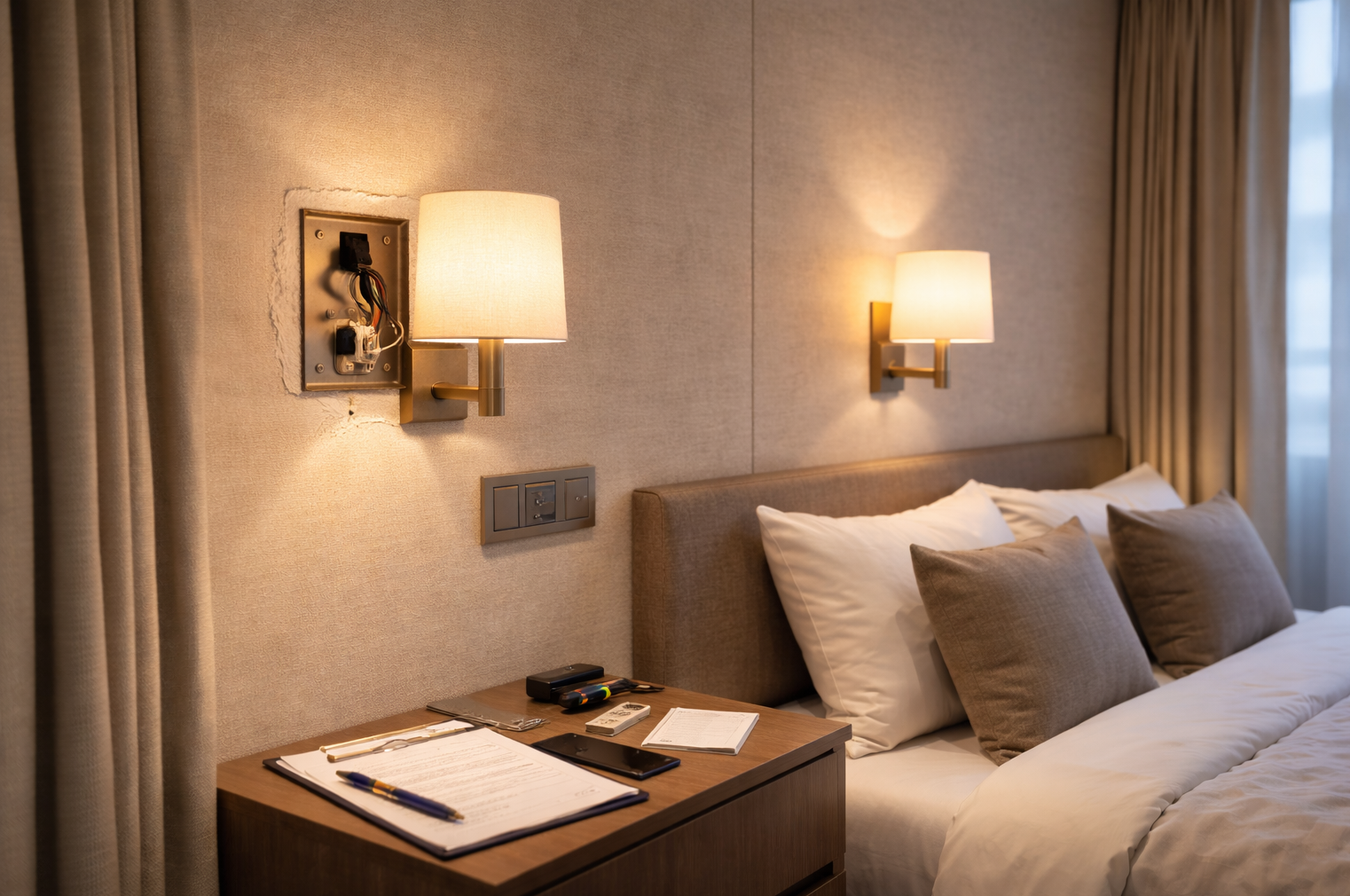 Hotel & Serviced Apartment Refresh: Check Circuits & Dimming Before Choosing Fixtures
 Why multi-stakeholder projects rush timelines but delay decisions
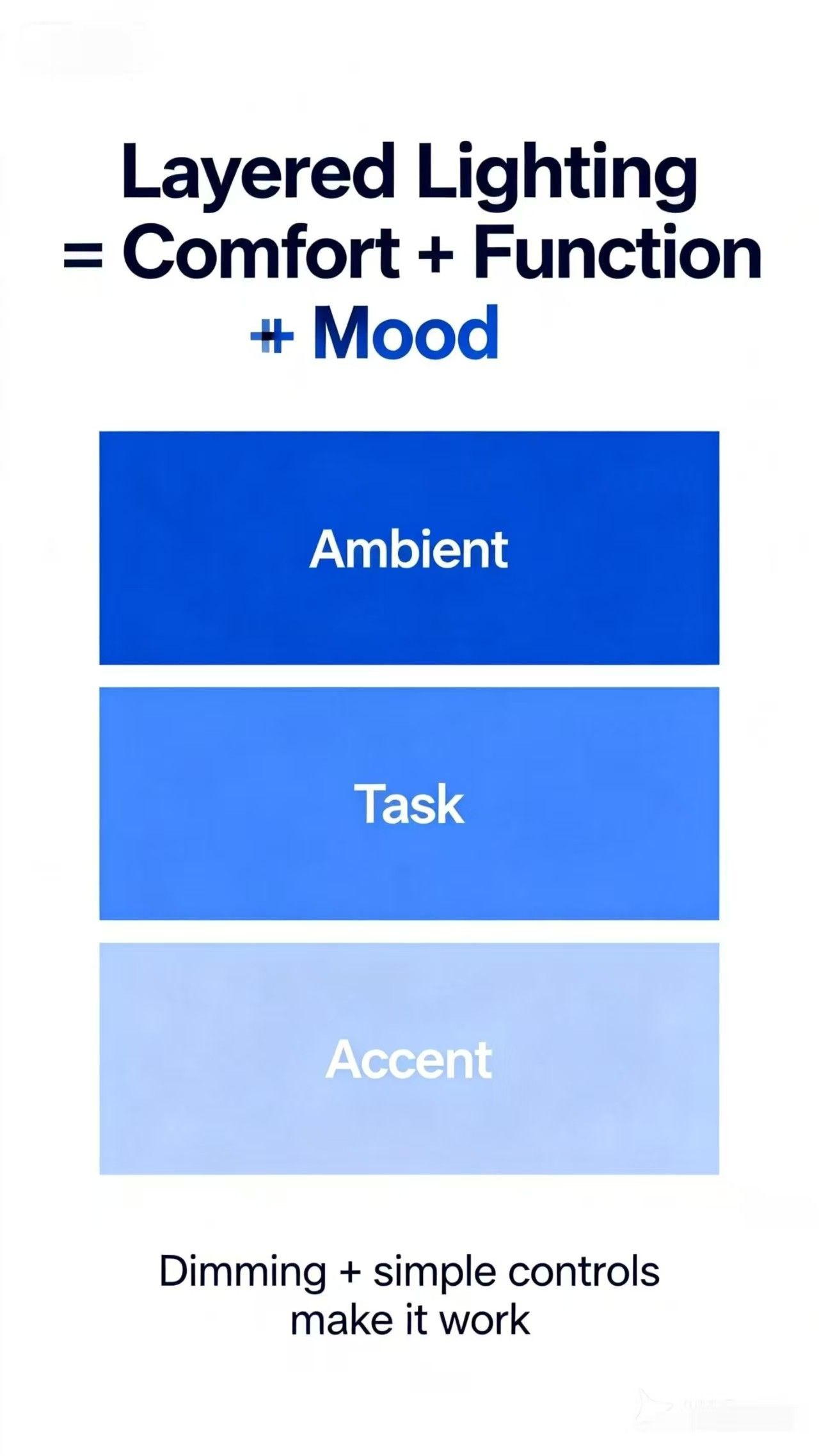 Layered Lighting 101: The Fastest Upgrade That Changes a Home