
Beyond Illumination: Smart & Sustainable Lighting Trends for Middle East Hotels in 2026
Introduction: Lighting as a Strategic Asset
In the competitive landscape of Middle Eastern hospitality, lighting is undergoing a profound transformation. It is no longer just about visibility or decoration; it is a critical tool for enhancing guest well-being, streamlining operations, and achieving ambitious sustainability targets. As we look toward 2026, two dominant forces are guiding this evolution: the seamless integration of intelligent controls and a deep commitment to sustainable design.
Trend 1: The Rise of Hyper-Personalized, IoT-Driven Environments
The era of the one-size-fits-all guest room is fading. In 2026, lighting systems will act as intuitive partners to the guest journey.
Adaptive Guest Rooms: Using discreet sensors and IoT platforms, rooms will automatically adjust ambient lighting based on time of day, detected presence, and even curtain position (harnessing natural light). Guests can fine-tune scenes for "Work," "Relax," or "Sleep" via their own devices or voice assistants.
Public Space Dynamism: In lobbies, restaurants, and spas, lighting will dynamically shift to create distinct atmospheres—energizing morning light, vibrant social scenes at dinner, and tranquil evening moods—all programmed and controlled centrally to support operational flow and branding.
Trend 2: Sustainability Measured in Lumens and Data
With regional commitments to net-zero goals, sustainable lighting is a non-negotiable.
Energy Intelligence: Advanced systems go beyond basic LED savings. They provide detailed, circuit-level energy consumption data, allowing facilities managers to identify waste, optimize schedules, and generate reports for ESG (Environmental, Social, and Governance) compliance.
Circular Design & Maintenance: There is a growing preference for fixtures designed for longevity, easy disassembly, and component replacement. This reduces lifecycle waste and operational downtime, aligning with circular economy principles.
Trend 3: Human-Centric Lighting (HCL) for Well-being and Brand Differentiation
HCL, which aligns light intensity and color temperature with the human circadian rhythm, is moving from concept to standard.
Enhancing Guest Vitality: Thoughtfully tuned lighting in guest rooms and wellness areas can help mitigate jet lag and promote better sleep, directly contributing to a premium guest experience.
Employee-Focused Design: Applying HCL principles to back-of-house areas like staff corridors and offices can support employee alertness and well-being, reflecting a holistic approach to hotel design.
Conclusion: The Integrated Future
The leading hotels of 2026 will be those that successfully integrate these strands. The future belongs to lighting solutions where intelligence and sustainability are inseparable—systems that save energy by being responsive, enhance experience through personalization, and are built to last. For stakeholders, the question is no longer if to adopt these trends, but how to implement them effectively to build resilient, desirable, and responsible hospitality assets.
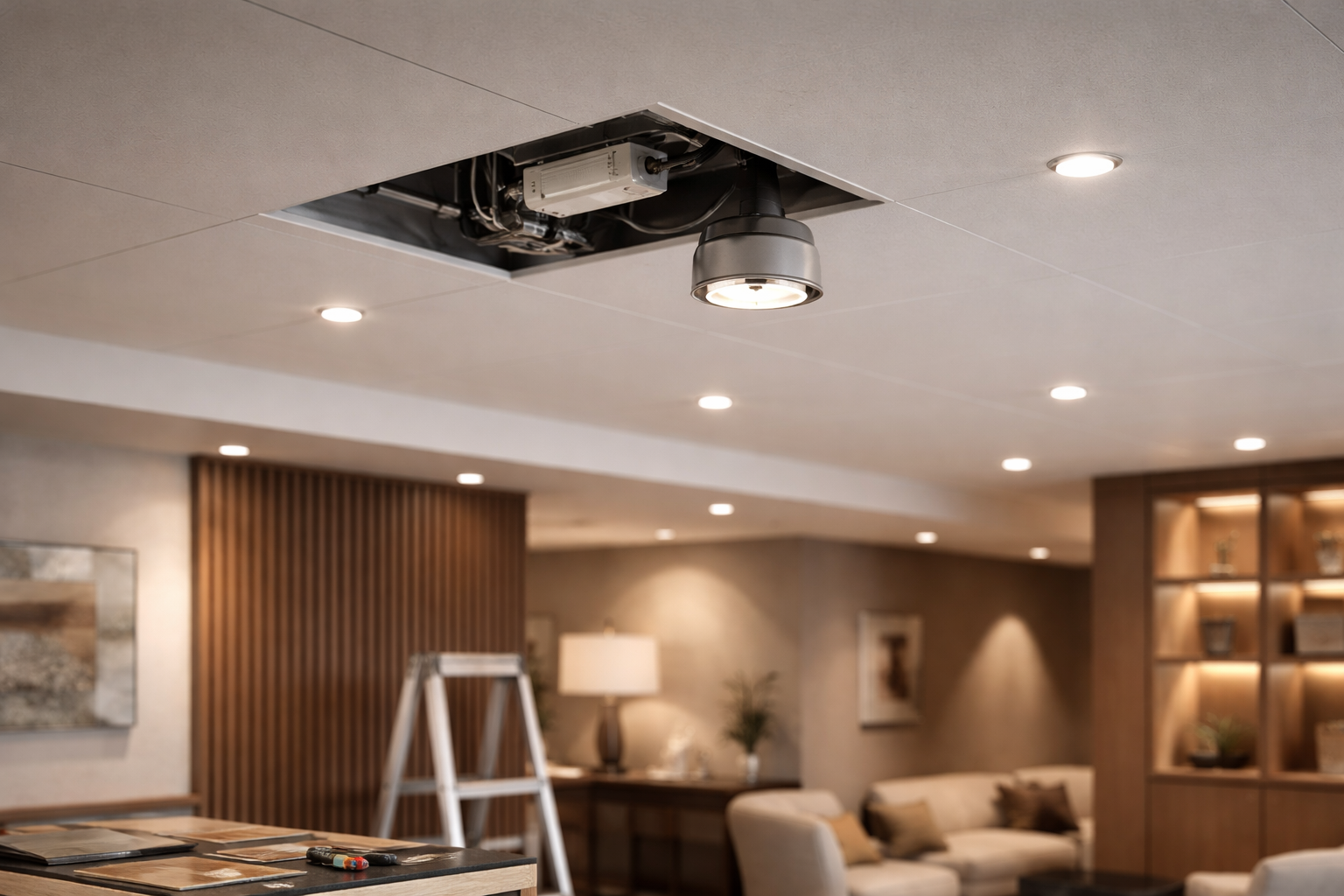 FM Lighting Replacements Without Guessing: Check Driver and Dimming Compatibility Before the Fixture Looks “Ready to Replace”
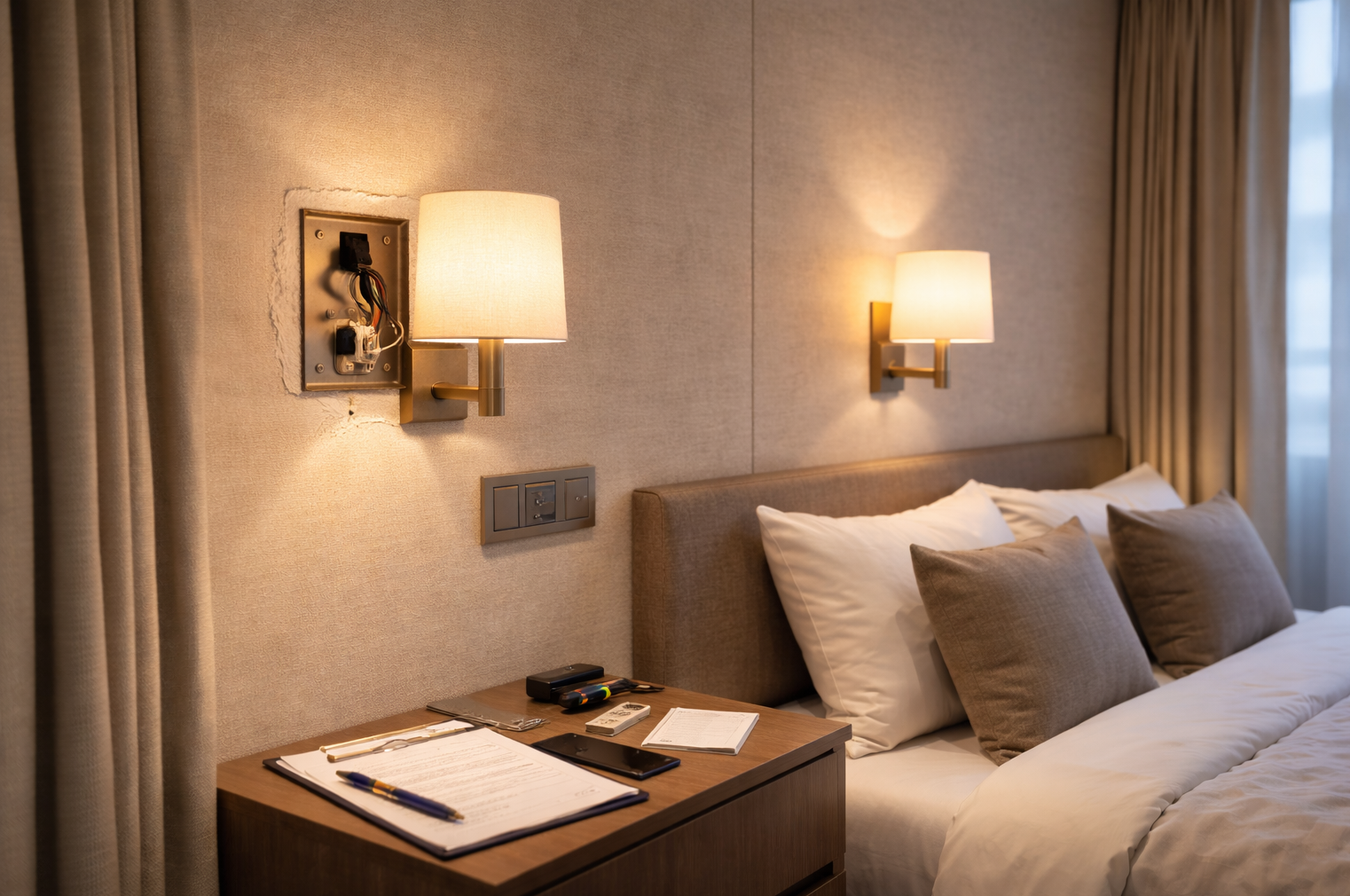 Hotel & Serviced Apartment Refresh: Check Circuits & Dimming Before Choosing Fixtures
 Why multi-stakeholder projects rush timelines but delay decisions
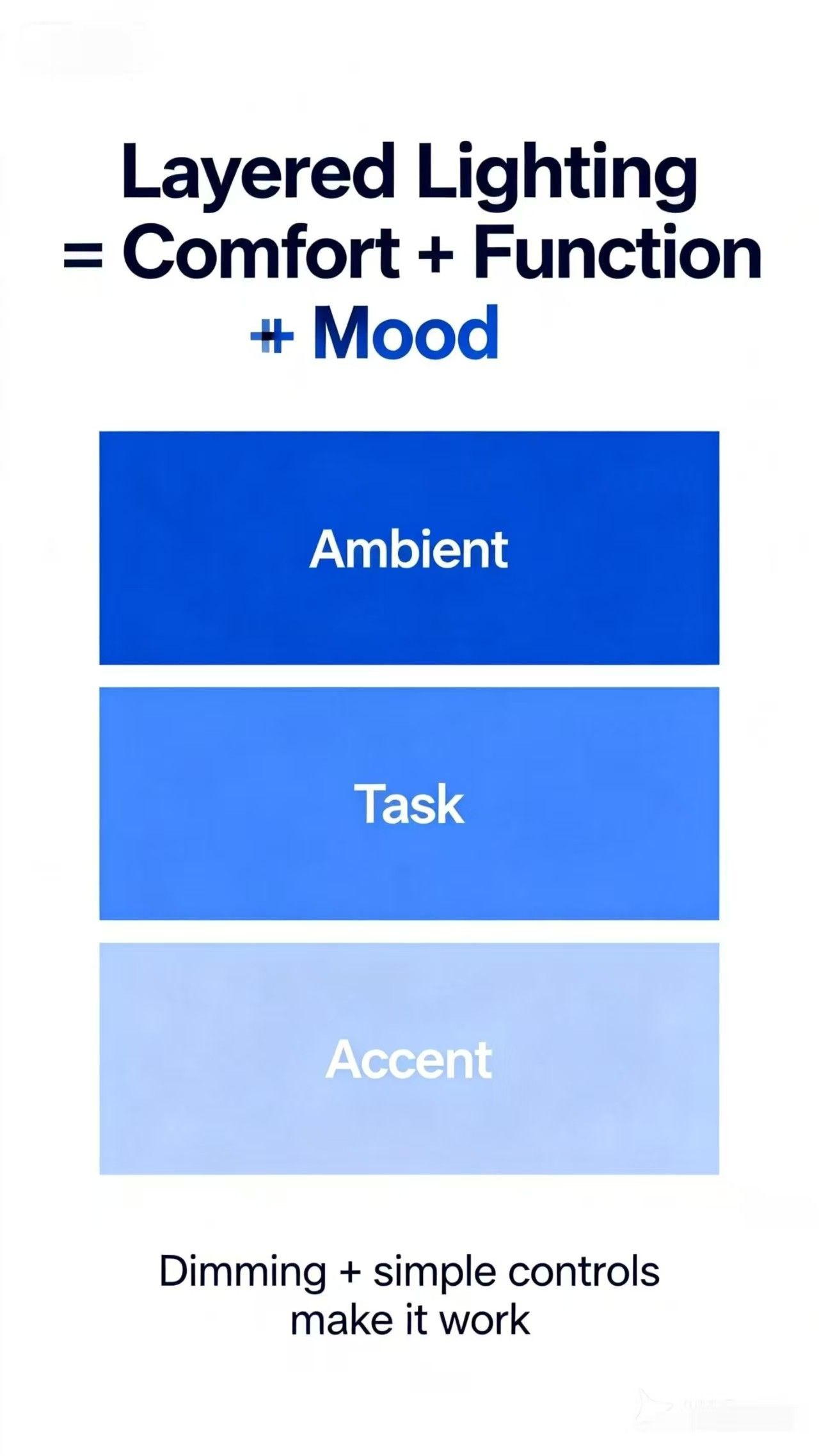 Layered Lighting 101: The Fastest Upgrade That Changes a Home