
The Care and Maintenance of Crystal Chandeliers: Keeping the Sparkle Alive
The Care and Maintenance of Crystal Chandeliers: Keeping the Sparkle Alive
Introduction: Preserving the Brilliance
A crystal chandelier is a long-term investment in beauty. However, dust, airborne oils, and environmental pollutants can gradually dim its legendary sparkle. Regular, proper maintenance is not just about cleanliness—it's about preserving the fixture's optical performance, structural integrity, and value. With the right techniques and precautions, you can keep your chandelier radiating light spectacularly for decades.
Part 1: Routine Maintenance - The First Line of Defense
Frequent, gentle care prevents the buildup that necessitates harsh cleaning.
Dry Dusting (Monthly/Bi-Monthly): This is the most important routine task. Use a clean, soft, natural bristle brush (like a makeup or artist's brush) or a microfiber duster on an extendable pole. Always work over a drop cloth. Gently brush each crystal prism and all metal surfaces. Never use feather dusters—they can snag and dislodge crystals.
The "No-Touch" Rule: Always handle crystals by their edges or the metal fittings. Oils from your skin can leave permanent fingerprints that attract more dust and are difficult to remove.
Part 2: Deep Cleaning - Step-by-Step Guide
A thorough wet clean is needed every 1-3 years, depending on environment.
SAFETY FIRST: Always turn off power at the circuit breaker before any cleaning.
Method A: Cleaning in Place (Recommended for most)
Prepare the Area: Lay a thick drop cloth or plastic sheeting on the floor and furniture below. Consider wearing safety goggles.
Protect the Electrical Components: Cover the socket arms and any electrical parts with plastic bags secured with tape to prevent water ingress.
The Cleaning Solution: In a spray bottle, mix a few drops of mild, ammonia-free dish soap with distilled water (to prevent mineral spots). Avoid harsh chemicals, vinegar, or alcohol.
Clean Methodically: Lightly mist a soft, lint-free microfiber cloth with the solution (never spray directly onto the chandelier). Wipe each crystal individually, drying immediately with a second clean, dry microfiber cloth. Work in sections.
Method B: The "One-Glove" Method (For very dusty fixtures)
Wear a soft cotton glove. Dip your fingertips in a solution of isopropyl alcohol and distilled water (50/50), then gently pinch and slide each crystal between your fingers. The dirt transfers to the glove. Dry immediately. This is efficient but requires care.
Part 3: Metal and Electrical Component Care
Metal Frames: Polish metal surfaces (brass, bronze, nickel) with a polish appropriate for the finish, following the manufacturer's instructions. For lacquered finishes, simply wipe with a damp cloth.
Regular Inspection: Periodically check for loose crystals (tighten gently), frayed wires, or corroded sockets. Ensure the fixture is still securely mounted to the ceiling.
Part 4: When to Call a Professional
Recognize when a job is beyond DIY:
Large or Very High Chandeliers: Safety risk makes professional access equipment necessary.
Antique or Valuable Pieces: Professionals have the expertise to handle delicate components, repair broken crystal, and re-wire safely without devaluing the piece.
Major Dismantling & Restoration: For a complete clean or repair, a professional service will take down the entire fixture, ultrasonic-clean each crystal, polish all metal, and re-assemble it like new.
Special Consideration: Antique Chandeliers
Handle with Extreme Care: Older crystals can be brittle, and antique metal may be soft. Avoid water cleaning if possible; stick to meticulous dry dusting.
Documentation: Before cleaning, photograph the fixture from multiple angles. This provides a reference for re-assembly if crystals are removed.
Consult a Specialist: For any repair or deep cleaning of a genuine antique, seek out a lighting restoration expert to preserve its historical and monetary value.
Conclusion: A Labor of Love
Caring for a crystal chandelier is a commitment that pays dividends in enduring beauty. By establishing a routine of gentle dusting, performing careful periodic cleans, and knowing when to enlist professional help, you become the steward of a masterpiece. The result is a fixture that doesn't just hang from your ceiling but continues to actively perform its prima
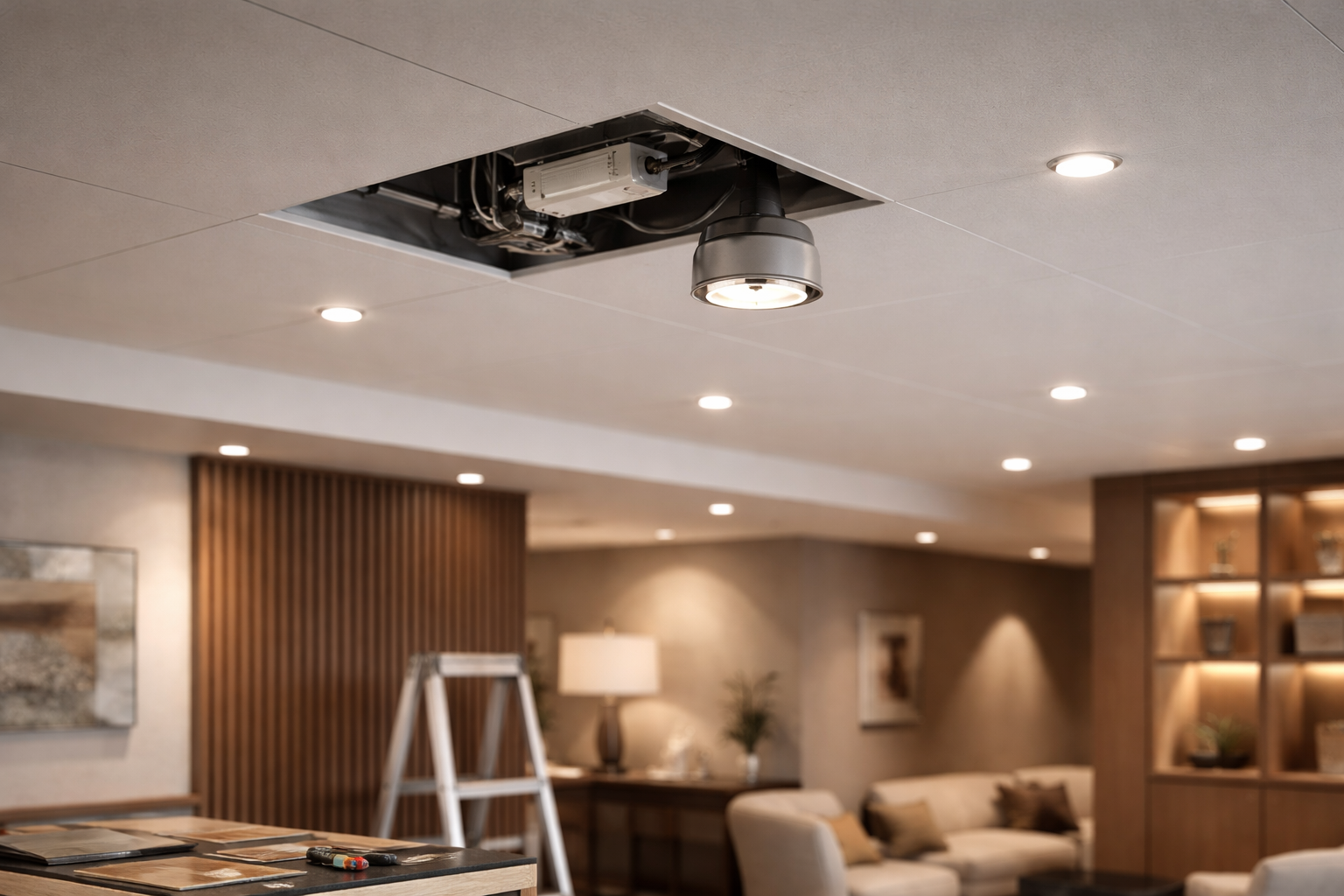 FM Lighting Replacements Without Guessing: Check Driver and Dimming Compatibility Before the Fixture Looks “Ready to Replace”
 Hotel & Serviced Apartment Refresh: Check Circuits & Dimming Before Choosing Fixtures
 Why multi-stakeholder projects rush timelines but delay decisions
 Layered Lighting 101: The Fastest Upgrade That Changes a Home