
Flicker and Glare: How Poor Light Sources Affect Health and Comfort
Flicker and Glare: How Poor Light Sources Affect Health and Comfort
Introduction: The Hidden Stressors in Your Lighting
Two of the most common—yet often overlooked—problems with inferior light sources are flicker and glare. While you might not always consciously perceive them, your eyes and brain certainly do. Understanding and avoiding these issues is crucial for creating comfortable, healthy lighting environments.
Part 1: The Flicker Problem
Flicker refers to rapid, subtle fluctuations in light output that occur when a light source's power supply can't maintain consistent current.
The Health Impact: Even flicker you can't consciously see can cause eye strain, headaches, migraines, and mental fatigue. Studies suggest it may also affect concentration and productivity.
The Dimming Test: A common symptom of poor-quality dimmable LEDs is noticeable flicker at low brightness levels. Quality flicker-free sources maintain steady light output across their entire dimming range.
How to Detect Flicker: Use your smartphone's camera: point it at the light source. If you see rolling bars or stripes on the screen, the source likely has problematic flicker.
Part 2: The Glare Problem
Glare occurs when a light source is too bright compared to its surroundings, causing visual discomfort and reduced visibility.
Direct vs. Reflected Glare: Direct glare comes from seeing the light source directly (like an exposed bright bulb). Reflected glare appears on shiny surfaces like screens and countertops.
The Comfort Solution: Quality fixtures manage glare through diffusers, baffles, and proper shielding that conceal the direct view of bright LEDs while still delivering efficient light output.
The Unified Glare Rating (UGR): In commercial settings, UGR is a standardized measurement of glare. A lower UGR (below 19) indicates a more comfortable visual environment.
Part 3: Choosing Comfort-First Lighting
Protect your visual comfort by selecting sources and fixtures that prioritize these features:
Look for "Flicker-Free" Certification: Reputable manufacturers test and verify their products as flicker-free, especially for dimmable models.
Avoid Exposed Bright Sources: Choose fixtures with frosted lenses, micro-prismatic diffusers, or deep baffles that hide the direct view of LEDs.
Consider Indirect Lighting: Fixtures that bounce light off ceilings or walls provide the most comfortable, glare-free illumination for general ambient lighting.
Conclusion: Comfort is a Specification
Visual comfort isn't accidental—it's the result of carefully engineered light sources and fixtures. By understanding the causes of flicker and glare and knowing what to look for (and avoid), you can select lighting that illuminates your space without causing discomfort, helping you feel better and see more clearly throughout the day.
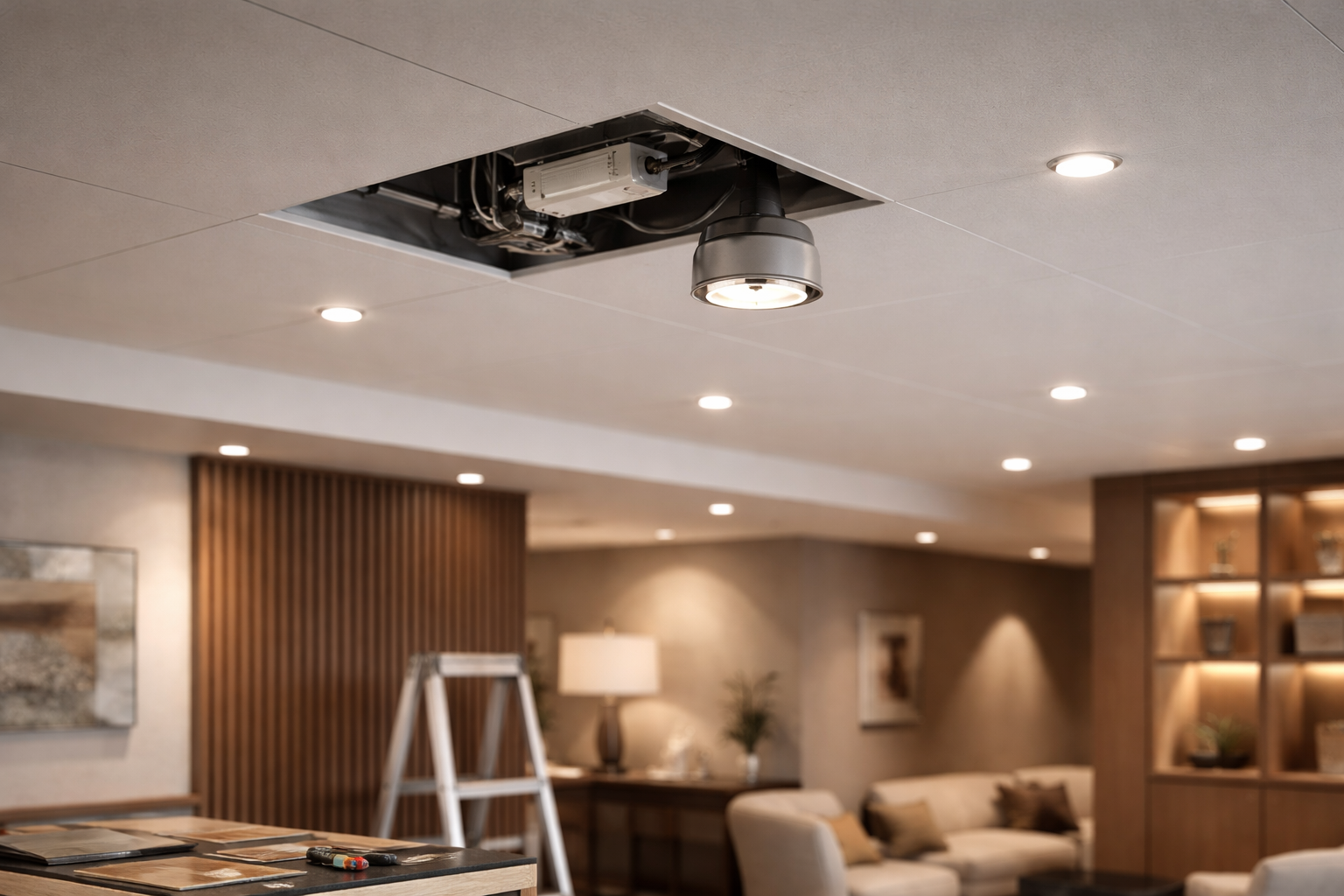 FM Lighting Replacements Without Guessing: Check Driver and Dimming Compatibility Before the Fixture Looks “Ready to Replace”
 Hotel & Serviced Apartment Refresh: Check Circuits & Dimming Before Choosing Fixtures
 Why multi-stakeholder projects rush timelines but delay decisions
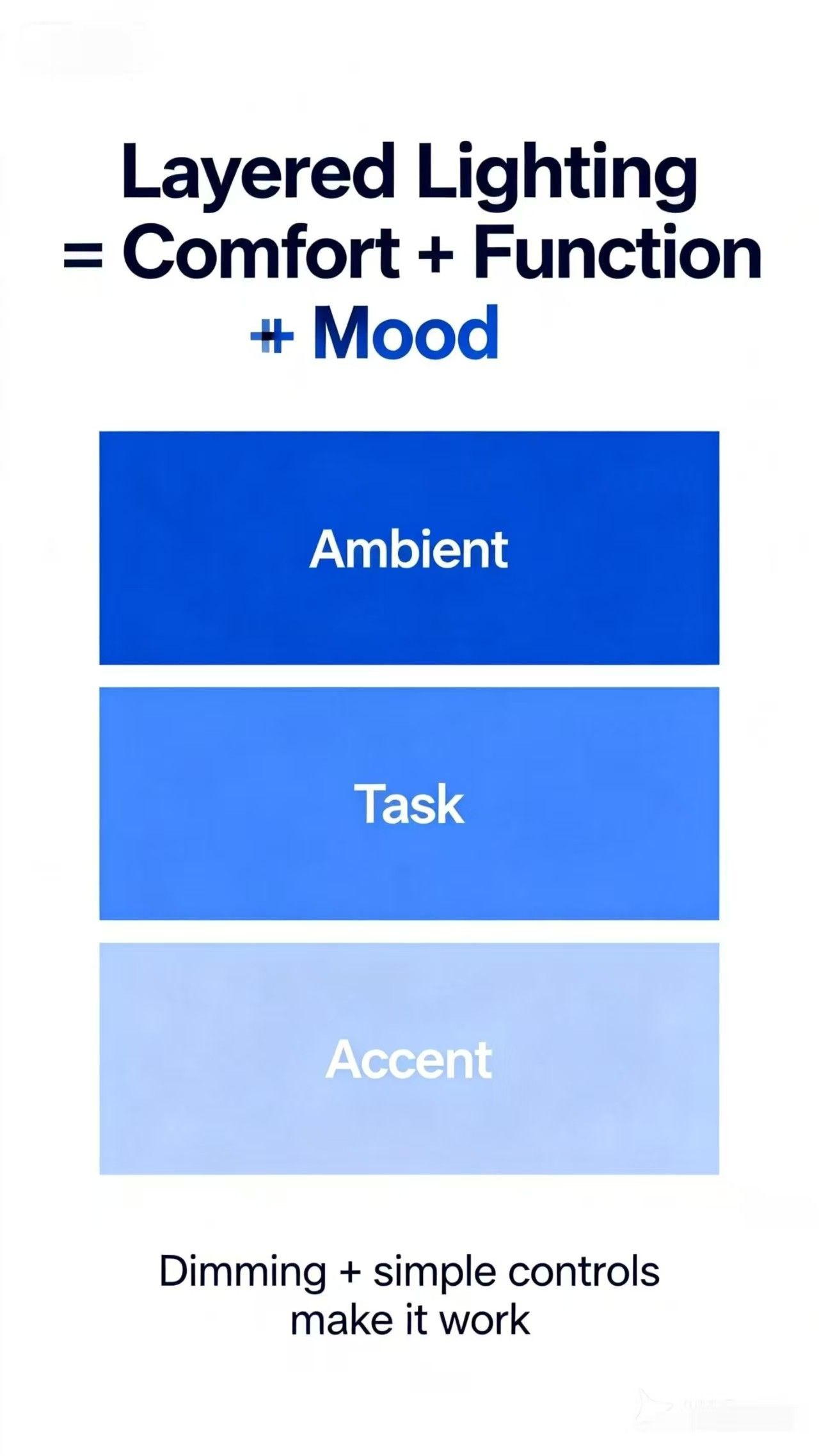 Layered Lighting 101: The Fastest Upgrade That Changes a Home