
Matching Lamp Styles to Your Room's Decor: A Room-by-Room Guide
Matching Lamp Styles to Your Room's Decor: A Room-by-Room Guide
Introduction: The Right Light for the Right Room
Every room in your home has a unique purpose, and its lighting should follow suit. A lamp is not a one-size-fits-all accessory; its style, size, and function should be tailored to the environment. This room-by-room guide will help you choose lamps that not only look beautiful but also support the activities and atmosphere you want to create in each space.
Part 1: The Bedroom: Creating a Serene Retreat
The bedroom demands lighting that promotes relaxation and tranquility, with options for different tasks.
Bedside Table Lamps: These are the workhorses of bedroom lighting. Opt for soft, fabric shades in warm tones to create a diffused, calming glow perfect for winding down. The style should complement your nightstands and bedroom set.
Height Matters: For perfect reading light and easy switch access, the bottom of the lampshade should be at eye level when you are sitting up in bed (typically 38-42 inches from the top of the mattress to the base of the lamp).
Alternative Options: Swing-arm wall sconces free up nightstand space, while a small, elegant accent lamp on a dresser provides a soft, ambient night light.
Part 2: The Living Room: Layering for Ambiance and Function
The living room is a multi-functional space, requiring a layered lighting plan that combines ambient, task, and accent light.
Statement Floor Lamps: An arc floor lamp is a stunning modern choice that curves over a seating area, providing excellent reading light without a side table. A tall, slender torchiere lamp uplights to create ambient light that makes the room feel larger.
Accent & End Table Lamps: These lamps add personality and pools of warm light to conversation areas. They should be in scale with the sofa and tables. This is where you can showcase your style with unique bases or colorful shades.
Cohesion is Key: While living room lamps don't have to be a perfect match, they should share a common design thread, such as a similar finish, color, or material, to create a cohesive look.
Part 3: The Home Office & Study: Prioritizing Task Performance
Here, lighting is all about function, reducing eye strain, and promoting focus.
The Adjustable Task Lamp: A high-quality desk lamp with an adjustable arm, head, and a stable base is non-negotiable. It should be positioned to light your work surface without casting shadows or creating glare on your computer screen.
Style with Substance: While function comes first, style isn't irrelevant. Choose a lamp with a clean, professional aesthetic that fits your office decor, whether it's a sleek metal architect's lamp or a more traditional banker's lamp.
Combining Light Sources: Never rely solely on an overhead light. The combination of ambient overhead light and a direct task lamp is the recipe for a comfortable, productive workspace.
Part 4: The Kitchen & Dining Area: Combining Utility and Drama
Lighting in these spaces serves both practical tasks and social gatherings.
Overhead & Pendant Lighting: Over the kitchen island or dining table, pendant lights are both practical and stylish. They provide crucial task lighting for food prep and eating while also serving as a key design element.
Scale and Spacing: For islands, a common rule is to hang 2-3 pendants, spaced about 30 inches apart and centered over the counter. The bottom of the pendant should hang 30-36 inches above the countertop.
Style Coordination: The finish of your pendant lights should coordinate with your cabinet hardware and faucet to create a unified look. In open-plan spaces, they should also conversation with the lighting in the adjacent living area.
Part 5: The Entryway & Hallways: The First Impression
These are passageways that benefit from a welcoming glow and visual interest.
Console Table Lamps: A lamp on an entryway console table instantly makes a home feel warm and inviting. Choose a lamp that is proportionate to the table and makes a style statement.
Durability: In a high-traffic area, ensure the lamp is stable and not easily knocked over.
Hallway Accents: A small, sturdy lamp on a hallway console table can break up a long, dark corridor and provide a spot of visual interest.
Conclusion: A Home in Perfect Light
By thoughtfully selecting lamps tailored to the specific needs and style of each room, you move beyond mere illumination to create a home that is functionally brilliant, emotionally resonant, and beautifully cohesive. Let your lamps be the final, perfect touch that makes every room in your house feel complete.
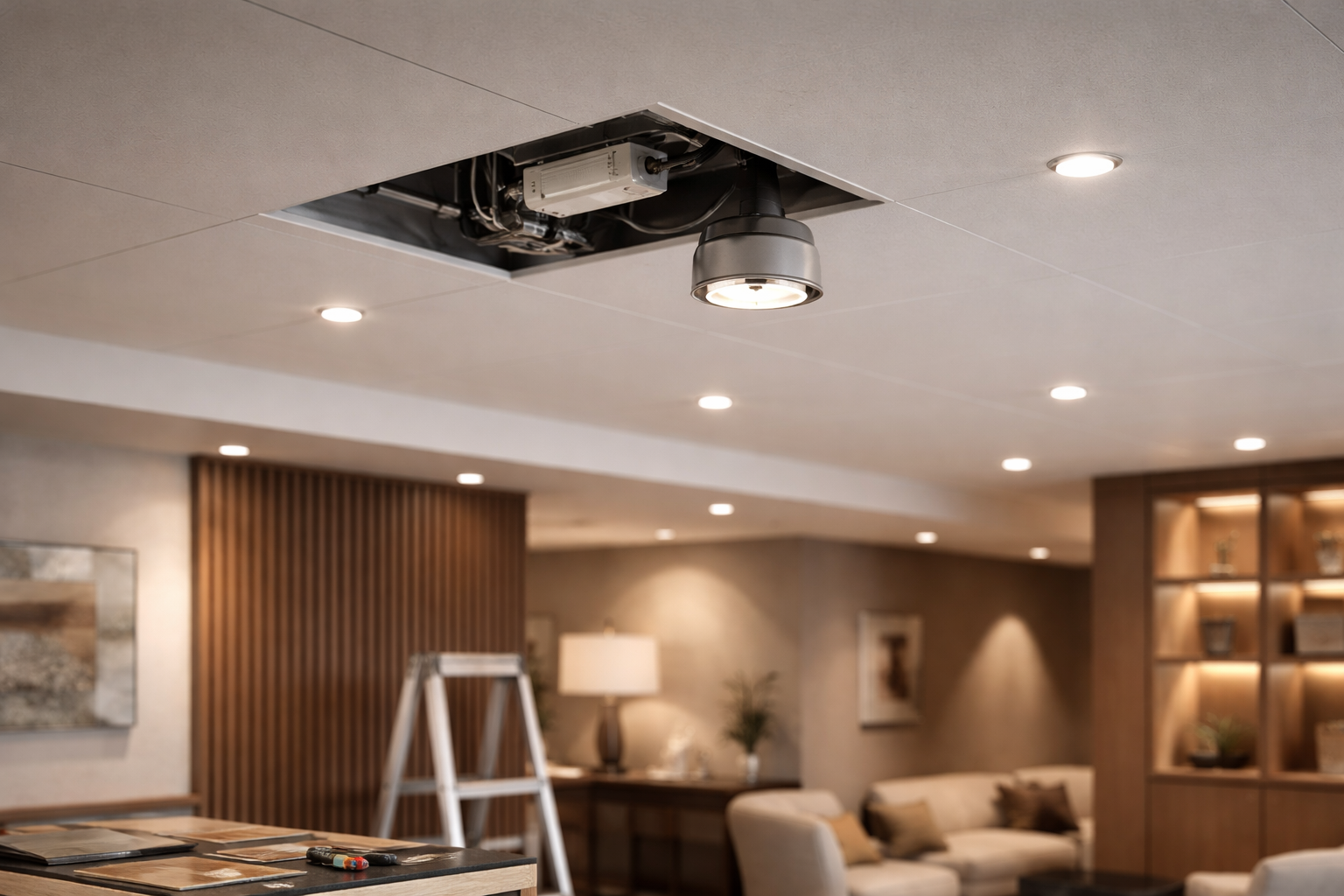 FM Lighting Replacements Without Guessing: Check Driver and Dimming Compatibility Before the Fixture Looks “Ready to Replace”
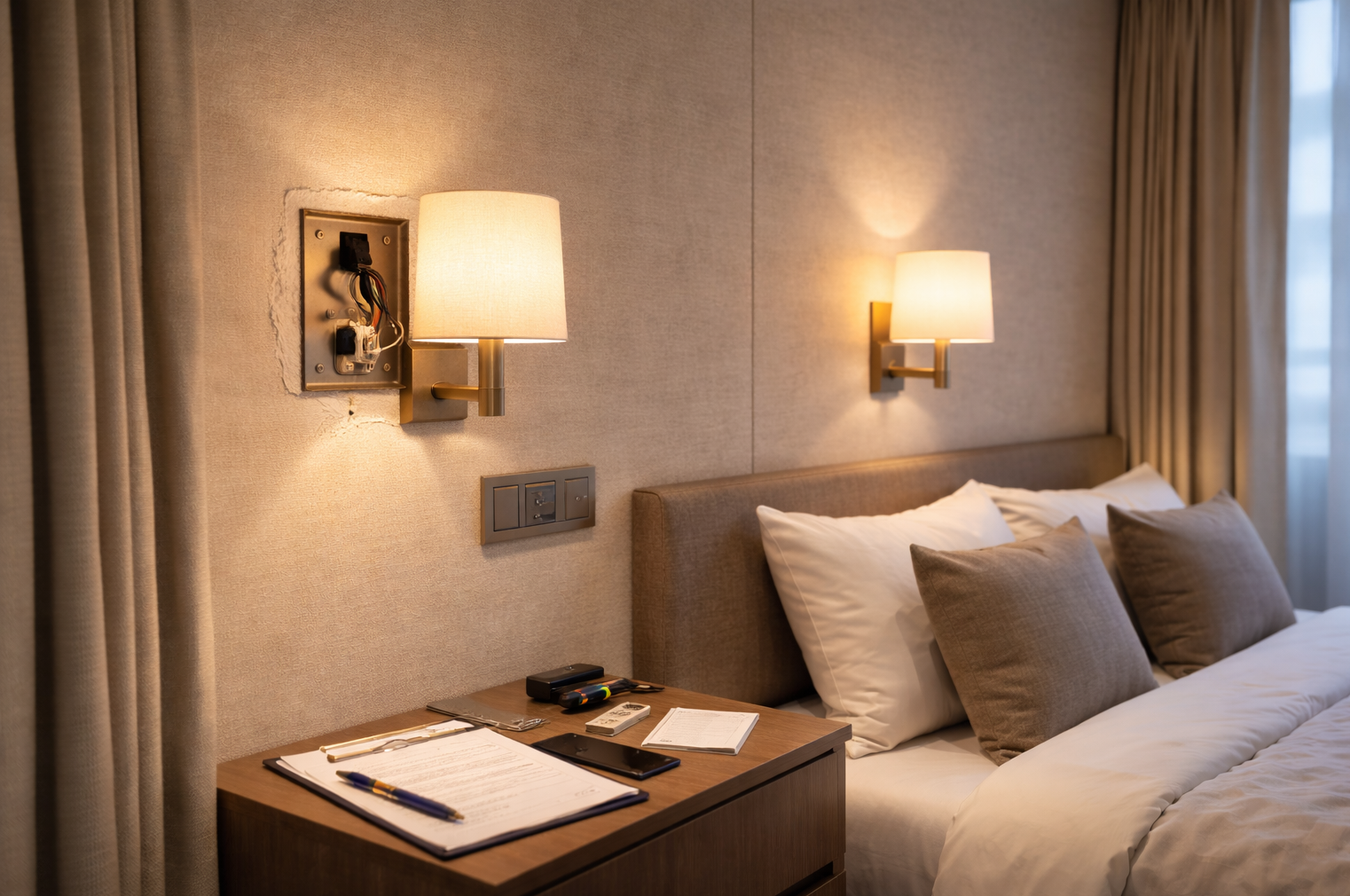 Hotel & Serviced Apartment Refresh: Check Circuits & Dimming Before Choosing Fixtures
 Why multi-stakeholder projects rush timelines but delay decisions
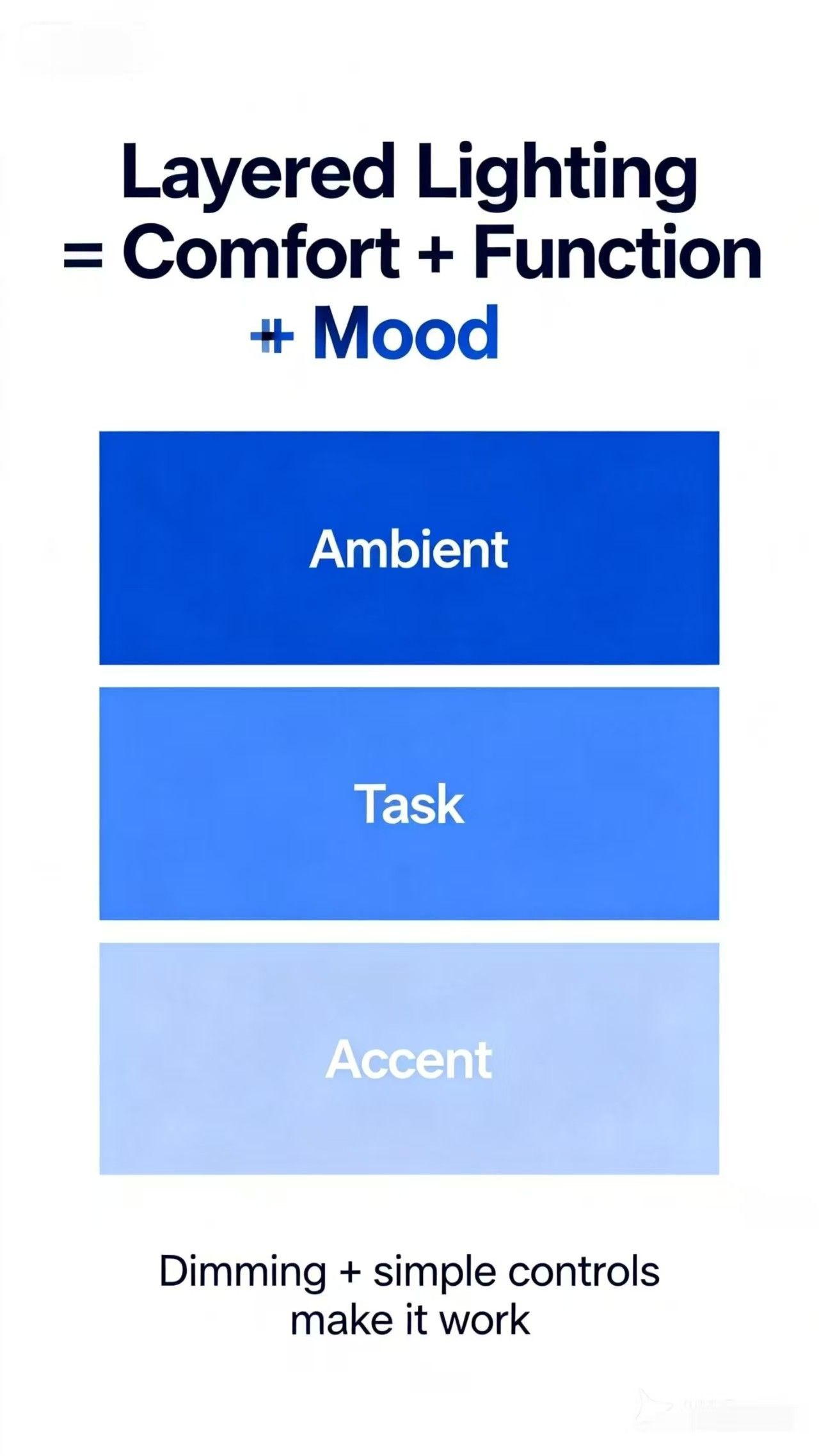 Layered Lighting 101: The Fastest Upgrade That Changes a Home