
Modern vs. Traditional Lighting: A Guide to Aesthetic Choices
Modern vs. Traditional Lighting: A Guide to Aesthetic Choices
Introduction: Defining Your Design Language
Lighting is one of the most powerful ways to express a home's design ethos. The fundamental divide between modern and traditional aesthetics offers two distinct visions of beauty and function. Understanding the core principles of each style is the first step in curating a lighting plan that feels intentional, cohesive, and authentically you.
Part 1: The Hallmarks of Traditional Lighting
Traditional lighting draws inspiration from classic European design periods (like Baroque, Victorian, and Neoclassical), emphasizing formality, detail, and history.
Ornate Detailing: Look for intricate carvings, scrollwork, fluting, and other decorative elements that showcase craftsmanship.
Classic Materials: Finishes are often warm and rich, including polished brass, bronze, and aged nickel. Shades frequently feature silks, linens, and pleated fabrics in neutral or warm tones.
Symmetry and Layering: Traditional designs are balanced and symmetrical. Lighting plans often involve multiple sources, such as a central chandelier complemented by matching sconces and table lamps, to create a layered, ambient glow.
Common Forms: Tiered crystal chandeliers, empire-style lamp shades, candelabra-style arms, and lanterns are quintessential traditional forms.
Part 2: The Principles of Modern Lighting
Modern (and its close relative, contemporary) lighting is rooted in the principles of the 20th-century Modernist movement: "form follows function." It prioritizes clean lines, simplicity, and innovative materials.
Clean Lines and Geometric Shapes: Think spheres, cylinders, cubes, and asymmetric forms. The design is often stripped down to its essential elements without unnecessary decoration.
Industrial and Innovative Materials: Modern fixtures proudly use polished chrome, brushed nickel, matte black, raw concrete, glass, and even plastic. The material itself is the decoration.
Focus on Function and Directness: The purpose of the light is clear. You'll see exposed bulbs, focused task lighting, and designs that celebrate how the fixture is constructed.
Common Forms: Track lighting, pendant clusters, arc floor lamps, and abstract sculptural chandeliers are hallmarks of the modern style.
Part 3: How to Choose the Right Style for Your Home
Your choice should be guided by your home's architecture and your personal decor.
Architectural Cues: A historic colonial or Victorian home often has natural partners in traditional lighting, which complements its detailed moldings and formal layout. A mid-century modern, loft, or new-build home provides a perfect canvas for modern fixtures that echo its clean lines and open spaces.
Furniture and Decor: Look at your existing furniture. Is it filled with antiques and rolled-arm sofas (Traditional), or sleek sectionals and modular pieces (Modern)? Your lighting should continue the narrative you've already started.
Creating a Focal Point: In a room with otherwise neutral decor, a single dramatic chandelier in either style can instantly define the space's entire aesthetic direction.
Part 4: Mastering the Transitional Blend
You don't have to choose just one. The transitional style is a popular and sophisticated hybrid that blends elements from both worlds.
The Balanced Approach: Transitional lighting might take the clean, simple shape of a modern drum chandelier but execute it in a traditional material like brushed brass with a linen shade.
How to Mix Successfully:
Anchor with a Key Fixture: Choose one statement piece (e.g., a modern linear chandelier) as your anchor.
Complement with the Other Style: Use more subdued traditional table lamps or sconces to add warmth and softness.
Unify with Finish: Using a consistent finish throughout the space (e.g., all matte black or all brushed gold) can help visually connect fixtures of different styles.
The Goal: The result is a timeless, curated look that feels both current and comfortable, without being slavishly tied to one era.
Conclusion: Lighting as a Personal Statement
Whether you are drawn to the storied elegance of traditional lighting or the bold simplicity of the modern, your choice is a declaration of your personal style. By understanding the rules of each aesthetic, you can confidently select lighting that enhances your home's architecture and reflects your taste. And remember, in the world of design, the most beautiful spaces often live in the thoughtful balance between the two.
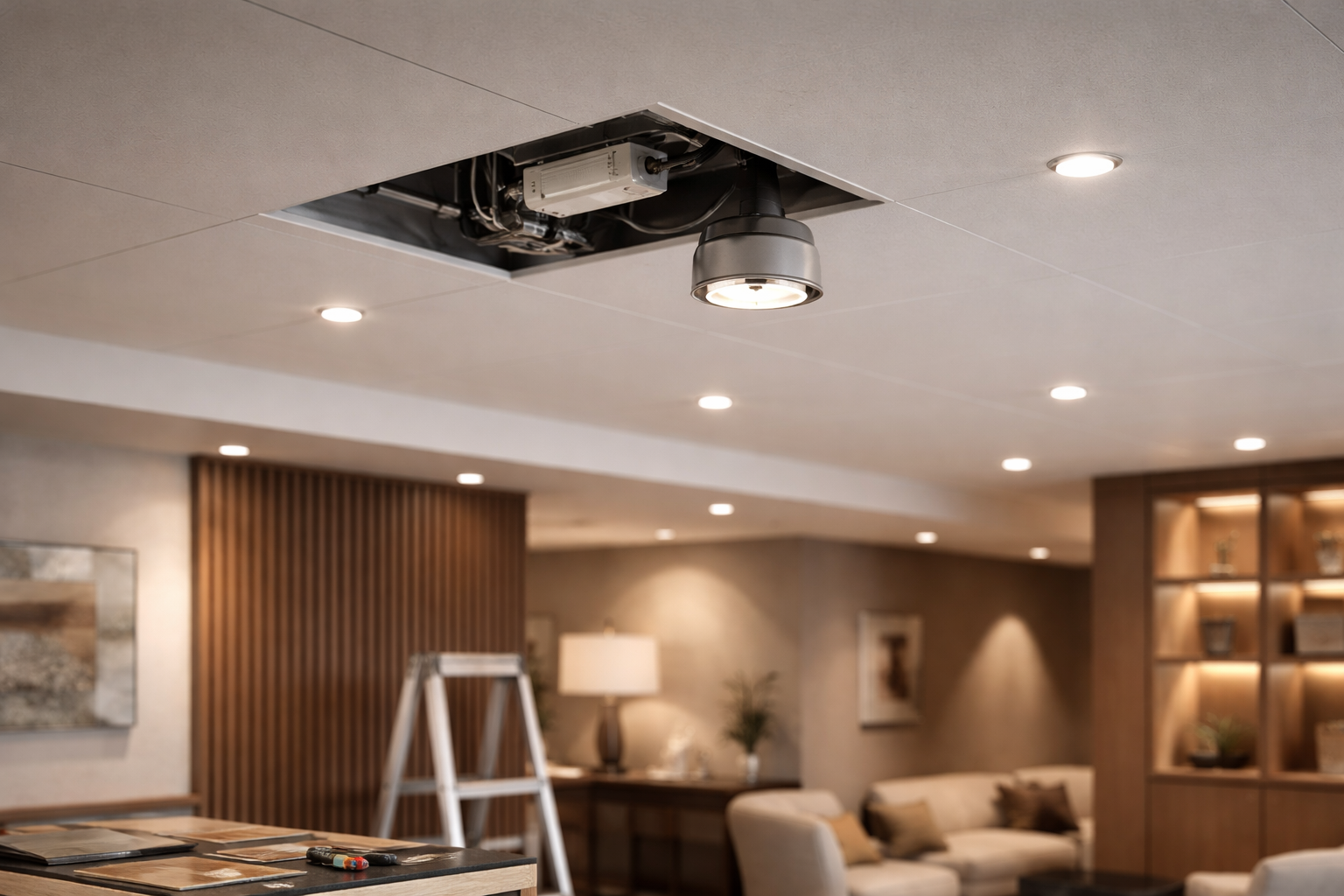 FM Lighting Replacements Without Guessing: Check Driver and Dimming Compatibility Before the Fixture Looks “Ready to Replace”
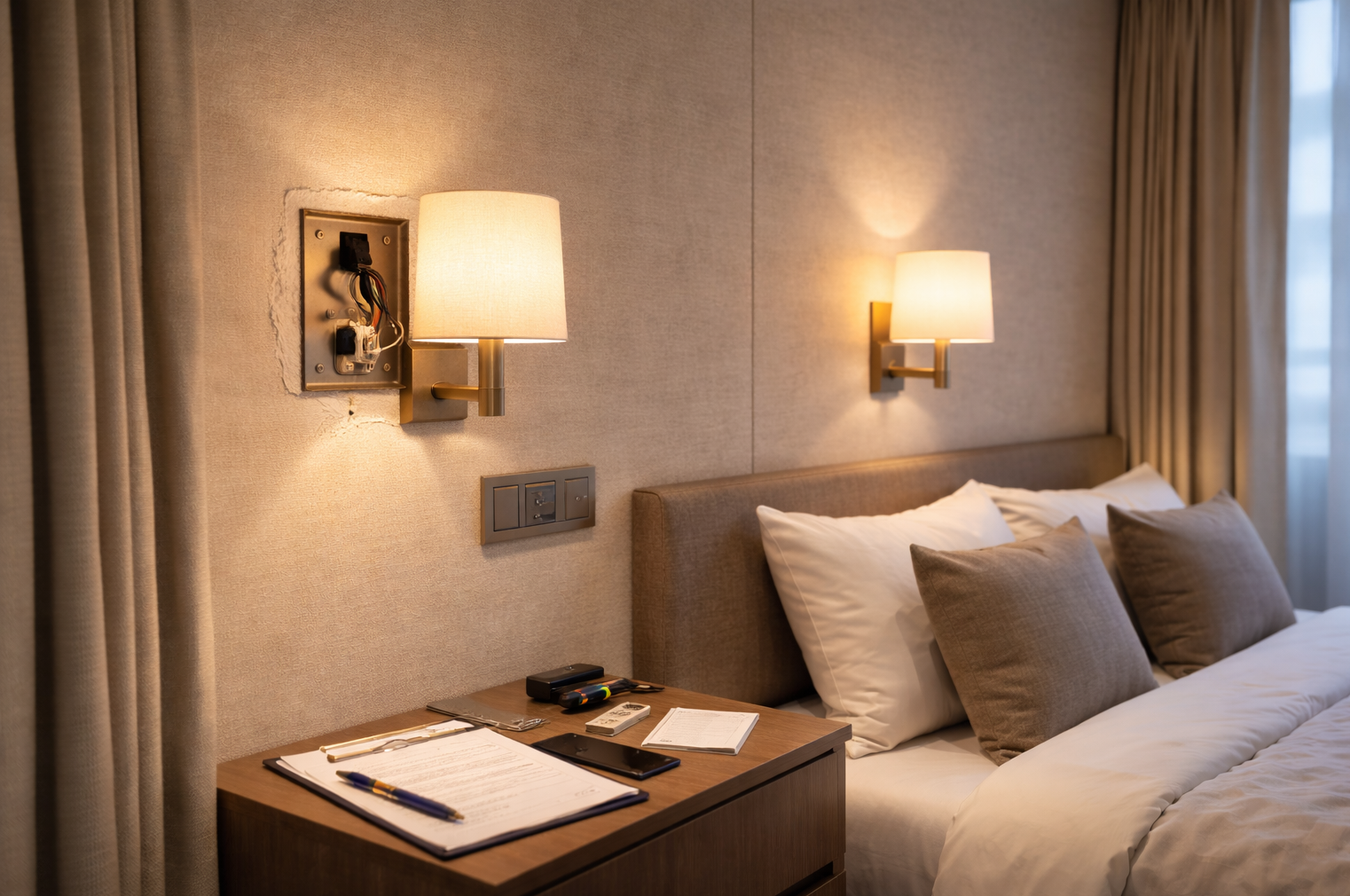 Hotel & Serviced Apartment Refresh: Check Circuits & Dimming Before Choosing Fixtures
 Why multi-stakeholder projects rush timelines but delay decisions
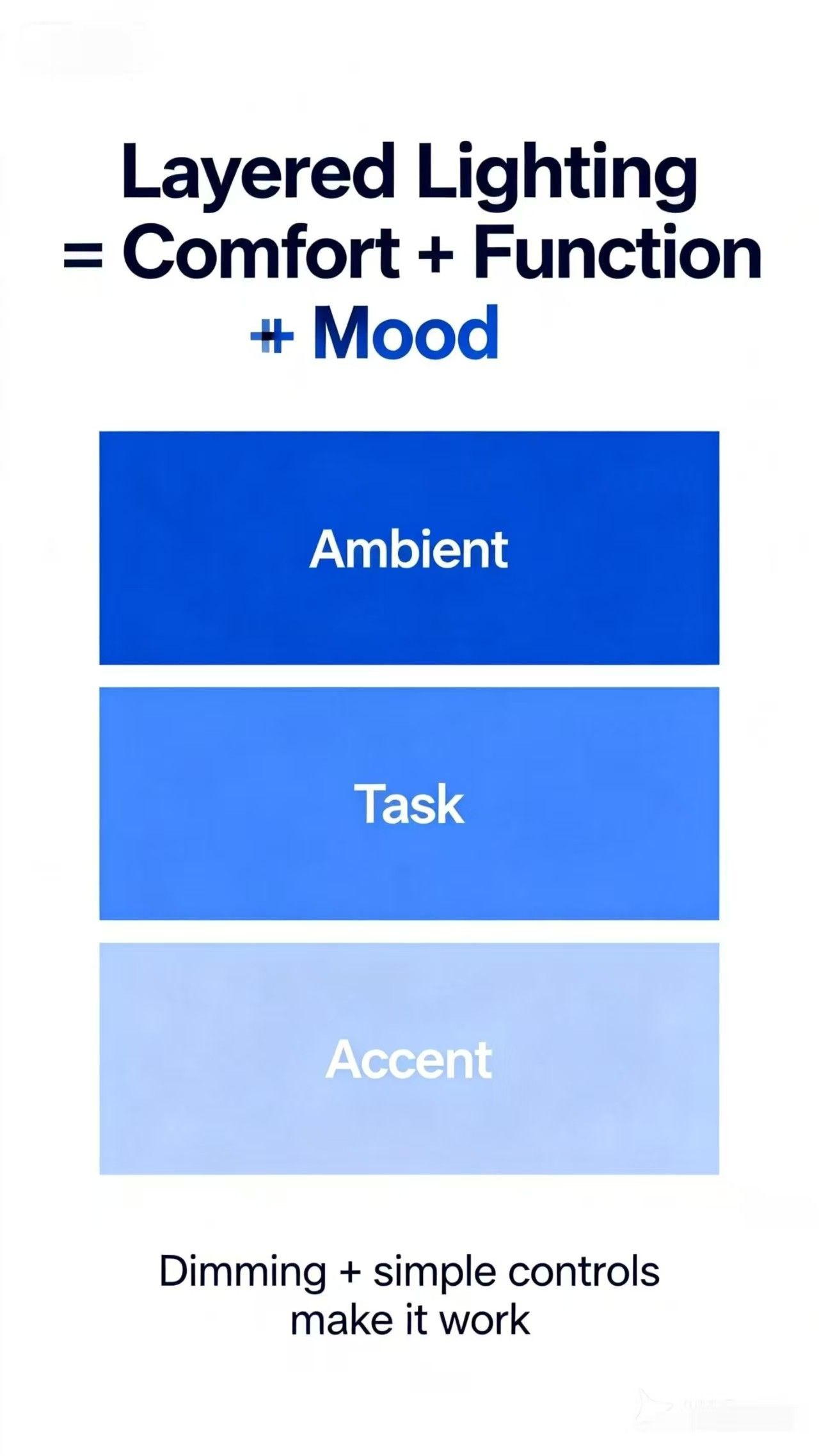 Layered Lighting 101: The Fastest Upgrade That Changes a Home