
The Art of Statement Lighting: Choosing a Chandelier as a Focal Point
The Art of Statement Lighting: Choosing a Chandelier as a Focal Point
Introduction: The Jewel of the Room
A chandelier has the unique power to define the entire character of a space. Acting as the crowning jewel of a room, a well-chosen statement fixture provides not only essential illumination but also artistic expression, setting the tone for your decor and captivating attention the moment one enters. This guide will help you navigate the selection process to find a chandelier that commands attention for all the right reasons.
Part 1: Making a Grand Entrance: The Entryway Chandelier
Your entryway is the first impression of your home, and the chandelier sets the stage.
Scale and Impact: Choose a fixture that is proportionate to the volume of the space, not just the floor area. A two-story foyer can accommodate a dramatic, multi-tiered chandelier.
Hanging Height: The bottom of the chandelier should clear the front door by at least 7 feet. In a foyer with an upper floor balcony, it should be centered in the open space and visible from above.
Style Declaration: This is the place to make a bold stylistic statement that hints at the decor found throughout the rest of your home.
Part 2: The Heart of the Home: The Dining Room Chandelier
The dining room chandelier is the classic centerpiece, fostering intimacy and conversation.
Sizing it Right: A good rule of thumb is to choose a chandelier with a diameter that is about half to two-thirds the width of your dining table. This ensures it feels connected to the table below without overwhelming it.
Perfect Placement: The bottom of the chandelier should hang 30 to 36 inches above the tabletop. This positions it perfectly to illuminate the surface while remaining out of the sightline of seated guests, creating a warm, enclosed ambiance.
Shape Coordination: A rectangular table pairs well with a linear chandelier or a series of pendants. A round or square table is best complemented by a round or square fixture.
Part 3: Mastering Scale and Proportion
A statement piece must be correctly scaled to the room to feel intentional, not accidental.
The Diameter Formula: A simple calculation for finding the ideal diameter: Add the room's length and width (in feet). The sum (in inches) is a good target for the chandelier's diameter. For example, a 12' x 14' room suggests a 26-inch diameter fixture.
Considering Ceiling Height: For rooms with standard 8-foot ceilings, maintain a minimum 7-foot clearance from the floor. In rooms with higher ceilings, the chandelier can be larger and hung lower to fill the vertical space dramatically.
Part 4: Exploring Styles and Materials
The aesthetic of your chandelier defines its character.
The Classic Crystal Chandelier: Timeless and luxurious, a crystal chandelier refracts light into dazzling rainbows. Modern interpretations offer cleaner lines for a updated look.
The Modern & Linear Chandelier: Featuring geometric metals, sculptural forms, and minimalist silhouettes, these fixtures make a bold, contemporary statement.
The Rustic & Organic Chandelier: Using materials like wrought iron, wood, and antlers, these designs bring warmth and a natural, textural element to a space.
The Transitional Chandelier: This style blends traditional and contemporary elements, offering a classic shape in a modern finish (like a brass drum chandelier), providing a sophisticated and versatile look.
Conclusion: A Centerpiece that Connects
Choosing a statement chandelier is an investment in artistry and ambiance. By meticulously considering the room's function, scale, and architectural style, you can select a fixture that does more than just light the space—it tells a story, evokes emotion, and becomes an unforgettable centerpiece that ties your entire design scheme together. Let your chandelier be a reflection of your personal style and a beacon of welcome in your home.
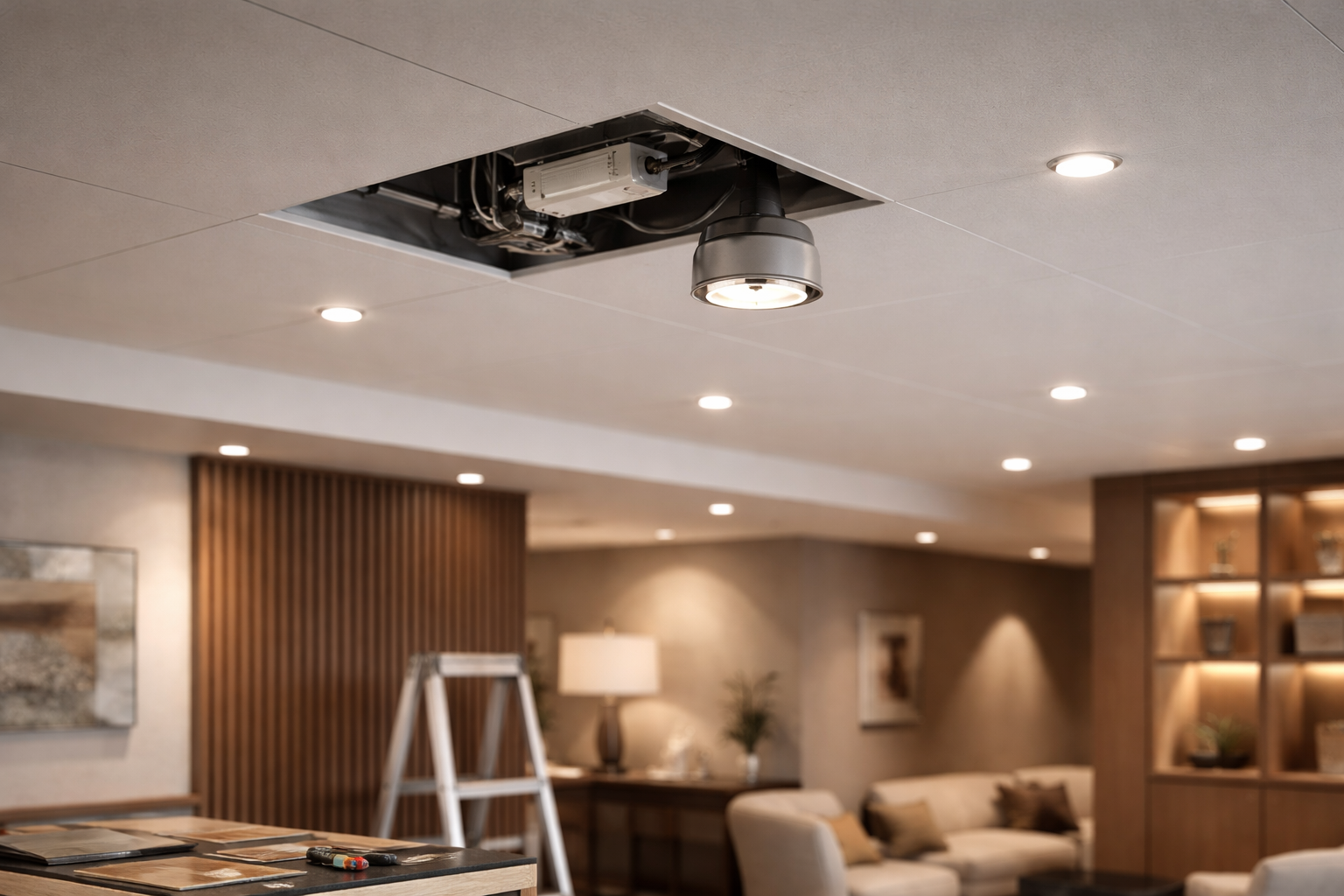 FM Lighting Replacements Without Guessing: Check Driver and Dimming Compatibility Before the Fixture Looks “Ready to Replace”
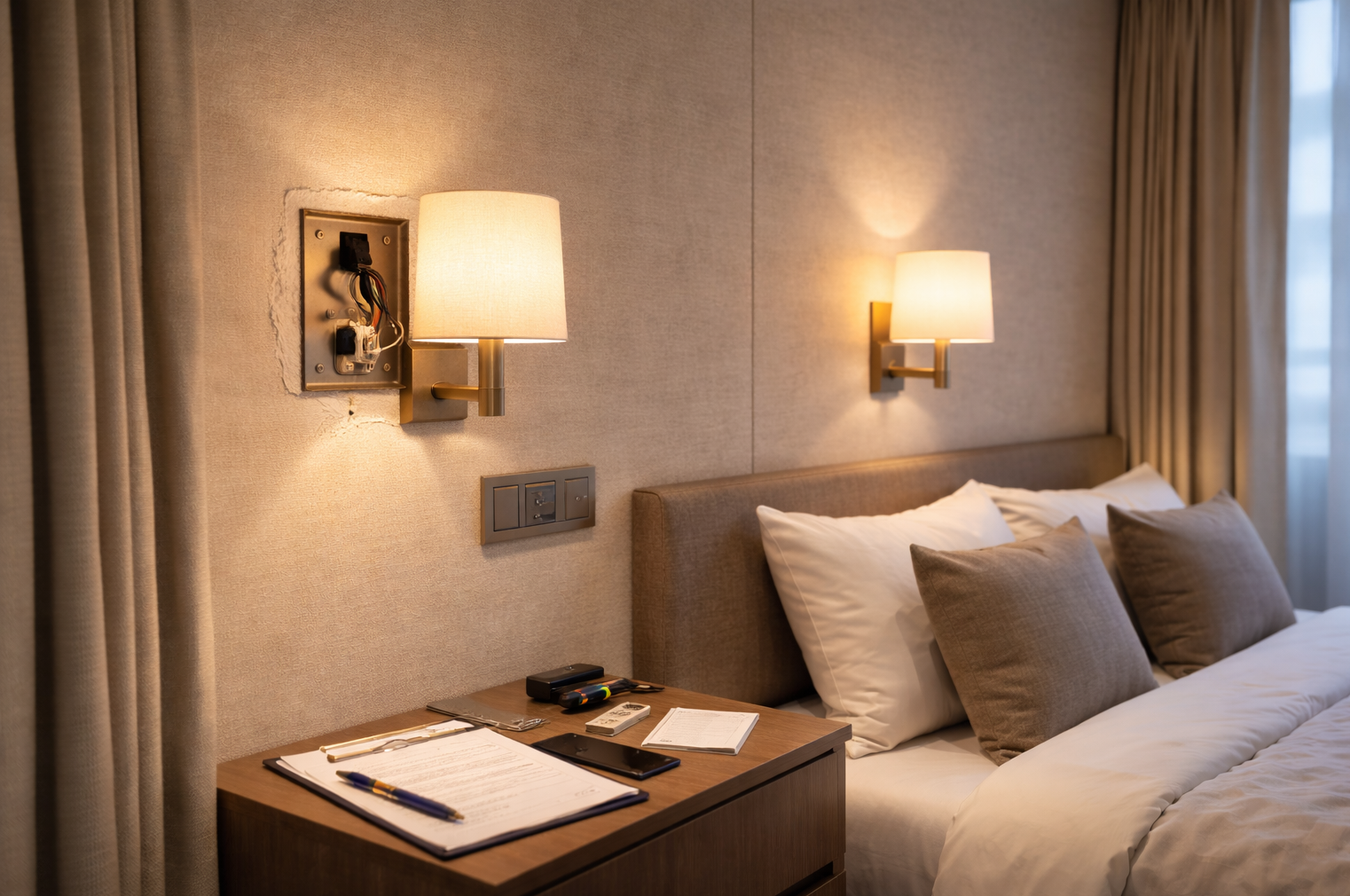 Hotel & Serviced Apartment Refresh: Check Circuits & Dimming Before Choosing Fixtures
 Why multi-stakeholder projects rush timelines but delay decisions
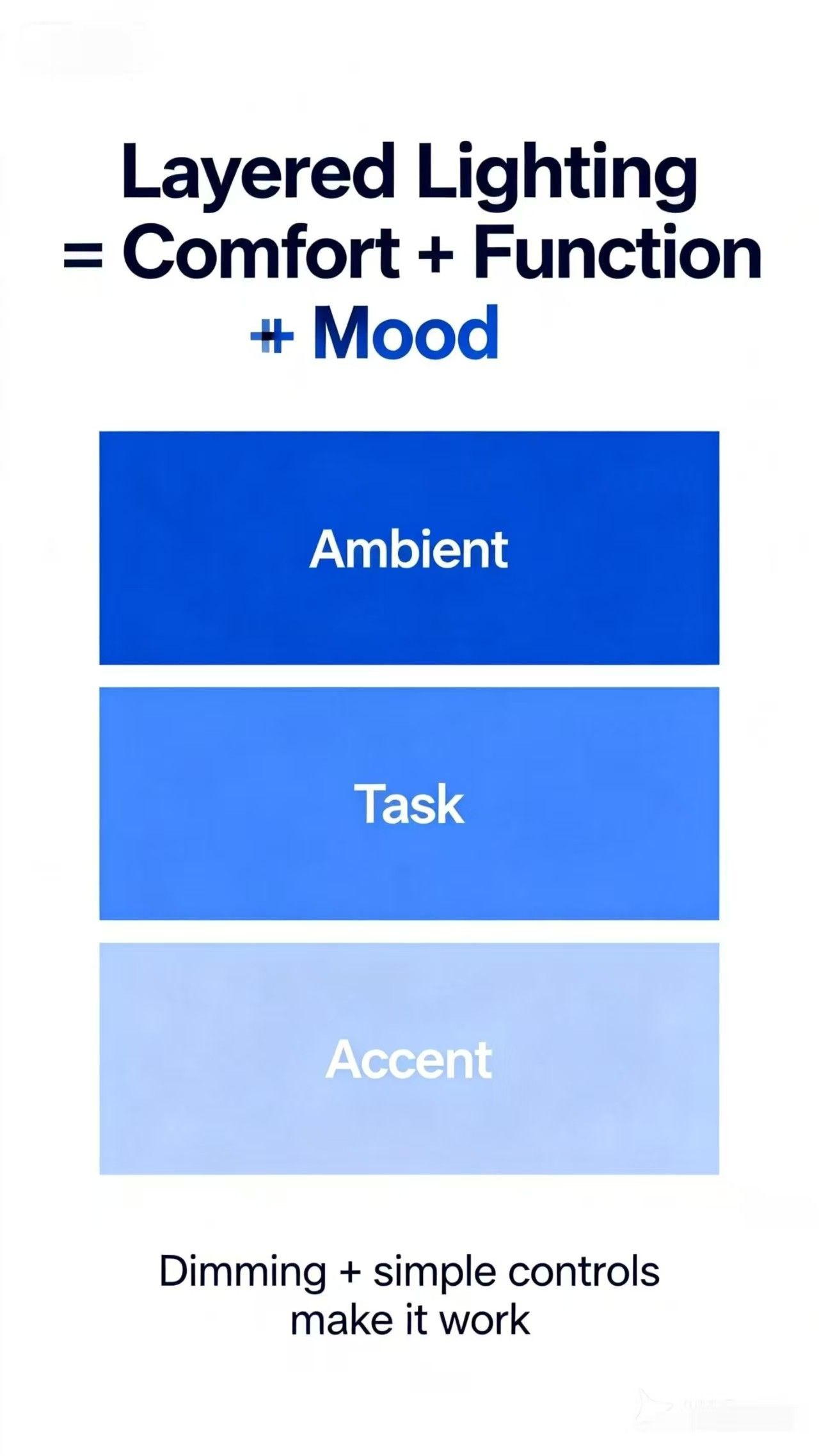 Layered Lighting 101: The Fastest Upgrade That Changes a Home