
Choosing the Perfect Lamp Shade: A Style and Sizing Guide
Choosing the Perfect Lamp Shade: A Style and Sizing Guide
Introduction: More Than Just a Diffuser
A lamp shade is a crucial finishing touch that serves two key purposes: it directs light for optimal functionality and defines the stylistic character of the lamp itself. The right shade can elevate a simple base into a stunning statement piece, while the wrong one can make even the most expensive lamp look awkward and out of place. This guide will walk you through the essentials of style, proportion, and material to help you master the art of selecting the perfect lamp shade.
Part 1: Understanding Shade Styles and Shapes
The shape of your shade dramatically affects the lamp's overall look.
The Empire Shade: This is the most classic and common shape, characterized by its straight, sloped sides. It's versatile and works well with both traditional and contemporary bases. Its design efficiently directs light downward, making it ideal for task lighting.
The Drum Shade: Featuring vertical sides and a modern profile, the drum shade offers a broad, open top and bottom that emits light both upward and downward. This creates a soft, ambient glow and suits clean-lined, modern, and mid-century modern decor.
The Coolie Shade: With its broadly flared shape, this shade evokes an Asian-inspired aesthetic. It casts a wide pool of light and works beautifully with transitional and exotic interior styles.
The Oval & Square Shades: These shapes are perfect for complementing corresponding base shapes (e.g., an oval shade on an oval vase). They offer a more tailored and formal look.
Part 2: The Golden Rules of Sizing and Proportion
Getting the proportions right is the most critical step.
Height Rule: The shade should be approximately 2/3 the height of the base for a table lamp. This creates a balanced and harmonious silhouette.
Width Rule: The shade should be roughly twice the width of the base at its widest point. This ensures visual stability.
Bottom-Diameter Rule: A simple check: the bottom of the shade should be at least half an inch wider than the widest part of the base on both sides to prevent the lamp from looking top-heavy.
Overall Scale: Consider the lamp's final placement. A lamp on a large sideboard or console table can handle a larger shade, while a lamp on a small bedside table needs to be proportionate to the table's surface.
Part 3: Materials, Liners, and Trims
The material of your shade affects both the quality of light and the lamp's aesthetic.
Fabric Shades: Materials like silk, linen, and cotton offer a warm, soft glow and a textured, high-end feel. They are ideal for living rooms and bedrooms where ambiance is key.
Paper & Parchment Shades: These provide a crisp, modern look and cast a sharp, clean light. They are a hallmark of Scandinavian and Japanese design styles.
Metal & Glass Shades: Often used in task lamps and industrial designs, these materials offer very focused light and a sleek, utilitarian aesthetic.
The Liner: The color of the shade's interior lining matters. A white or cream liner reflects more light, making the room brighter. A black or dark liner concentrates the light downward, creating a more intimate, focused pool of light and reducing glare.
Conclusion: The Final Touch
Choosing a lamp shade is an exercise in balance and style. By understanding the foundational rules of shape, scale, and material, you can confidently select a shade that perfectly complements your lamp base, enhances your room's lighting, and expresses your personal design sensibility. Don't be afraid to experiment with unique trims and unconventional pairings once you've mastered the basics—your lamp shade is the perfect accessory to showcase your creativity.
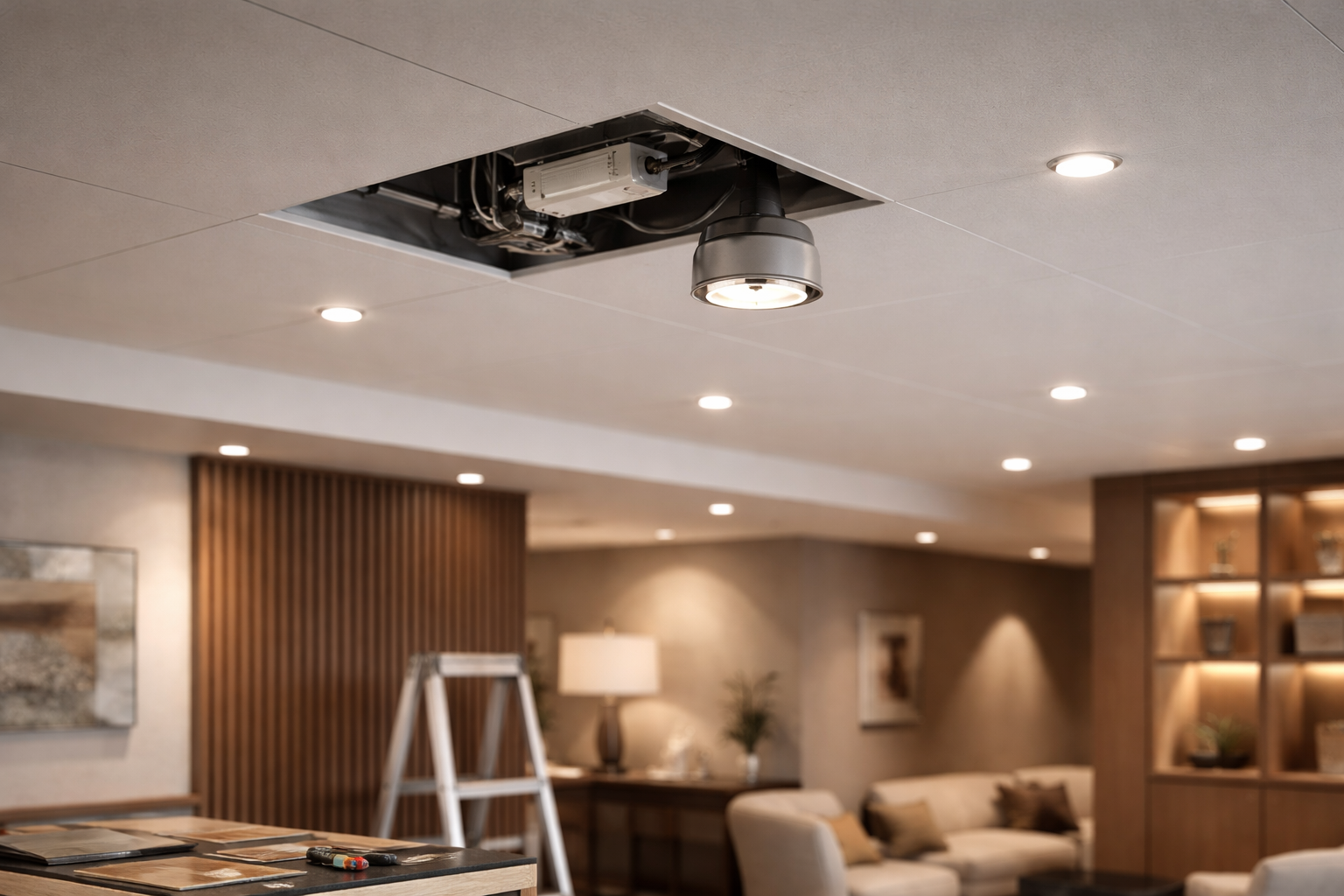 FM Lighting Replacements Without Guessing: Check Driver and Dimming Compatibility Before the Fixture Looks “Ready to Replace”
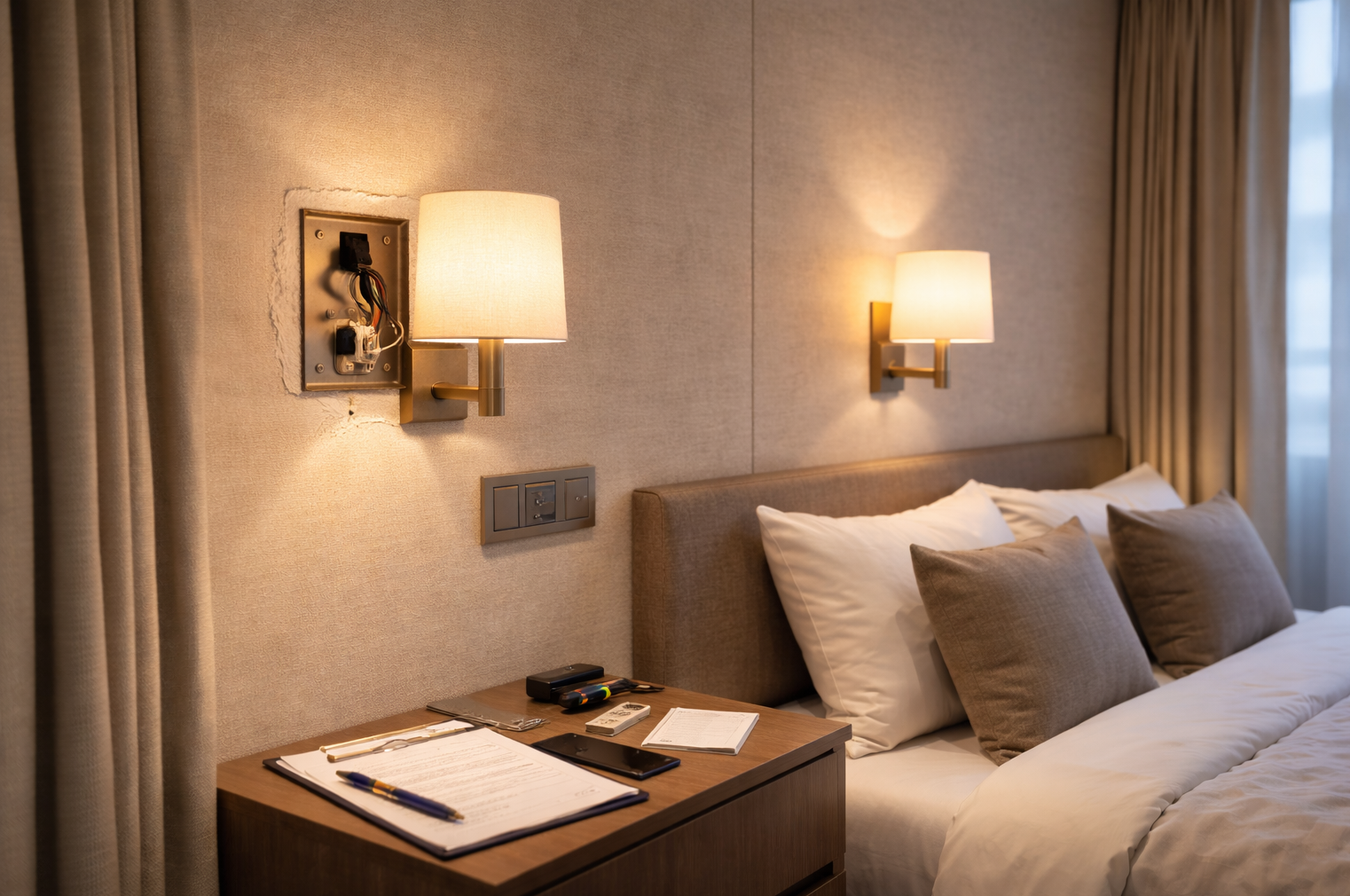 Hotel & Serviced Apartment Refresh: Check Circuits & Dimming Before Choosing Fixtures
 Why multi-stakeholder projects rush timelines but delay decisions
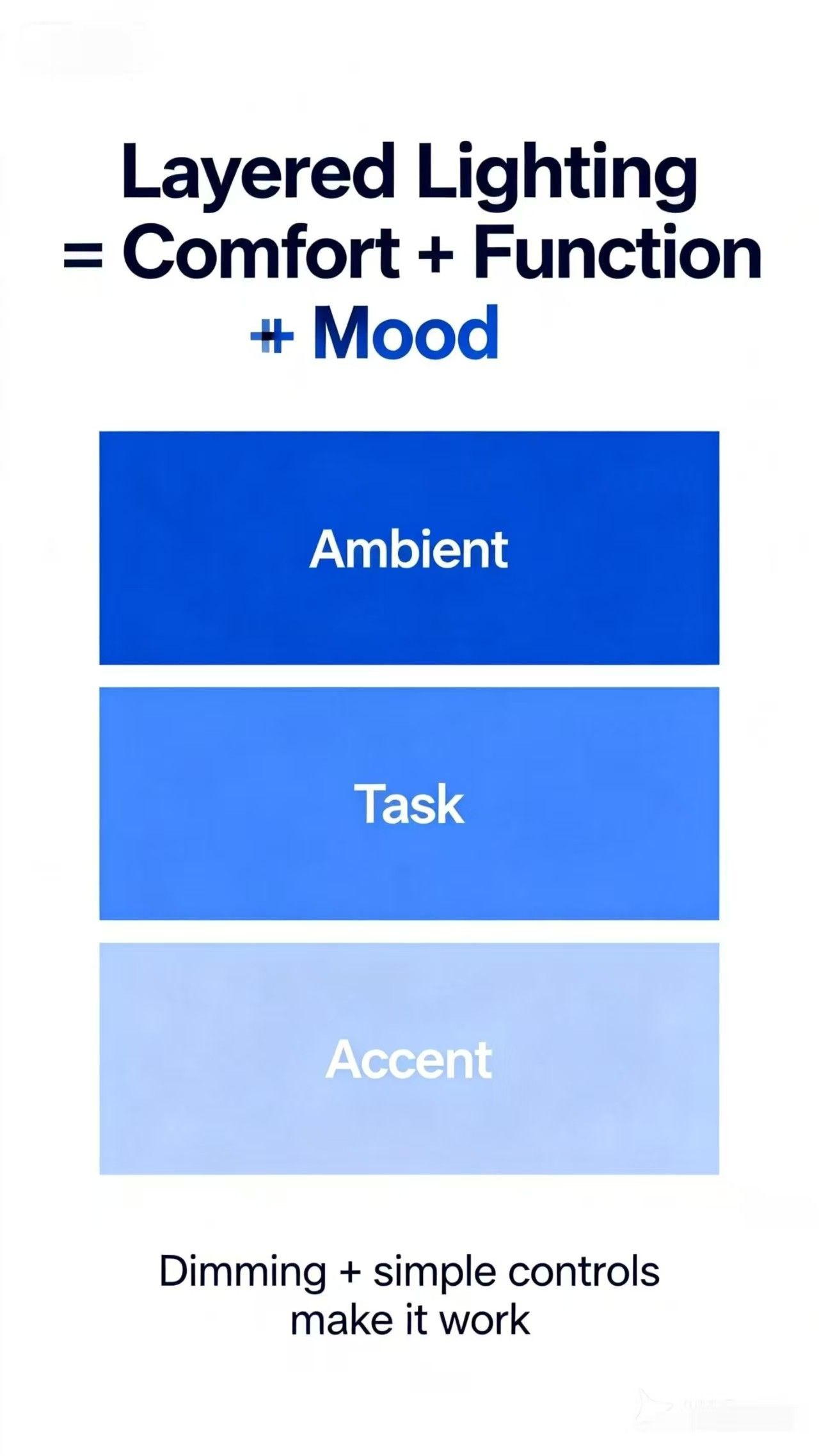 Layered Lighting 101: The Fastest Upgrade That Changes a Home