
Understanding IP Ratings: What IP65, IP66 & IP67 Truly Mean for Your Lighting
Selecting the right outdoor lighting goes beyond style and lumens; it's about durability. The IP rating on a light fixture is your key to understanding its ability to withstand the elements. But with codes like IP65, IP66, and IP67, how do you choose? This guide cuts through the confusion.
What is an IP Rating?
IP stands for "Ingress Protection." It's a two-digit code defined by the International Electrotechnical Commission (IEC):
First Digit (Solid Protection): Ranges from 0-6, indicating protection against dust and solid objects.
Second Digit (Liquid Protection): Ranges from 0-9, indicating protection against moisture and water.
The Dust Truth: The First Digit '6'
The good news is that IP65, IP66, and IP67 all share a first digit of '6'. This means all three offer the highest level of dust protection, ensuring no harmful dust can enter the enclosure. This is crucial for longevity in dusty environments.
The Water Resistance Breakdown: The Second Digit '5', '6', & '7'
This is where the critical differences lie.
1. IP65: "Jet Proof"
Protection Level: Protected against water jets from a 6.3mm nozzle from any direction.
In Simple Terms: It can handle heavy rain, splashing, and being hosed down. It's perfect for most standard outdoor applications where the light won't be fully submerged or subjected to direct, high-pressure cleaning.
Ask Yourself: Will this light be exposed to rain and weather, but not direct, powerful water jets or flooding?
2. IP66: "Powerful Jet Proof"
Protection Level: Protected against powerful water jets from a 12.5mm nozzle from any direction.
In Simple Terms: A step up from IP65, it can withstand sea spray, storm conditions, and aggressive pressure washing. It's ideal for harsh coastal environments or industrial settings where fixtures are regularly cleaned with high-pressure hoses.
Ask Yourself: Does this light need to survive extreme weather or intense cleaning processes?
3. IP67: "Immersion Proof"
Protection Level: Protected against the effects of temporary immersion in water between 15cm and 1 meter for up to 30 minutes.
In Simple Terms: This fixture can survive an accidental dunking. It's designed for applications where temporary flooding is a possibility, such as in-ground landscape lights, or for fixtures that are meant to be submerged, like pond or pool lights.
Important Note: IP67 is not for continuous submersion or high-pressure jets. It's for temporary immersion.
Ask Yourself: Could this light be partially or fully submerged in water for a short period?
Conclusion: Making the Right Choice for Your Project
If Your Project Requires:
1,Standard weatherproofing (rain, snow) IP65
2,Resistance to harsh conditions (coastal, industrial washing) IP66
3,Survival in temporarily flooded areas or shallow water features IP67
Still unsure? The longevity of your lighting investment depends on this critical choice. Browse our curated collections of [IP65 Rated Lights], [IP66 Rated Lights], and [IP67 Rated Lights] to find your perfect match, or reach out to our lighting specialists for personalized advice.
 FM Lighting Replacements Without Guessing: Check Driver and Dimming Compatibility Before the Fixture Looks “Ready to Replace”
 Hotel & Serviced Apartment Refresh: Check Circuits & Dimming Before Choosing Fixtures
 Why multi-stakeholder projects rush timelines but delay decisions
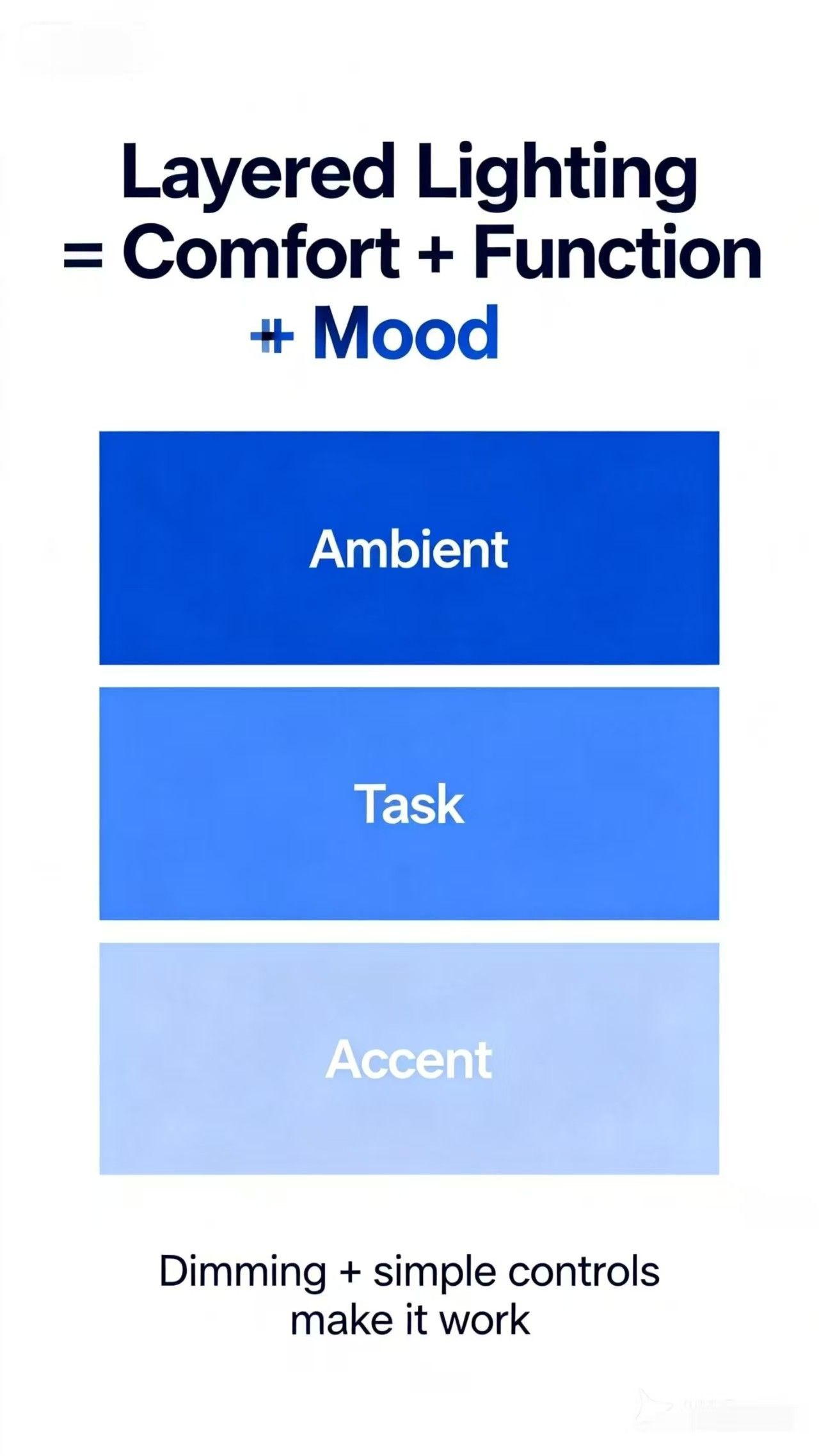 Layered Lighting 101: The Fastest Upgrade That Changes a Home