
What is a Bollard Light? The Complete Guide to Style and Function
What is a Bollard Light? Illuminating Style and Safety Outdoors
An often-underestimated hero of landscape lighting, the bollard light is a versatile, sturdy, and stylish solution for countless outdoor needs. But what exactly is it, and how can it transform your property?
Defining the Bollard: More Than Just a Post
A bollard light is a short, ground-mounted post fixture, typically ranging from 18 inches to 48 inches in height. Historically derived from maritime mooring posts, its modern incarnation is designed to provide soft, widespread ambient light without the glare of taller street-style lamps. Its core functions are twofold: safety (clearly defining pathways, steps, and driveways) and ambiance (adding character and warmth to gardens, patios, and entrances).
A Style for Every Theme: From Classic to Cutting-Edge
Bollards are not one-size-fits-all. Their design is a key part of your landscape’s aesthetic.
Modern & Contemporary: Featuring clean lines, geometric shapes (cylinders, cubes), and materials like brushed stainless steel, corten steel, or minimalist concrete. They often use integrated LED technology for a seamless look.
Traditional & Colonial: Echoing classic lantern designs with decorative metalwork, clear or frosted glass panels, and finishes like black, bronze, or antique brass. They evoke a timeless, welcoming feel.
Rustic & Natural: Incorporating materials like textured stone, weathered wood veneers, or copper that develops a patina, blending organically into garden settings.
Key Residential Applications
Pathway & Walkway Lighting: The most common use. Lined along a garden path, they create a rhythmic, inviting guide that prevents trips and falls.
Driveway & Perimeter Lighting: Defining the edge of a driveway or property line, they enhance security and curb appeal.
Garden & Landscape Accenting: Used to softly uplight shrubbery, frame a garden bed, or mark a transition between different areas of the yard.
Deck & Patio Perimeter: Low-level bollards can outline a seating area, providing just enough light for socializing without attracting insects like overhead lights might.
Choosing the Right Bollard: A Quick Checklist
Height & Scale: 24”-36” is standard for paths. Choose a height proportional to its surroundings.
Light Output & Spread: Look for fixtures with diffused or shielded lenses to prevent glare. Opt for warm white LEDs (2700K-3000K) for a cozy feel.
Durability: Ensure a high IP rating (IP65 minimum) for weather resistance and robust construction (aluminum, stainless steel, heavy-duty polymer).
Bollard lights are the perfect blend of form and function. By understanding their styles and applications, you can select fixtures that not only light your way but also significantly enhance the nighttime beauty and security of your home.
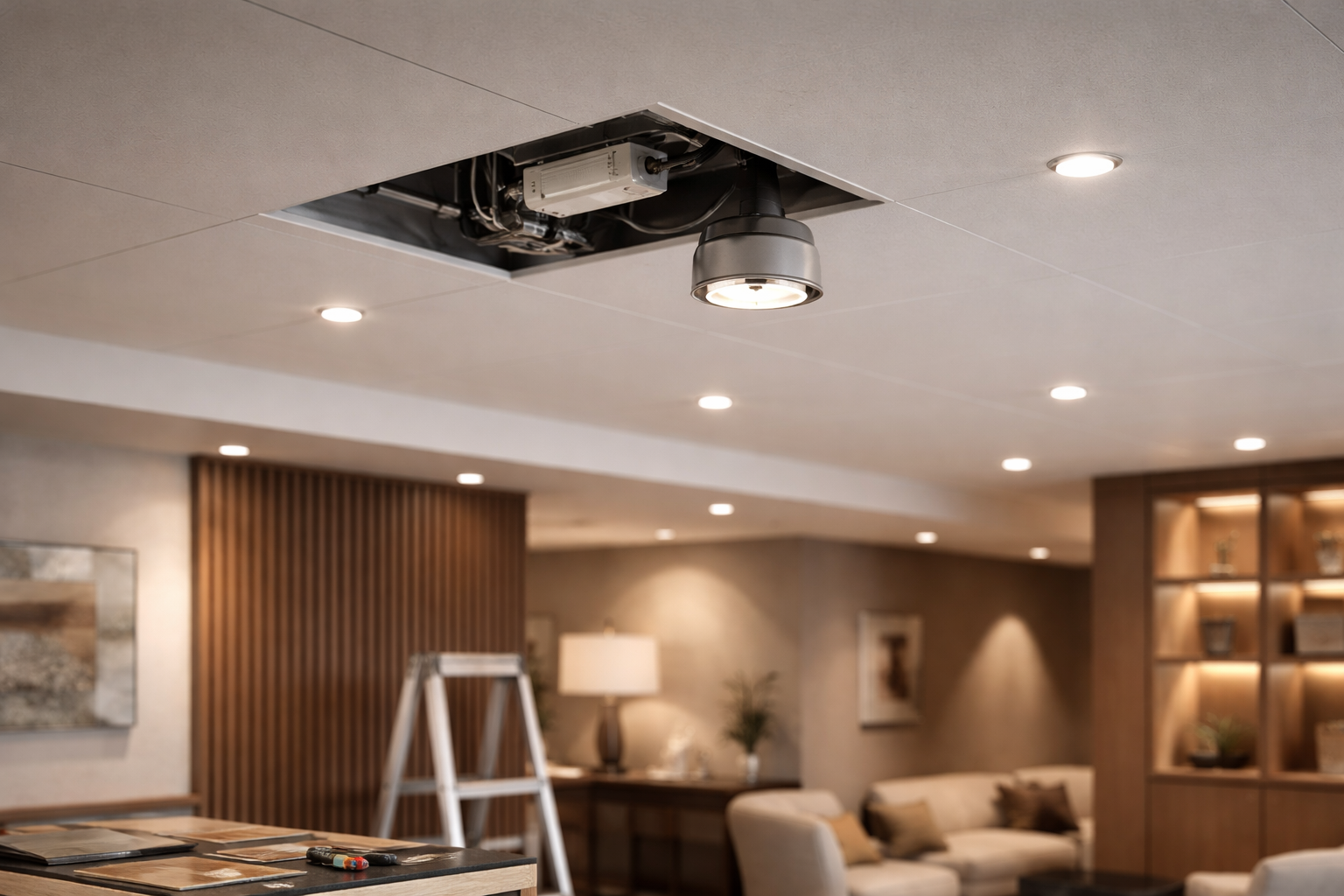 FM Lighting Replacements Without Guessing: Check Driver and Dimming Compatibility Before the Fixture Looks “Ready to Replace”
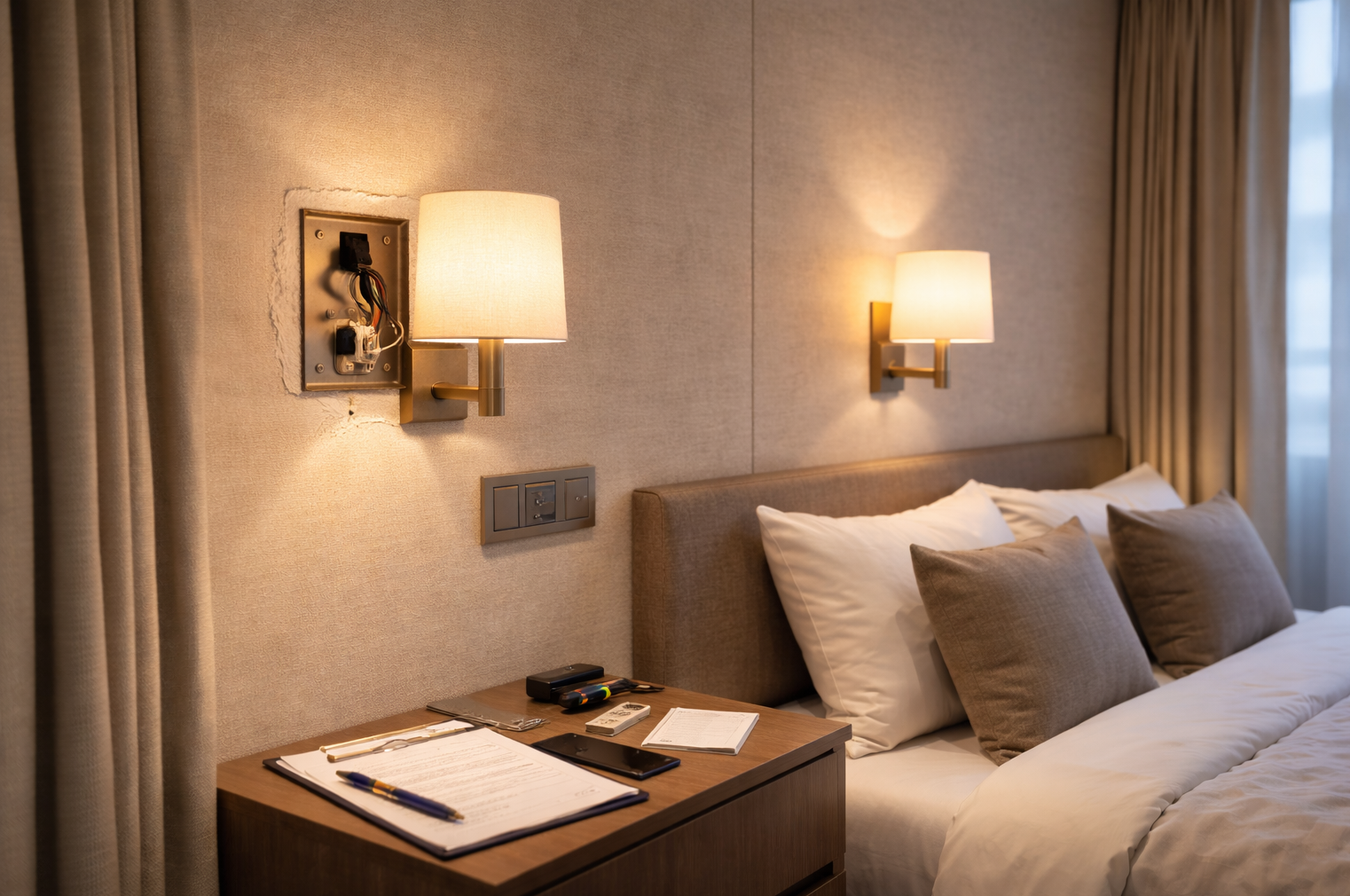 Hotel & Serviced Apartment Refresh: Check Circuits & Dimming Before Choosing Fixtures
 Why multi-stakeholder projects rush timelines but delay decisions
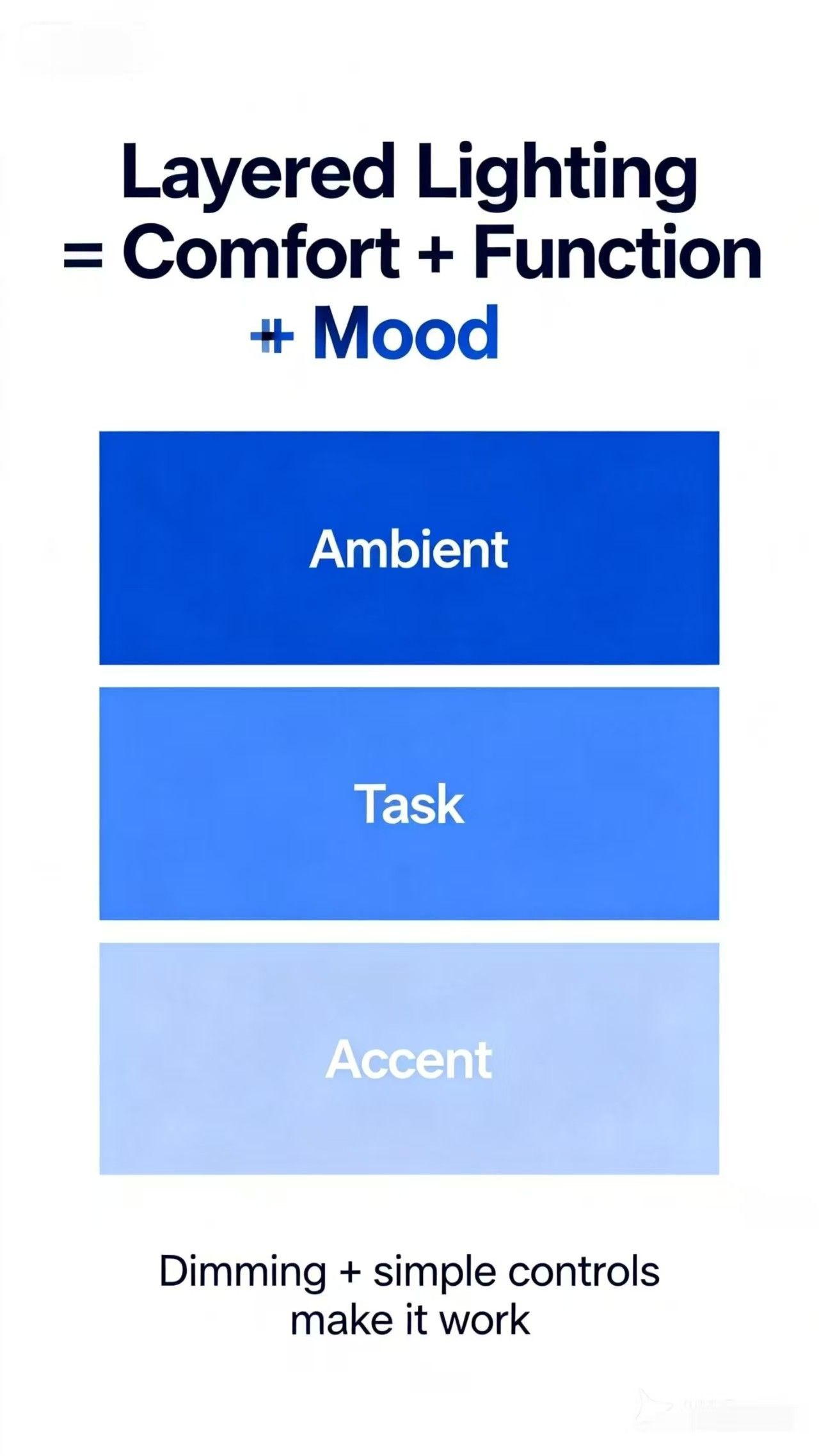 Layered Lighting 101: The Fastest Upgrade That Changes a Home