
The Future is Bright: Solar & Smart Technology in Modern Landscape Lighting
Beyond the Wire: Technology Liberates Landscape Lighting
The outdoor lighting world is undergoing a quiet revolution, driven by solar efficiency and digital intelligence. These technologies are not just gimmicks; they offer genuine new paradigms for convenience, sustainability, and functionality.
Solar Lighting: From Novelty to Viable Option
Early solar lights were dim and unreliable. Today, integrated solar LED fixtures have improved dramatically, making them a viable choice for specific applications.
The Technology Leap: Modern units feature high-efficiency monocrystalline solar panels, larger lithium-ion batteries, and bright, low-wattage LEDs. They store more sun energy and use it more effectively.
Best Applications: They excel in areas where running cable is impractical or prohibitively expensive—remote garden beds, down long driveways, or for temporary seasonal displays. Dusk-to-dawn sensors are standard.
Limitations & Considerations: Performance is entirely dependent on sunlight hours. They struggle in deep shade, during long winter nights, or in cloudy climates. They are generally not bright enough for primary task lighting (like illuminating a full patio) but work well for ambient path or accent lighting.
Smart Lighting: Ultimate Control and Integration
For the connected home, smart low-voltage lighting systems are transformative.
App-Based Control: Control every light or zone from your smartphone. Create, schedule, and modify lighting scenes (“Entertain,” “Security,” “Evening Walk”) with ease. No more manual timers.
Advanced Features:
Geo-fencing: Your lights can turn on automatically as your phone (and thus you) approach home.
Motion Sensing Integration: Link pathway lights to motion sensors for security or convenience, activating only when needed.
Voice Control: Integrate with Amazon Alexa, Google Assistant, or Apple HomeKit for hands-free operation.
Astonomical Clock & Weather Adjustment: Schedules adjust automatically for sunrise/sunset and can even respond to local weather data.
The Ecosystem: Systems from brands like Philips Hue (plug-in) or professional-grade options from Lutron or others (hardwired) offer varying levels of integration. They often require a dedicated bridge/hub.
Hybrid & Security-Focused Solutions
Solar + Motion Sensor: A powerful combo for security. The light charges all day and only blazes at full brightness when motion is detected, conserving battery while providing a powerful deterrent.
Smart Camera Lights: The ultimate integration—fixtures with built-in HD cameras, speakers, and lights, all controllable and monitorable via an app.
Conclusion: Choosing Your Path Forward
The future offers choice. For simplicity and wire-free installation in sun-drenched areas, modern solar is compelling. For whole-property control, automation, and integration with a smart home, a wired smart system is unmatched. Understanding these technologies allows you to make an informed decision based on your priorities: convenience, sustainability, security, or a blend of all three. The night is now fully programmable.
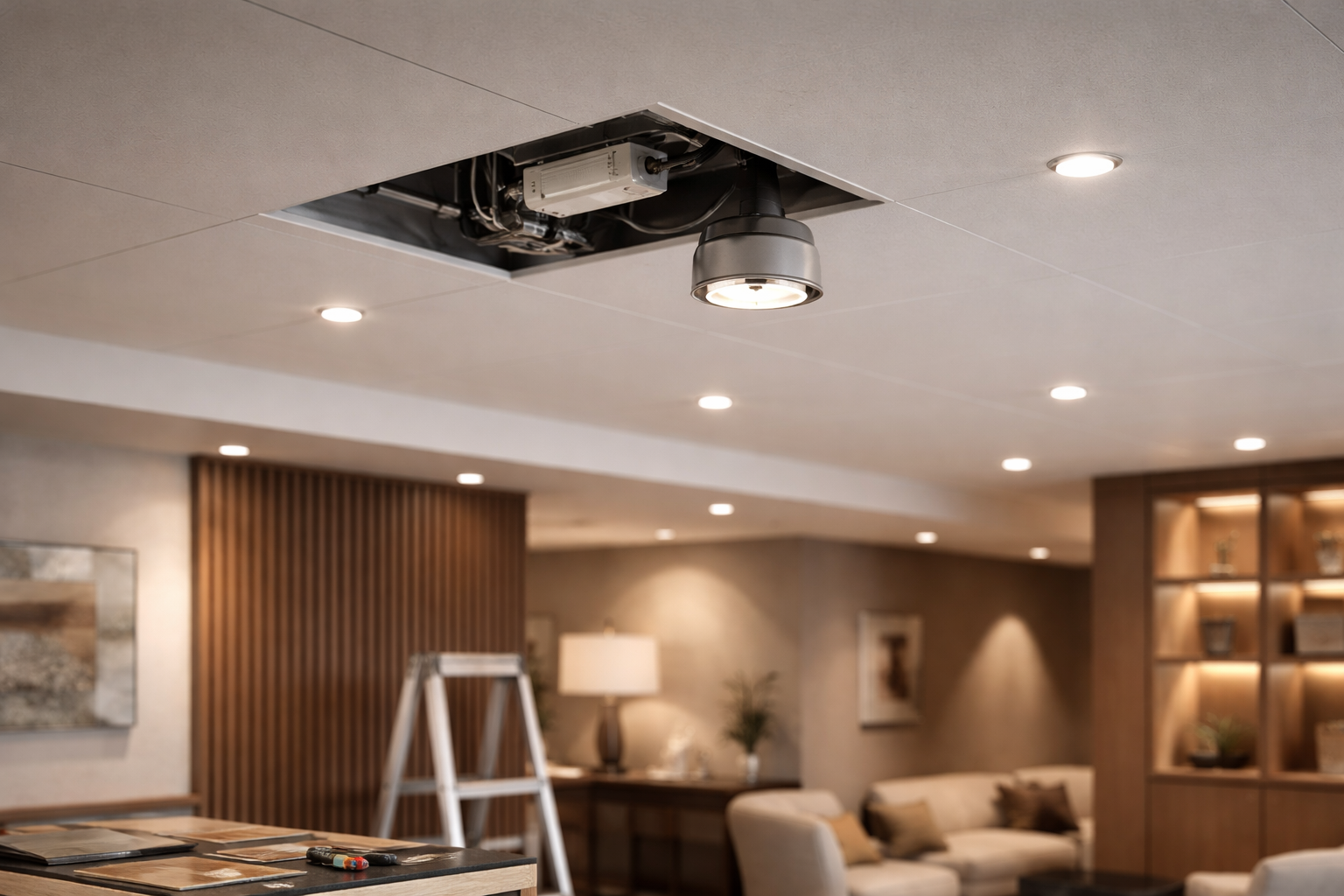 FM Lighting Replacements Without Guessing: Check Driver and Dimming Compatibility Before the Fixture Looks “Ready to Replace”
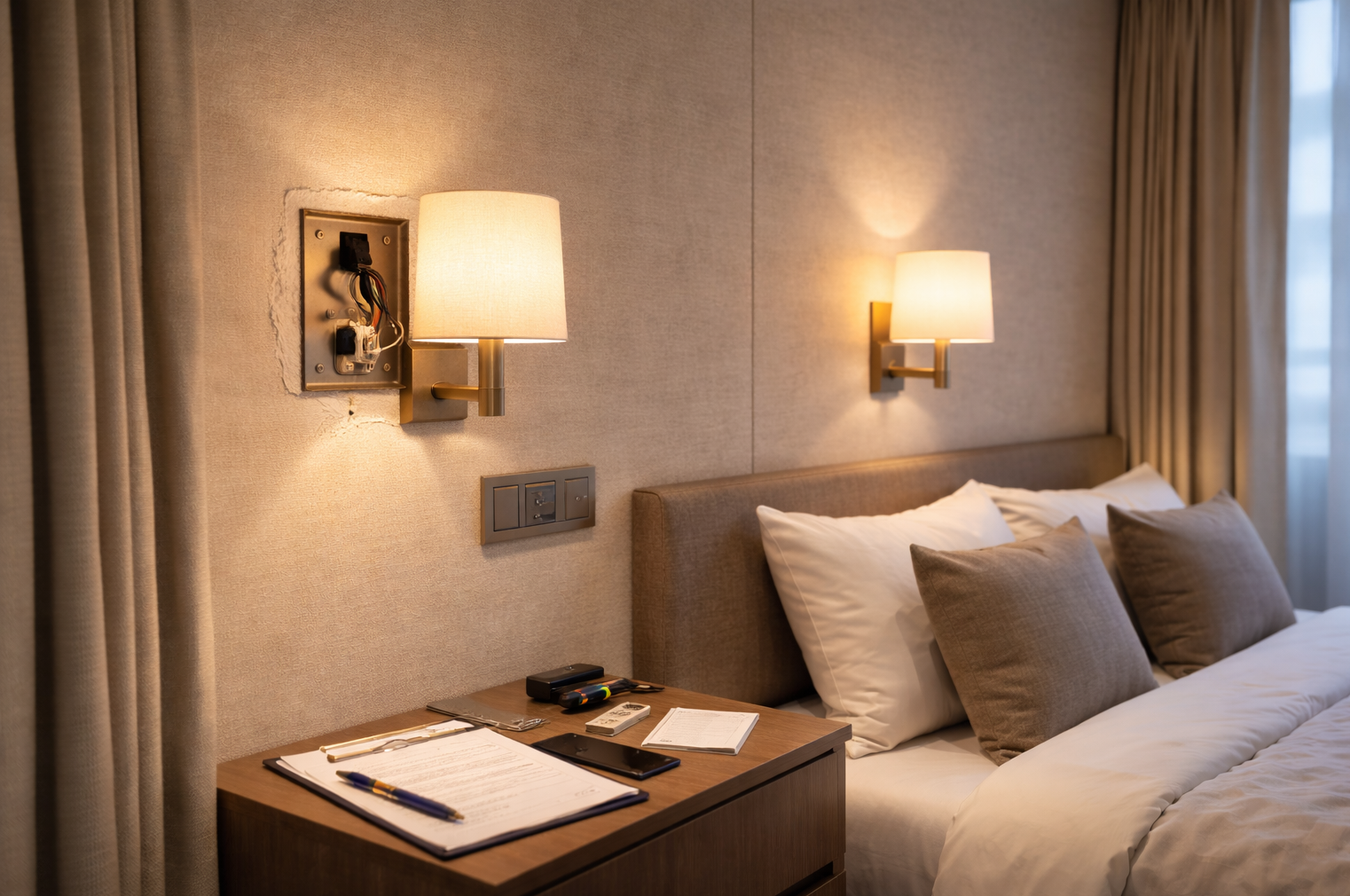 Hotel & Serviced Apartment Refresh: Check Circuits & Dimming Before Choosing Fixtures
 Why multi-stakeholder projects rush timelines but delay decisions
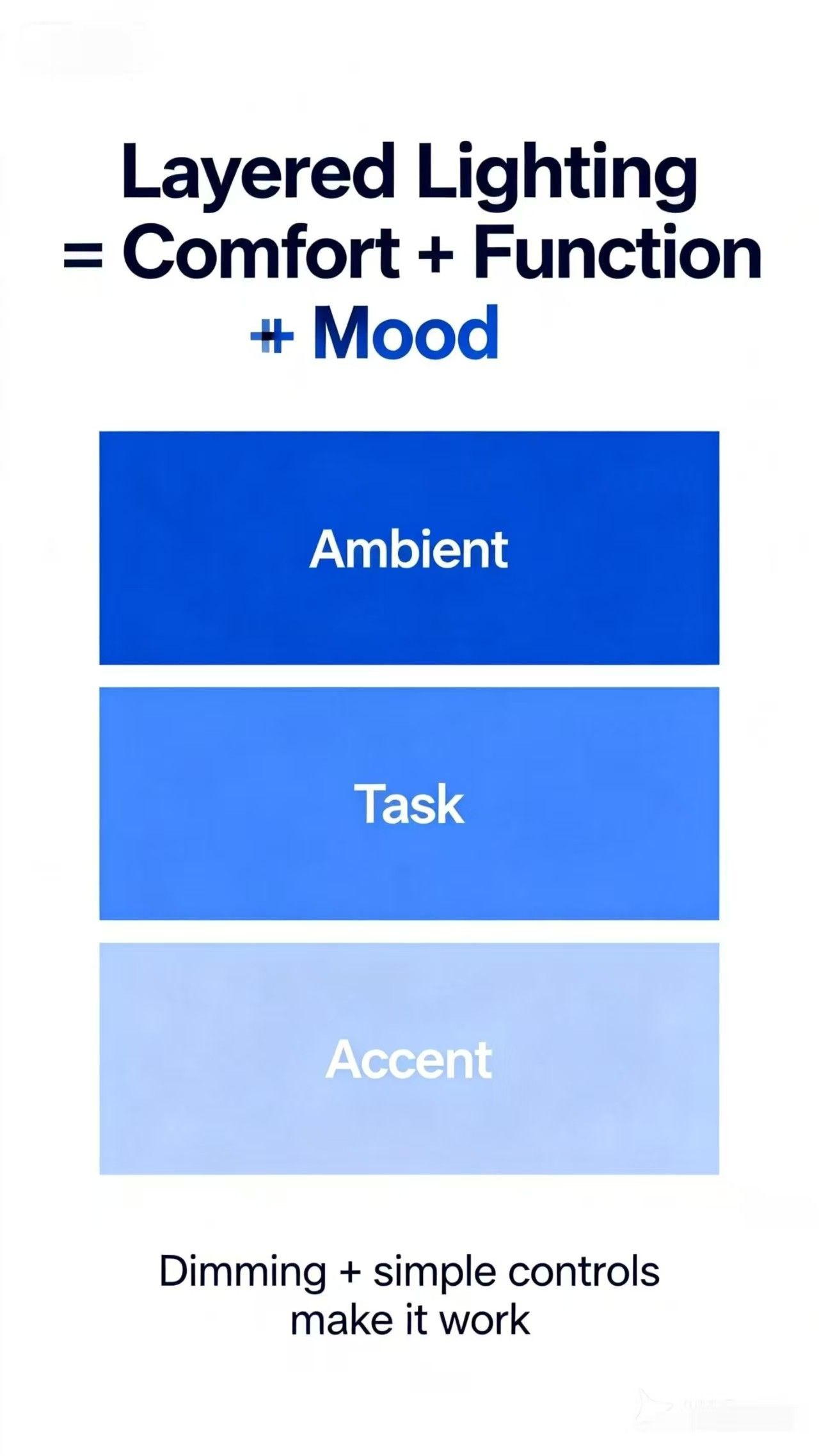 Layered Lighting 101: The Fastest Upgrade That Changes a Home