
Spike Lights 101: The Ultimate Guide to Lawn & Garden Spike Lighting
Sculpting the Night: The Art of the Adjustable Spike Light
While ambient path lights define space, the adjustable spike light is the artist’s brush. It’s the tool for creating drama, focus, and narrative in the nighttime landscape. Understanding its use transforms a garden into a staged performance.
The Anatomy of Versatility
A quality spike light features a sturdy, corrosion-resistant stake, a robust adjustable head (often with both tilt and rotation), and a choice of interchangeable lenses or reflectors. This allows you to change from a narrow 10° spot beam to punch light up a tall tree trunk, to a medium 30° flood to wash a broad shrub, to a wide 60° beam for grazing a textured wall.
Core Lighting Techniques
Uplighting: Placing the light low and aiming it upwards is the most dramatic technique. It silhouettes branches against the sky, reveals the texture of bark, and makes trees appear to glow from within. For best effect, place the fixture close to the trunk and slightly conceal it with low plantings.
Grazing: Positioning a light very close to a vertical surface (a wall, fence, or textured tree trunk) and skimming the beam upward highlights every bump and groove, maximizing texture and creating a striking play of light and shadow.
Cross-Lighting: To illuminate a statue or large shrub with balanced light and minimal shadows, use two spike lights positioned on opposite sides, aimed at the feature from roughly 45-degree angles.
Moonlighting (Downlighting): While typically done from trees, a spike light can be used in reverse—mounted high on a post or wall and aimed down through foliage to create dappled shadow patterns on the ground below.
Installation & Planning Tips
Stake Stability: Ensure the stake is long and strong enough for your soil. In soft soil, use a ground anchor or a heavier base plate.
Conceal the Source: The magic is in the effect, not the fixture. Tuck lights behind low grasses, rocks, or plantings so only the beam is visible.
Less is More: Start with a few well-placed lights. Over-lighting a space destroys mystery and depth. Use darkness as your canvas.
Conclusion: From Garden to Gallery
The adjustable spike light empowers you to curate your outdoor space after dark. By mastering a few simple techniques, you move from merely illuminating your yard to actively designing it, highlighting the architectural plants and features you love most and creating an enchanting, personalized nighttime retreat.
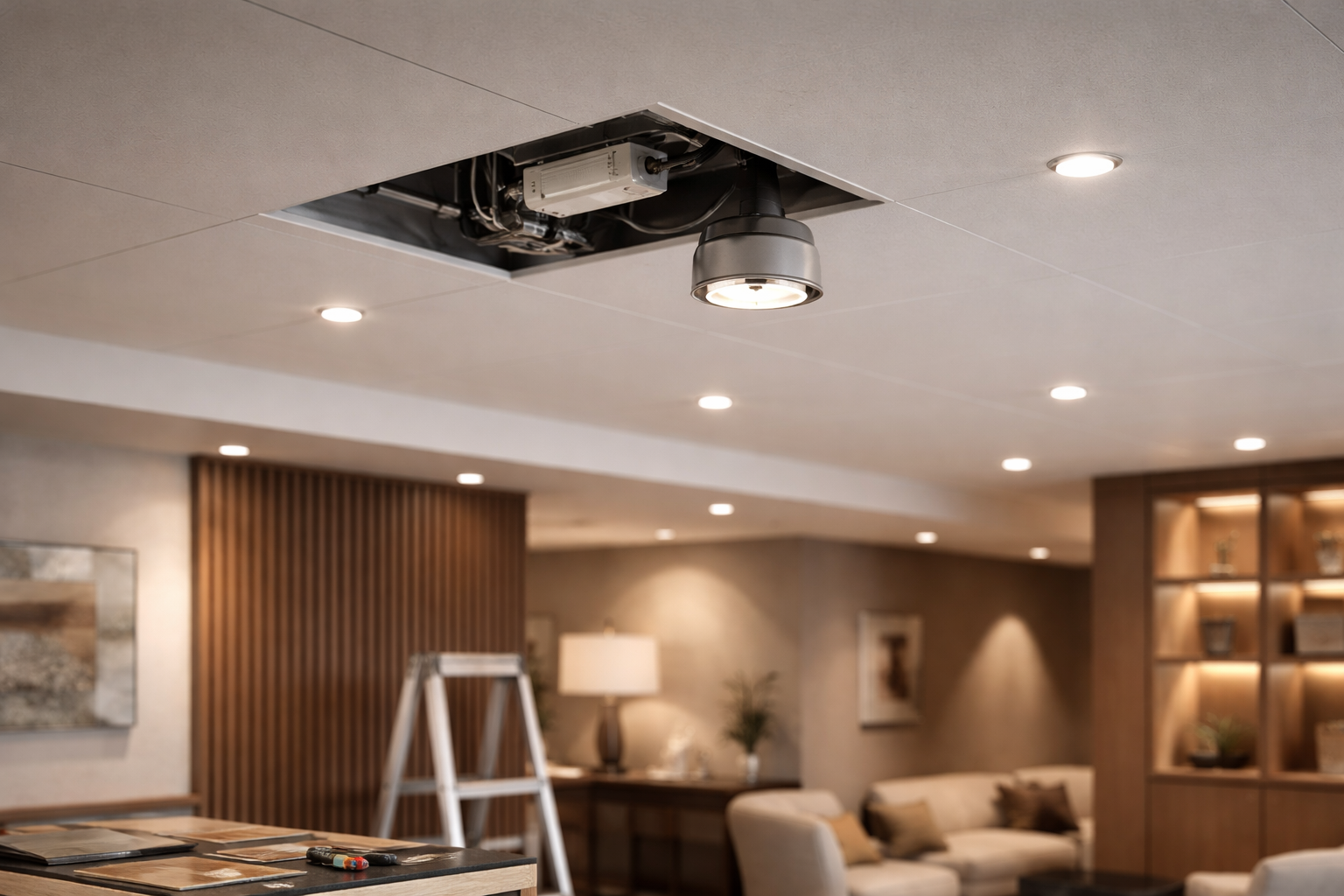 FM Lighting Replacements Without Guessing: Check Driver and Dimming Compatibility Before the Fixture Looks “Ready to Replace”
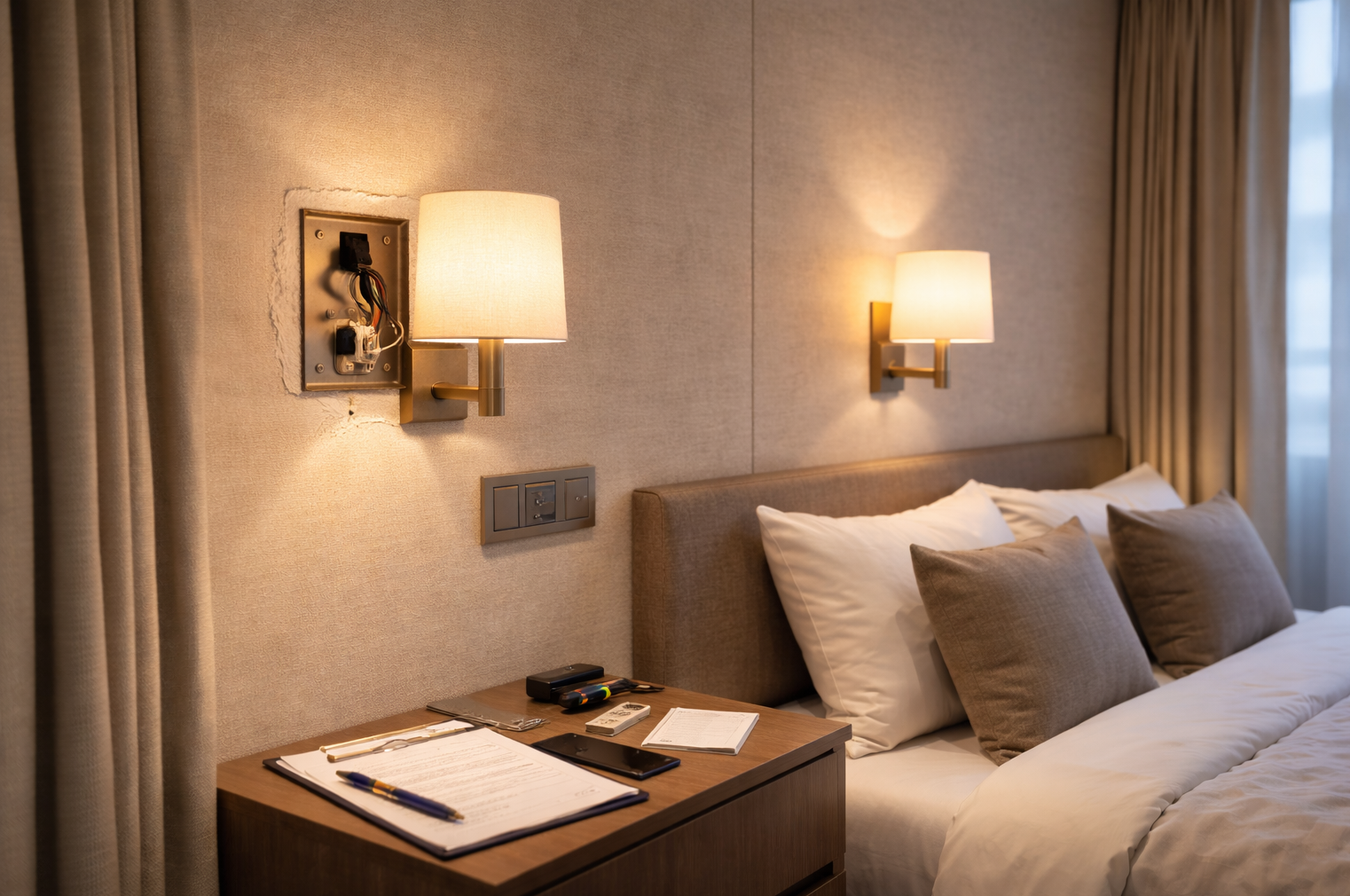 Hotel & Serviced Apartment Refresh: Check Circuits & Dimming Before Choosing Fixtures
 Why multi-stakeholder projects rush timelines but delay decisions
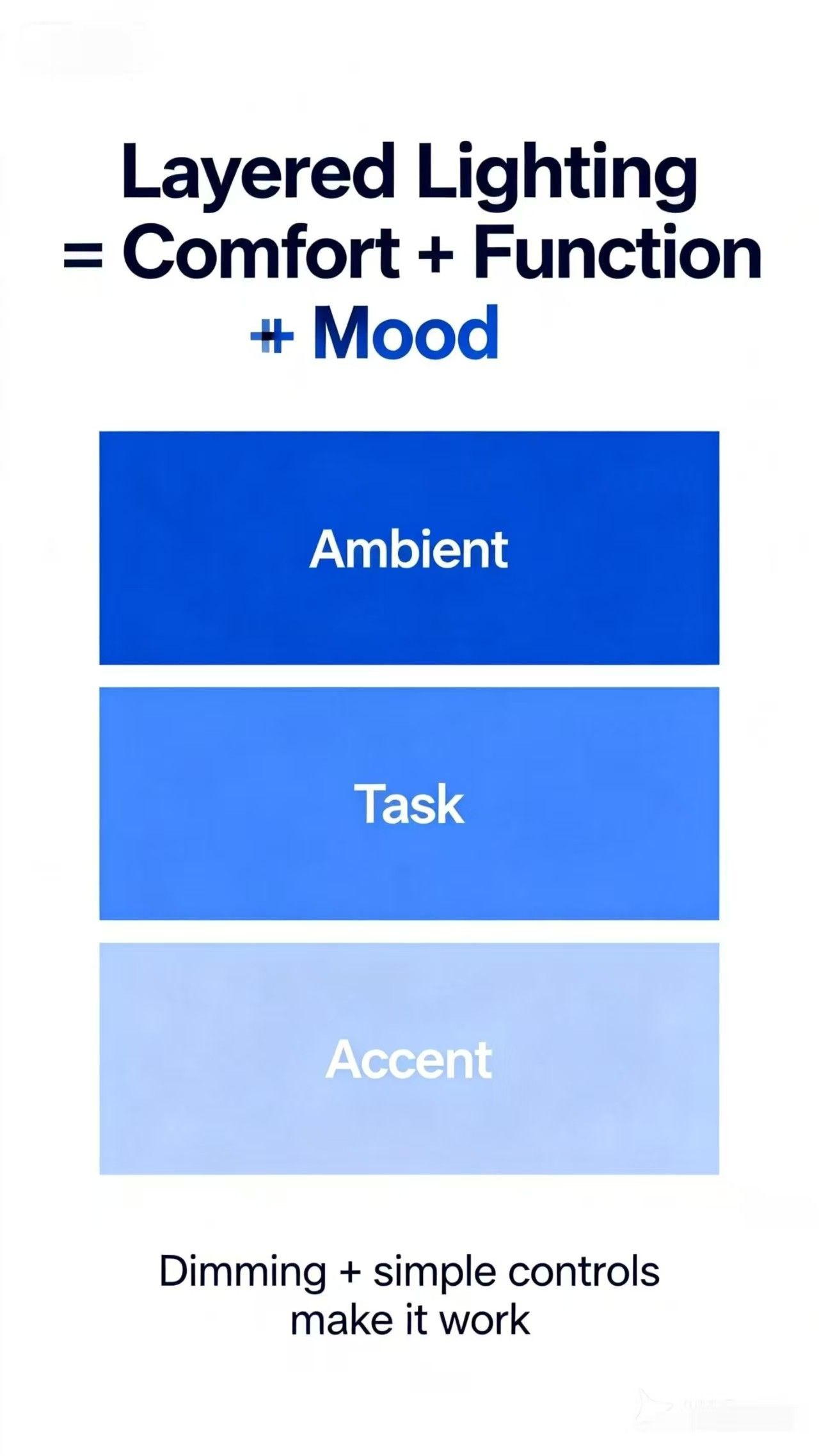 Layered Lighting 101: The Fastest Upgrade That Changes a Home