
The Foundation of Outdoor Lighting: IP Ratings, Materials & Durability Explained
Beyond Aesthetics: The Engineering of Durable Outdoor Light
Choosing outdoor lighting isn’t just about style; it’s a battle against nature. Sun, rain, frost, and salt can quickly ruin a beautiful fixture. Understanding the engineering behind durability is key to a long-lasting installation.
Decoding the IP Rating: Your First Line of Defense
The IP (Ingress Protection) code is non-negotiable. It defines protection against solids (first digit) and liquids (second digit).
For Garden Spikes & Path Lights (IP44-IP65): Resists rain and dirt splash. Adequate for sheltered areas.
For General Lawn & Landscape Lights (IP65-IP67): IP65 is the recommended standard. It means “dust-tight” and protected against low-pressure water jets from any direction—perfect for withstanding heavy rain and sprinklers.
For Submersible or Ground-Flush Lights (IP68): Can be buried or submerged continuously. Essential for in-ground wells or pond lighting.
Material Science: Choosing the Right Armor
The fixture body is its skeleton and skin.
Die-Cast Aluminum: The industry gold standard. It’s lightweight, naturally corrosion-resistant, and excellent at dissipating heat from LEDs. A high-quality powder-coated finish adds an extra, durable layer of color and protection.
Marine-Grade Stainless Steel (304/316): Offers unmatched strength and rust resistance, especially in coastal areas with salty air. It’s premium, with a timeless aesthetic.
Copper & Brass: Develop a beautiful natural patina over time, adding character. They are inherently resistant to corrosion.
Avoid: Cheap plastic or thin, painted steel, which will fade, crack, or rust within a year.
The Details That Matter: Seals, Glass, and Wiring
Silicone Gaskets: Ensure a watertight seal between the lens and the housing. They must remain flexible across temperature extremes.
Tempered Glass or Polycarbonate Lenses: Resist impact from hail or debris. Polycarbonate is shatterproof; tempered glass feels more premium.
Watertight Cable Glands: Where the cable enters the fixture, a proper compression seal prevents water from tracking up the wire into the electronics.
Conclusion: An Investment in Resilience
Viewing outdoor lighting through the lens of durability transforms your selection from a decorative purchase to a long-term investment. By prioritizing a high IP rating, robust materials, and quality construction, you ensure your landscape glow remains vibrant and reliable through every season, year after year.
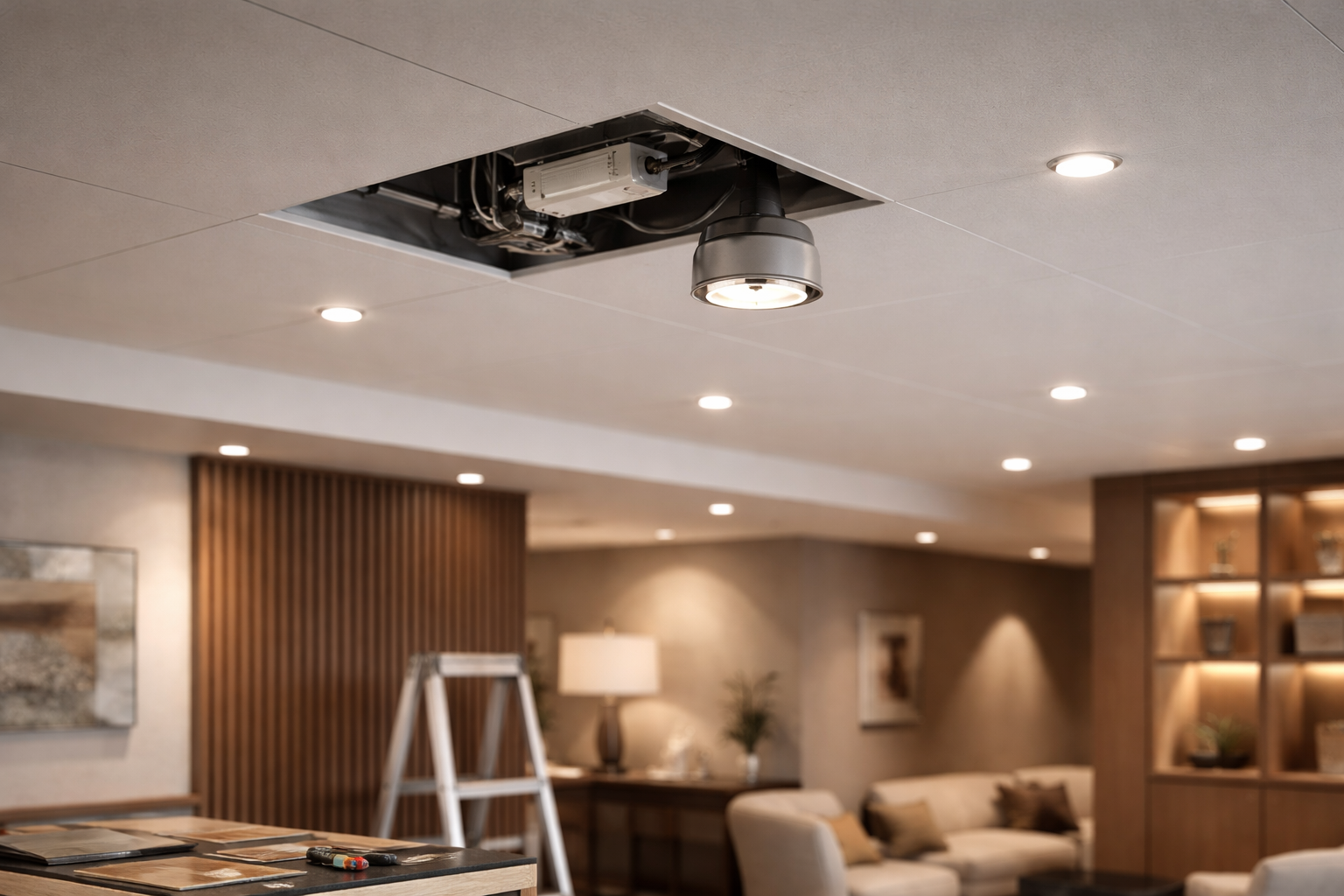 FM Lighting Replacements Without Guessing: Check Driver and Dimming Compatibility Before the Fixture Looks “Ready to Replace”
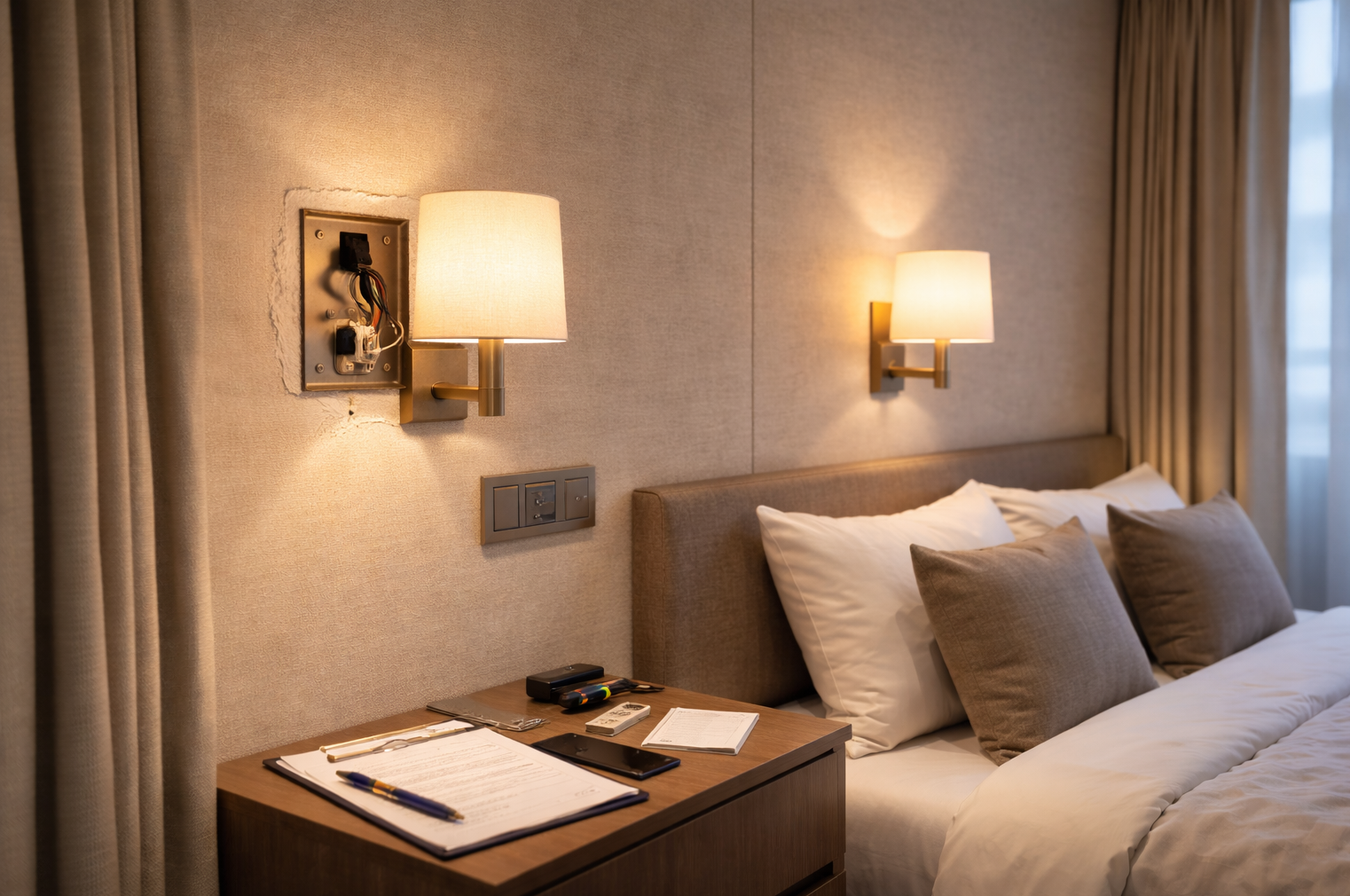 Hotel & Serviced Apartment Refresh: Check Circuits & Dimming Before Choosing Fixtures
 Why multi-stakeholder projects rush timelines but delay decisions
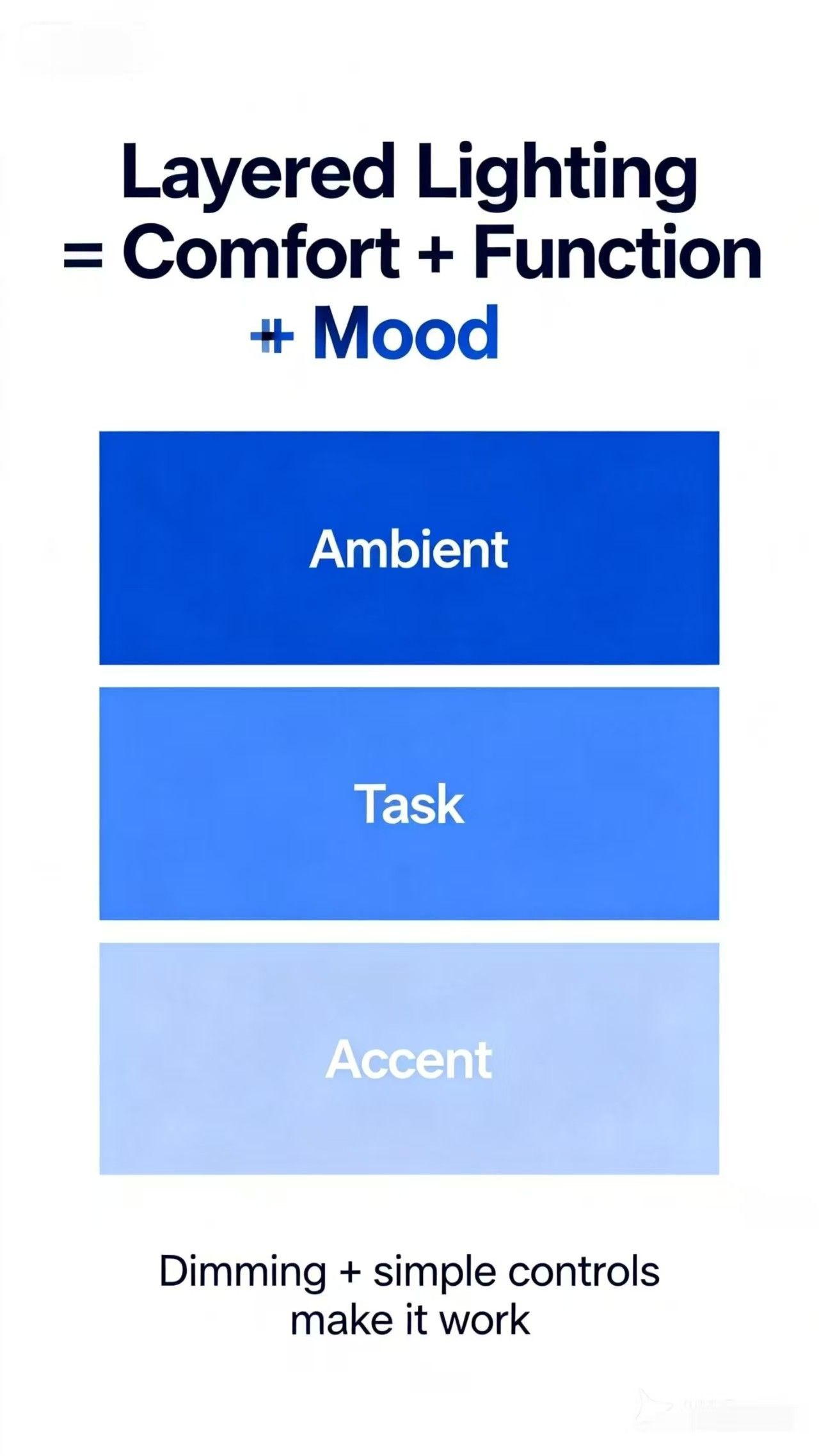 Layered Lighting 101: The Fastest Upgrade That Changes a Home