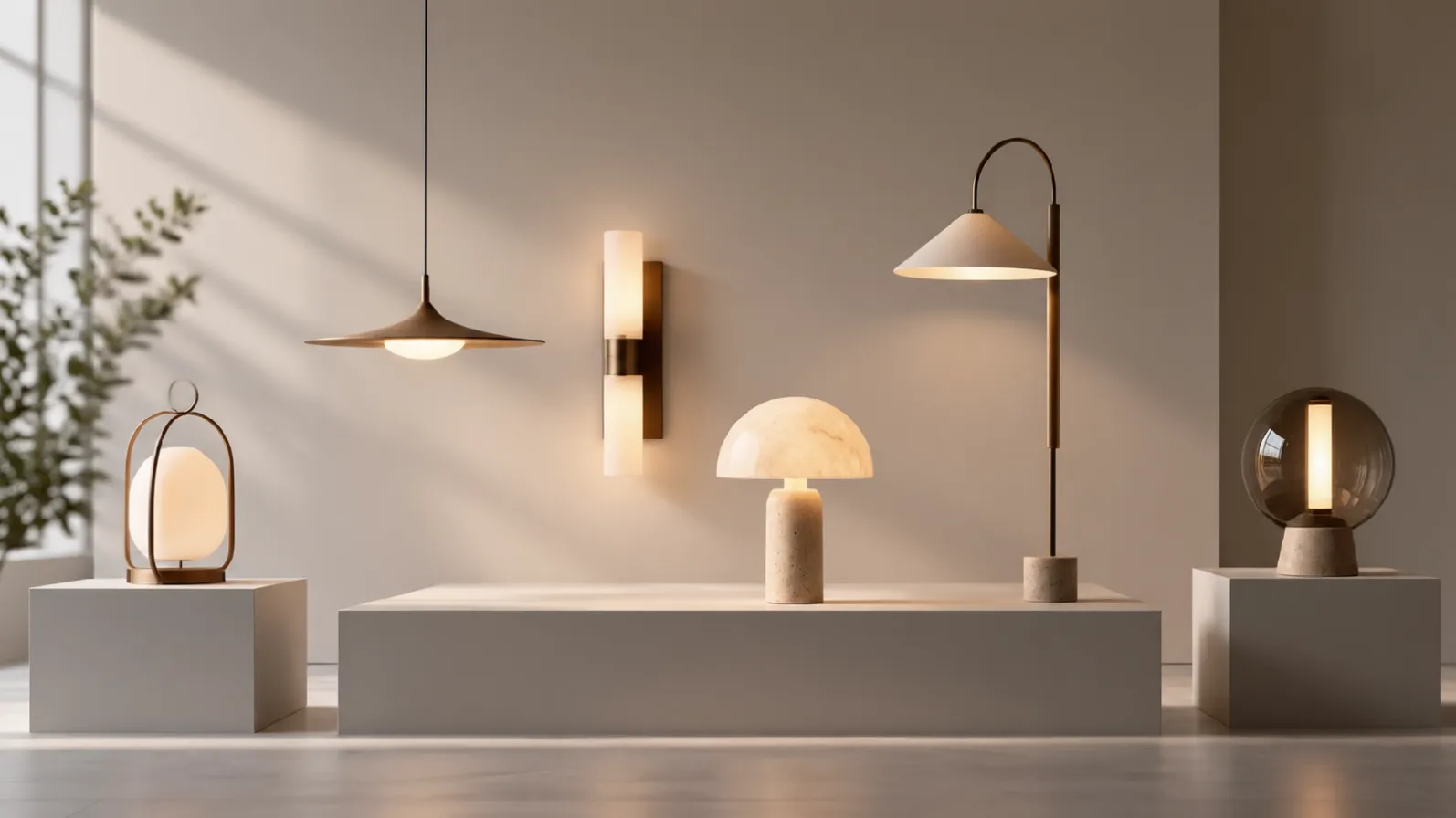
Oct 1, 2026Wholesale & Customization
Custom Lighting Supplier Evaluation: Can a Project Supplier Support an Import Program?
A custom lighting supplier may have strong project experience but still be the wrong commercial fit for an import program. See why the distinction matters.
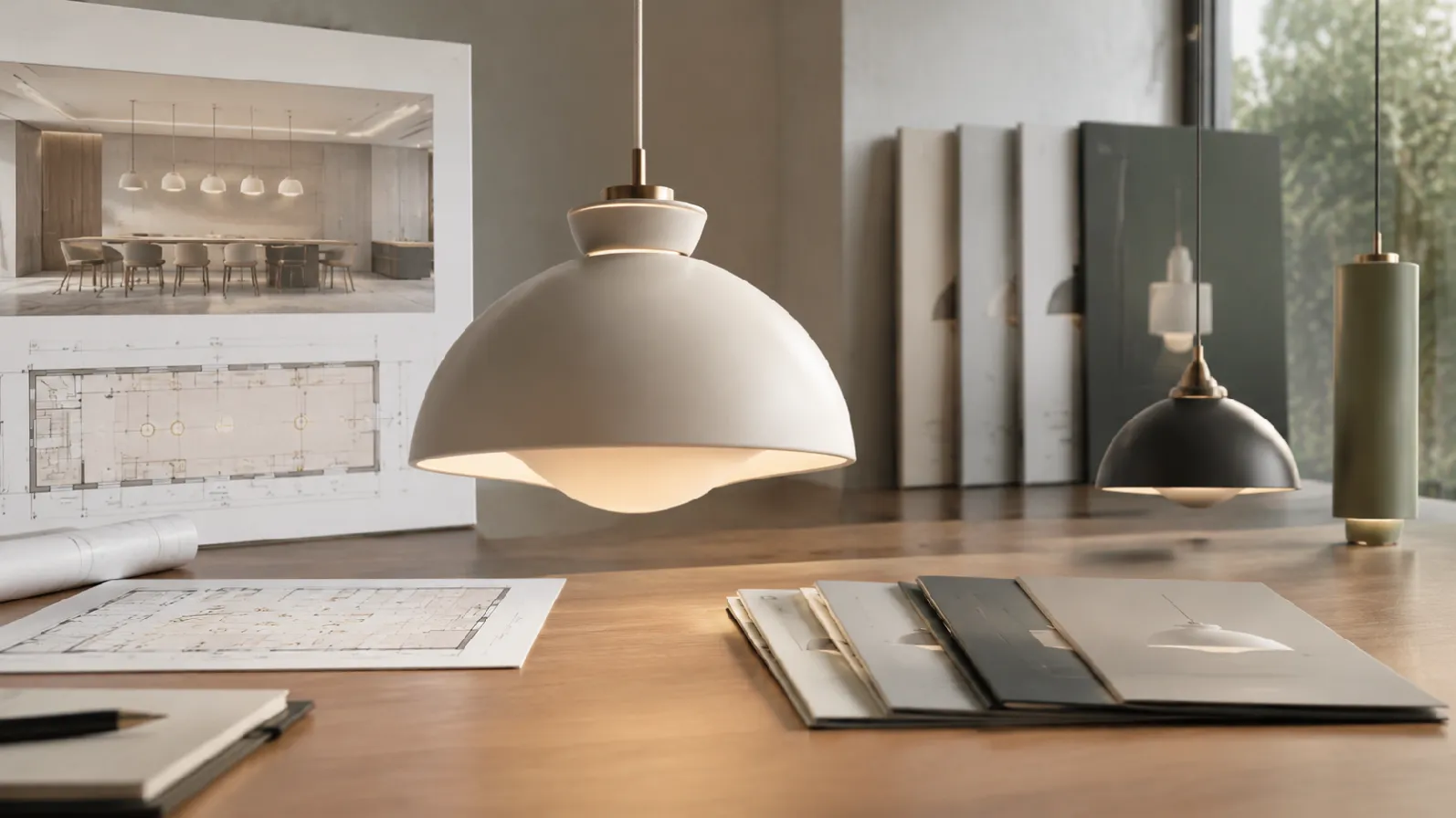
Custom Lighting Supplier Evaluation: Can a Project Supplier Support an Import Program?
A lighting importer can review a supplier's portfolio and find dozens of successful custom fixtures.
Hotel pendants. Restaurant wall lights. Lobby chandeliers. One-off architectural pieces.
That proves something useful: the supplier has experience responding to customized product requirements.
It does not automatically prove that the same supplier is the right commercial fit for an import program.
An importer may be buying a product that needs to sit inside a wholesale range, remain identifiable as a commercial SKU and continue beyond one defined installation.
A project supplier may be solving a different problem.
The fixture can be similar.
The commercial job is not.
A Successful Custom Project Proves One Type of Capability
Project-based custom lighting normally begins with a defined application.
A fixture may be developed around a hotel lobby, restaurant, guest area or another specific commercial interior.
The requirement is connected to that project.
Dimensions, installation conditions and other product decisions are reviewed around the intended application.
If the finished fixture works for that requirement, the project has achieved an important objective.
For an importer, however, the same physical product may have another commercial purpose.
It may need to become part of a sellable lighting range.
That changes what the buyer is asking the supplier to support.
An Import Program Is Built Around a Product, Not One Installation
An importer normally needs to think about the fixture as a commercial product rather than only as a project solution.
The product may be intended for:
- wholesale distribution,
- an importer-controlled range,
- a retail or interior brand,
- or a continuing commercial lighting program.
Its destination is not one predetermined interior.
The product needs to make sense as something that can be offered again to the buyer's own market.
That is a different context from supplying a customized fixture for one identified site.
The supplier may be capable of both.
The importer should not assume that one automatically proves the other.
Similar Fixtures Can Represent Different Commercial Jobs
Consider the same decorative pendant.
For a hospitality project, it may be developed around a particular ceiling height, furniture layout and interior concept.
For an importer, a visually similar pendant may need to function as part of a defined commercial range sold to several customers.
The fixture can look almost identical in both situations.
But the supplier is responding to a different business requirement.
In the first case, the product is connected to one project condition.
In the second, the product sits inside the importer's commercial offer.
This distinction is easy to miss when supplier evaluation is based mainly on photographs of completed custom work.
A Large Custom Portfolio Does Not Answer Every Importer Question
A strong portfolio is useful evidence.
It can show product categories, design direction and the type of custom work a supplier has handled.
But an importer should be careful about what that evidence actually proves.
A gallery of hotel or commercial-project fixtures primarily shows experience delivering project requirements.
It does not by itself establish how the supplier approaches a product intended for wholesale or continuing commercial sale.
The reverse is also true.
A supplier with a strong wholesale product range should not automatically be assumed to be the right choice for every deeply customized project.
Neither business model is inherently better.
They solve different commercial problems.
This Is Not the Same as Semi-Custom Versus Full-Custom
The distinction can exist even when the technical level of customization looks similar.
A semi-custom pendant can be supplied for a hotel project.
A similar semi-custom pendant can also become part of an importer's wholesale assortment.
Likewise, a deeper custom product can serve either a defined project or a commercial product program.
The important difference is therefore not only:
How much customization does the fixture require?
It is also:
What commercial role will the finished product have after development?
That question changes how the importer should interpret the supplier's previous experience.
The Same Supplier May Support Both—But It Should Not Be Assumed
Some B2B lighting suppliers support both project and wholesale requirements.
MUENHUIDECOR itself publicly separates project and contract lighting from wholesale and collection supply because the purchasing context is not identical.
A supplier that works across both models may therefore be relevant to an importer.
But the buyer still needs to discuss the actual requirement.
Statements such as:
“We do custom lighting.”
or:
“We have completed many hotel projects.”
do not fully describe how the proposed import program will be handled.
They establish a starting point for the conversation, not the conclusion.
Product Capability Is Only One Part of Supplier Evaluation
The first question is naturally:
Can this supplier make the lighting product we need?
That matters.
But once the answer is yes, an importer may need to ask a second commercial question:
Does this supplier normally work with products serving the same type of business requirement as ours?
That does not require a complicated supplier-scoring system.
It simply prevents product capability from being treated as proof of every other type of supplier fit.
This becomes particularly relevant when several suppliers can all produce an acceptable version of the fixture.
The differentiation is no longer simply whether the product is technically possible.
It is whether the supplier relationship matches the intended commercial use of that product.
Why This Matters Before the Importer Commits to Development
A custom product can begin consuming development attention before it becomes part of an active commercial range.
If the supplier and importer are working toward different commercial endpoints, that difference may not be obvious from the first product discussion.
The supplier may be treating the requirement as one completed custom job.
The importer may be treating it as the beginning of a commercial product program.
Neither interpretation is automatically unreasonable.
The problem is the mismatch.
For the importer, supplier evaluation is therefore clearer when the intended commercial role of the finished product is understood before deeper development continues.
Custom Lighting Supply at MUENHUIDECOR
MUENHUIDECOR is a lighting-led B2B supplier supporting project, wholesale, semi-custom and custom lighting requirements.
Project requirements can begin from references, drawings or specifications tied to a defined commercial interior.
Wholesale and importer requirements may instead begin from an existing product, selected adaptation or a more defined custom product intended for a commercial range.
The appropriate discussion depends on the actual product, quantity and intended commercial use.
MUENHUIDECOR does not treat every custom-lighting requirement as the same type of purchasing situation.
Evaluating a Supplier for an Active Lighting Import Program?
If you already have a defined custom-lighting requirement, send:
- the product reference, drawing or selected model,
- the approximate quantity,
- the destination market,
- whether the product is intended for an importer or wholesale range,
- and the current development stage.
MUENHUIDECOR can review whether the requirement fits the project, wholesale, semi-custom or custom-lighting supply scope we currently support, depending on the product and quantity.
Evaluating a supplier for an active lighting import program? Send the product or drawing, approximate quantity, destination market and current development stage for scope review.