
From Vision to Handover: A Complete Guide to Commercial Lighting Design Process
Introduction: Why Process is Everything in Lighting
In commercial construction, lighting is rarely a standalone element. It is an integral layer that interacts with architecture, interior design, MEP systems, and the human experience. A beautiful lighting concept can fail without a disciplined process to shepherd it from sketches to the switched-on moment. This guide maps the journey, providing a framework for stakeholders to ensure clarity, control, and quality at every turn.
Phase 1: Concept & Schematic Design – Defining the “Why” and “What”
This phase establishes the foundation. It’s not about fixtures, but about light itself.
Core Tasks: Understanding client brand and operational needs; conducting spatial and functional analysis; developing a conceptual narrative (e.g., “warm and communal,” “crisp and efficient”); creating preliminary mood boards and conceptual light sketches.
Key Deliverable: Lighting Concept Report. This document articulates the design philosophy, key goals, and performance criteria (like ambient luminance levels and target energy efficiency). It aligns all stakeholders before any technical design begins.
The Coordination Imperative: Early workshops with the architect and interior designer are crucial to integrate lighting into the ceiling plan and architectural features.
Phase 2: Design Development & Documentation – Translating Ideas into Instructions
Here, the concept gets its technical backbone. This is where precise planning prevents costly site conflicts.
Core Tasks: Performing detailed lighting calculations (using DIALux or similar) to validate illuminance levels; selecting specific fixtures and specifying their technical attributes (lumens, CCT, CRI, beam angle); developing reflected ceiling plans (RCPs) showing fixture layouts.
Key Deliverable: Comprehensive Lighting Specification Package & Detailed RCPs. This becomes part of the tender/construction documents, forming the legal basis for what will be supplied.
The Coordination Imperative: Clash detection with MEP services is vital. The lighting team must coordinate conduit paths, ceiling void depths, and access points with HVAC, sprinklers, and structural elements.
Phase 3: Procurement & Prefabrication – Ensuring Supply Matches Spec
The transition from design to physical product is a high-risk phase. Rigorous control here is non-negotiable.
Core Tasks: Issuing tender packages; evaluating supplier technical submittals (to ensure proposed fixtures match every specified parameter); approving material samples (finishes, glass, etc.); reviewing and approving shop drawings from the chosen supplier.
Key Deliverable: Approved Shop Drawings & Material Samples. These are the final, manufacturer-level drawings that show exact dimensions, electrical requirements, and installation details. They are the blueprint for fabrication.
The Coordination Imperative: The supplier must work closely with the contractor to confirm installation interfaces and schedule. Any value-engineering must be carefully vetted to protect the core design intent.
Phase 4: Installation & On-Site Commissioning – The Moment of Truth
Even perfect drawings meet the reality of the construction site. Active supervision ensures fidelity.
Core Tasks: Conducting pre-installation meetings with electrical contractors; performing site inspections to verify rough-in (placement of junction boxes, conduit) aligns with drawings; overseeing fixture installation and focusing.
Key Deliverable: A Fully Commissioned Lighting System. Commissioning goes beyond “it turns on.” It involves programming control systems (scenes, schedules, sensors), adjusting beam angles, and fine-tuning intensities to achieve the exact effect from the Phase 1 concept.
The Coordination Imperative: The lighting designer or consultant must work side-by-side with the electrical contractor and AV/controls integrator to troubleshoot and adjust in real-time.
Phase 5: Final Handover & Post-Occupancy – Closing the Loop
Project delivery isn’t complete until the client knows how to use and maintain the system.
Core Tasks: Compiling as-built drawings; delivering the complete Operation & Maintenance (O&M) Manual with all product data sheets, warranties, and control system guides; conducting training sessions for facility management staff.
Key Deliverable: O&M Manual & Signed-Off Completion Certificate. This transfers responsibility and provides the toolkit for long-term system health.
The Coordination Imperative: Final walkthroughs with the client and facility team ensure all questions are answered, solidifying a successful partnership and paving the way for future work.
Conclusion: The Thread of Professional Foresight
The difference between a good and a great lighting project is often invisible—it’s the conflicts that never happened, the delays that were avoided, and the design intent that remained pure from start to finish. By respecting and mastering this phased process, project leaders move from being passive buyers of fixtures to active directors of light, ensuring their commercial space performs brilliantly for years to come.
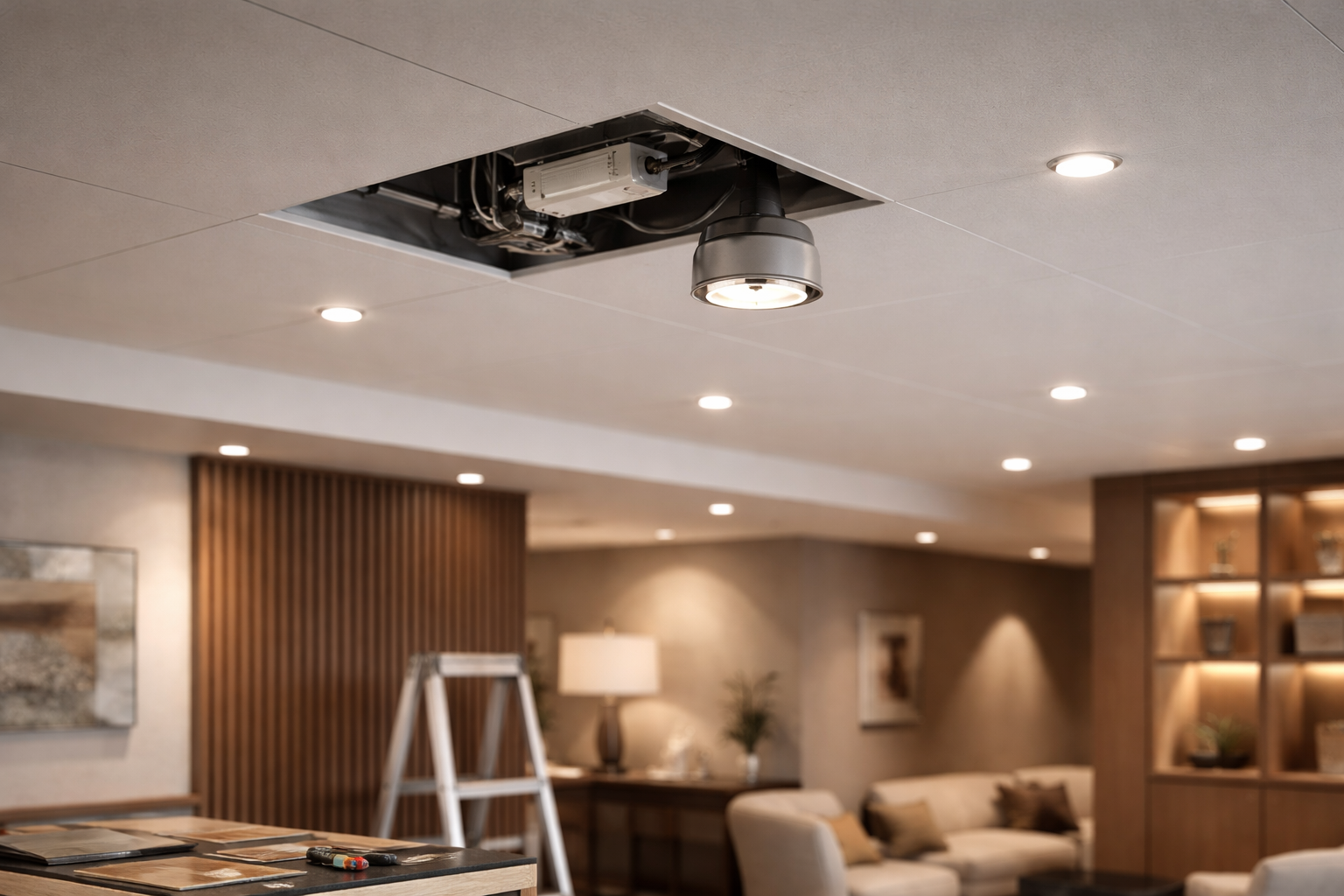 FM Lighting Replacements Without Guessing: Check Driver and Dimming Compatibility Before the Fixture Looks “Ready to Replace”
 Hotel & Serviced Apartment Refresh: Check Circuits & Dimming Before Choosing Fixtures
 Why multi-stakeholder projects rush timelines but delay decisions
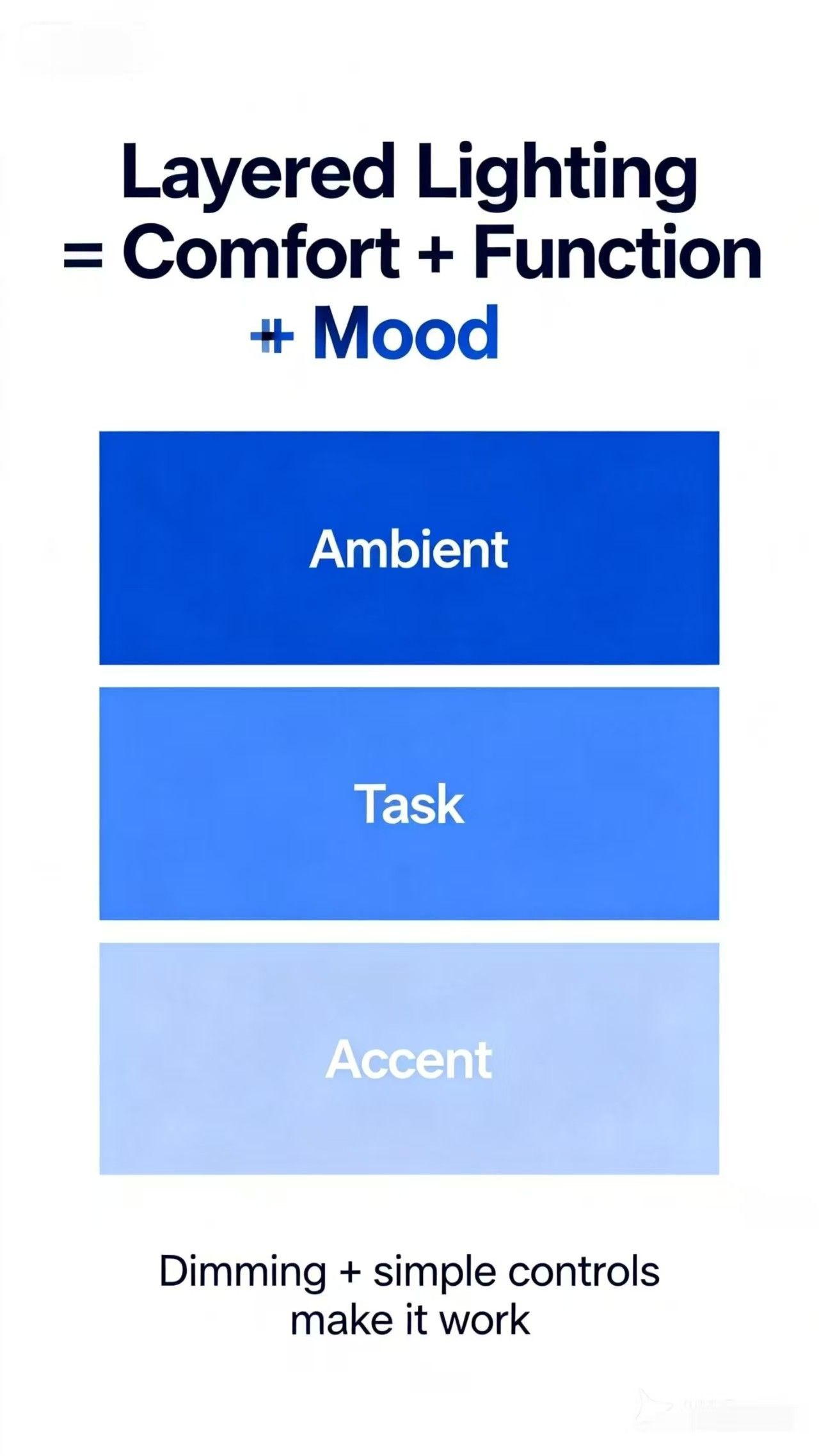 Layered Lighting 101: The Fastest Upgrade That Changes a Home