
Pool Lighting Psychology: How Light Influences Mood & Extends Guest Stay | Expert Guide
Pool Lighting Psychology: The Secret to Influencing Guest Mood and Lengthening Stays
Think of your pool area at night. Is it merely a lit-up body of water, or is it an inviting, atmospheric destination that beckons guests to linger? The difference lies in understanding aquatic lighting psychology. For forward-thinking hospitality businesses, pool lighting is a strategic investment in the guest experience, with a direct and measurable impact on emotion, behavior, and revenue.
Part 1: The Science of Light and Emotion
Light is our primary environmental cue. It directly affects our circadian rhythms, hormone production, and emotional state.
Color Psychology in Water:
Blues & Aquas: The most natural choice for water, these hues evoke feelings of calm, serenity, and cleanliness. They promote relaxation and are perfect for creating a tranquil, spa-like retreat.
Warm Whites & Ambers: These colors generate a sense of warmth, intimacy, and luxury. They mimic sunset or candlelight, making spaces feel cozy, inviting, and sophisticated—ideal for evening social gatherings.
Vibrant Greens & Purples: Associated with energy, fun, and creativity. These are excellent for creating a party atmosphere, attracting a younger crowd, or signaling a special event.
Dynamic RGB Color Cycles: Changing colors create excitement, wonder, and visual interest. The movement captivates attention, prevents monotony, and can be programmed for themes or music synchronization.
Intensity and Distribution:
Harsh, Uniform Brightness: Feels institutional, sterile, and can cause glare. It encourages functional use (a quick swim) rather than leisurely stay.
Layered, Subtle Lighting: Creates depth, mystery, and comfort. Combining underwater glow, gentle pathway lighting, and accent lights on landscaping (a technique called "moonlighting") mimics nature and invites exploration and relaxation.
Part 2: From Emotion to Behavior: How Lighting Extends Stay Time
Positive emotional states directly correlate with longer dwell times. Here’s how strategic lighting encourages guests to stay:
Creating "Third Spaces": A beautifully lit pool area transitions from a daytime activity zone to an essential "third space"—a social hub beyond the guest room and restaurant. Comfortable, appealing lighting makes this space usable and desirable well into the night.
Enhancing Perceived Safety and Comfort: Well-lit pathways, steps, and pool edges (without glare) make guests feel secure, allowing them to relax fully. Proper glare-free illumination in the water itself is crucial for swimmer comfort and safety.
Fostering Social Interaction: Warm, flattering light around seating areas encourages conversation and socializing. It creates intimate nooks and vibrant communal spaces where guests want to gather, order drinks, and connect.
Driving Photogenic Moments: In the age of social media, a stunning, uniquely lit pool is a powerful marketing tool. Guests are compelled to take and share photos, which extends their engagement with the space and provides free marketing for your property.
Part 3: A Strategic Lighting Plan for Maximum Impact
Implementing these principles requires moving from standard illumination to curated experiential lighting.
Zoning with Light: Divide your pool area into zones with different lighting purposes.
Entry & Pathway Zone: Warm, welcoming, and safe guidance.
Aquatic Zone: Underwater LEDs with color-tuning capability (calm blues by day, dynamic shows by night).
Lounge & Seating Zone: Dimmable, warm ambient light with accent lighting on tables or features.
Architectural & Landscape Zone: Uplighting for palms, walls, or water features to add drama and context.
The Power of Programmability: Modern LED systems with smart controllers are non-negotiable. They allow you to:
Create pre-set "Mood Scenes": e.g., "Tranquil Evening," "Vibrant Pool Party," "Romantic Retreat."
Schedule automatic transitions from daytime to evening lighting.
Synchronize light shows with music for special events, turning the pool into a revenue-generating event venue.
Technical Considerations for Commercial Success:
Quality & Durability: Invest in commercial-grade, IP68-rated fixtures designed for constant use and chemical exposure. Avoid residential-grade products.
Energy Efficiency: LED technology drastically reduces operational costs, making elaborate lighting designs economically sustainable.
Professional Design & Installation: Partner with lighting specialists who understand both the technical requirements of wet environments and the experiential goals of hospitality.
Conclusion: Lighting as a Return on Experience (ROE)
Viewing pool lighting purely as a utility cost is a missed opportunity. When designed with psychological and behavioral principles in mind, it becomes a powerful tool for enhancing guest satisfaction, creating memorable brand experiences, and increasing operational revenue through extended F&B sales, event bookings, and positive reviews.
The illuminated pool is no longer just an amenity; it’s the heart of the nighttime resort experience. By mastering the interplay of light and water, you don’t just light a pool—you craft an atmosphere that guests feel, remember, and are willing to stay in—and pay for—longer.
Ready to transform your pool from a daytime facility into a nighttime destination? Our team specializes in commercial-grade, customizable aquatic lighting systems designed to deliver both breathtaking beauty and measurable business results. Contact us for a consultation to see the potential ROI of light.
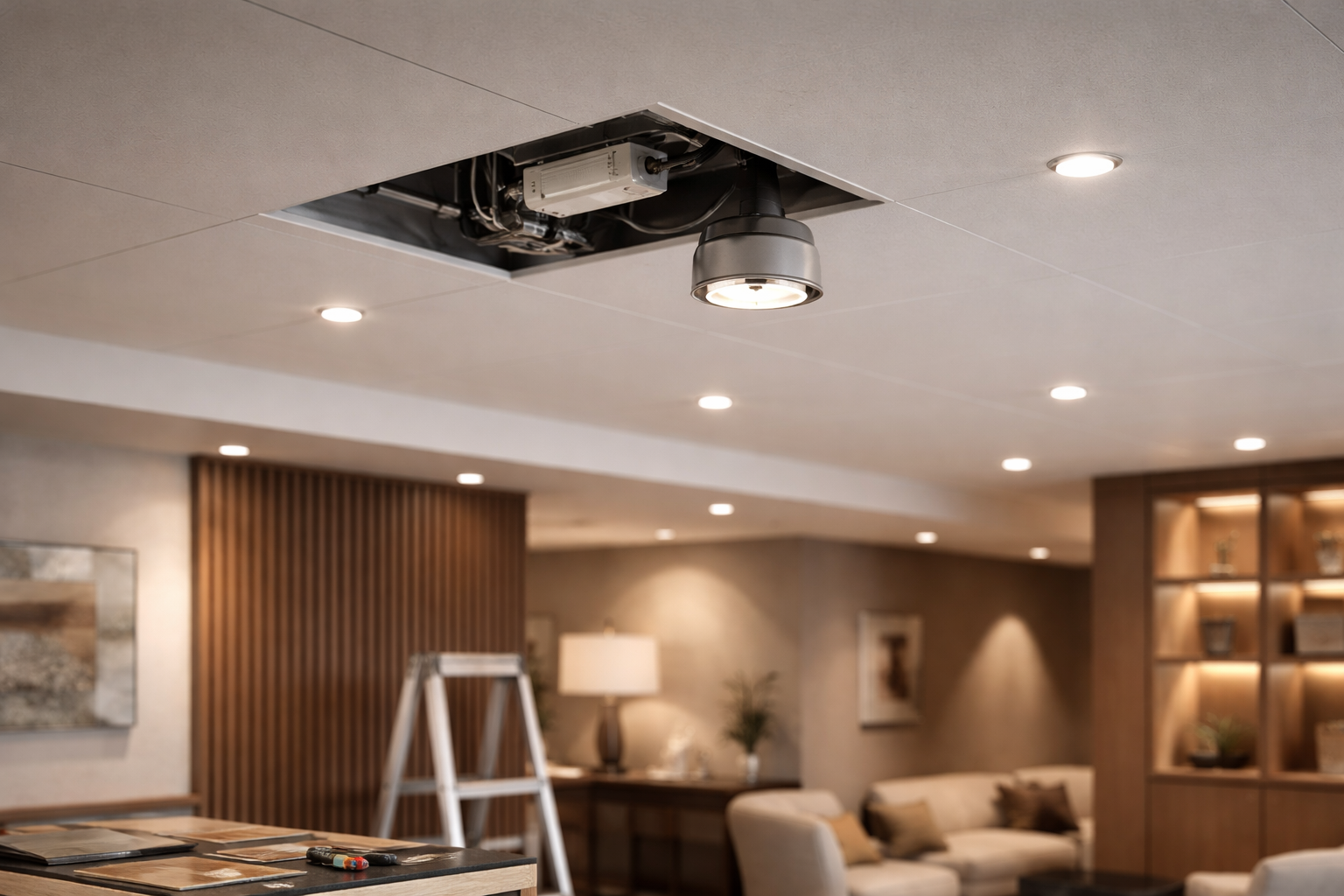 FM Lighting Replacements Without Guessing: Check Driver and Dimming Compatibility Before the Fixture Looks “Ready to Replace”
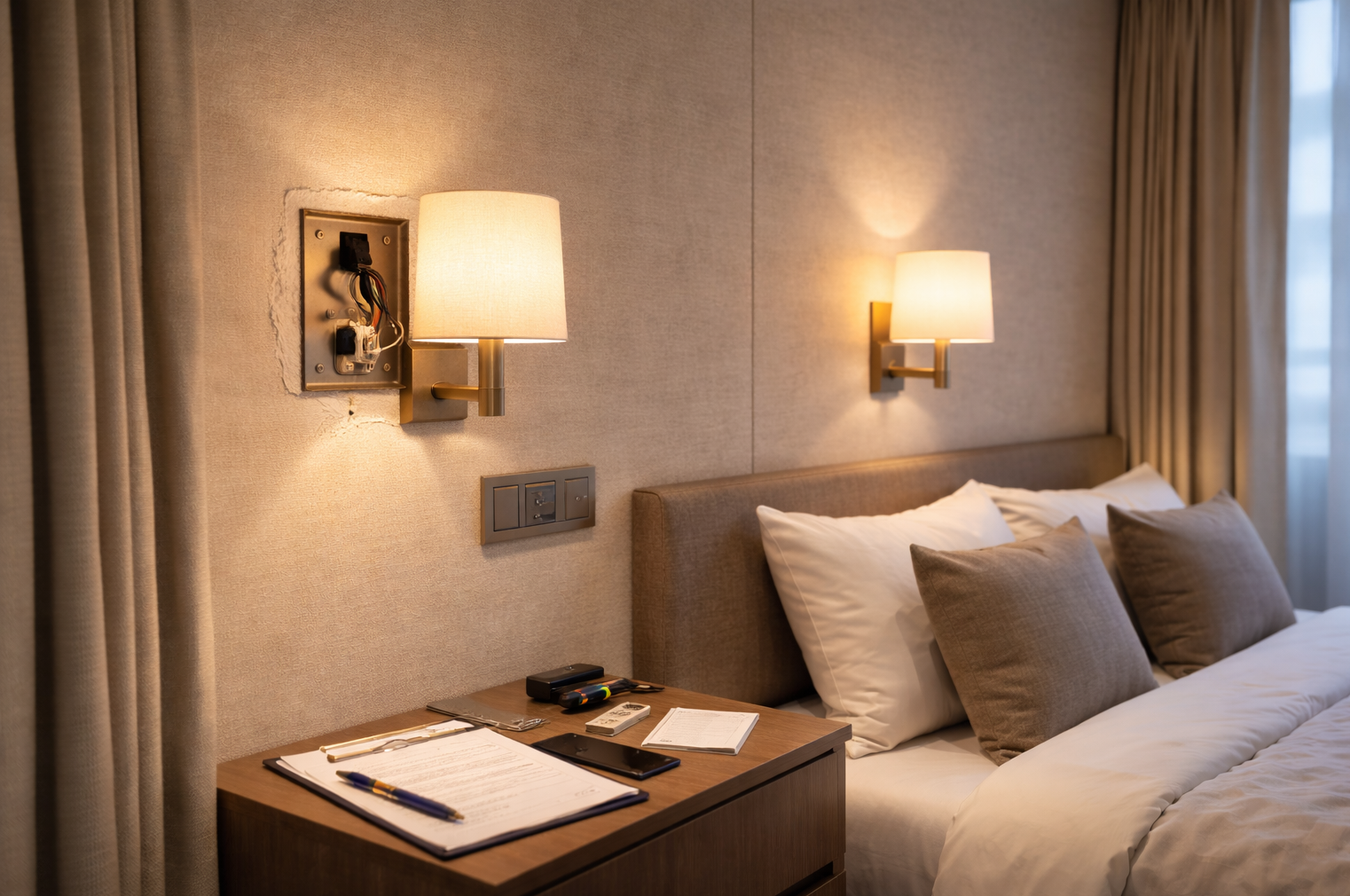 Hotel & Serviced Apartment Refresh: Check Circuits & Dimming Before Choosing Fixtures
 Why multi-stakeholder projects rush timelines but delay decisions
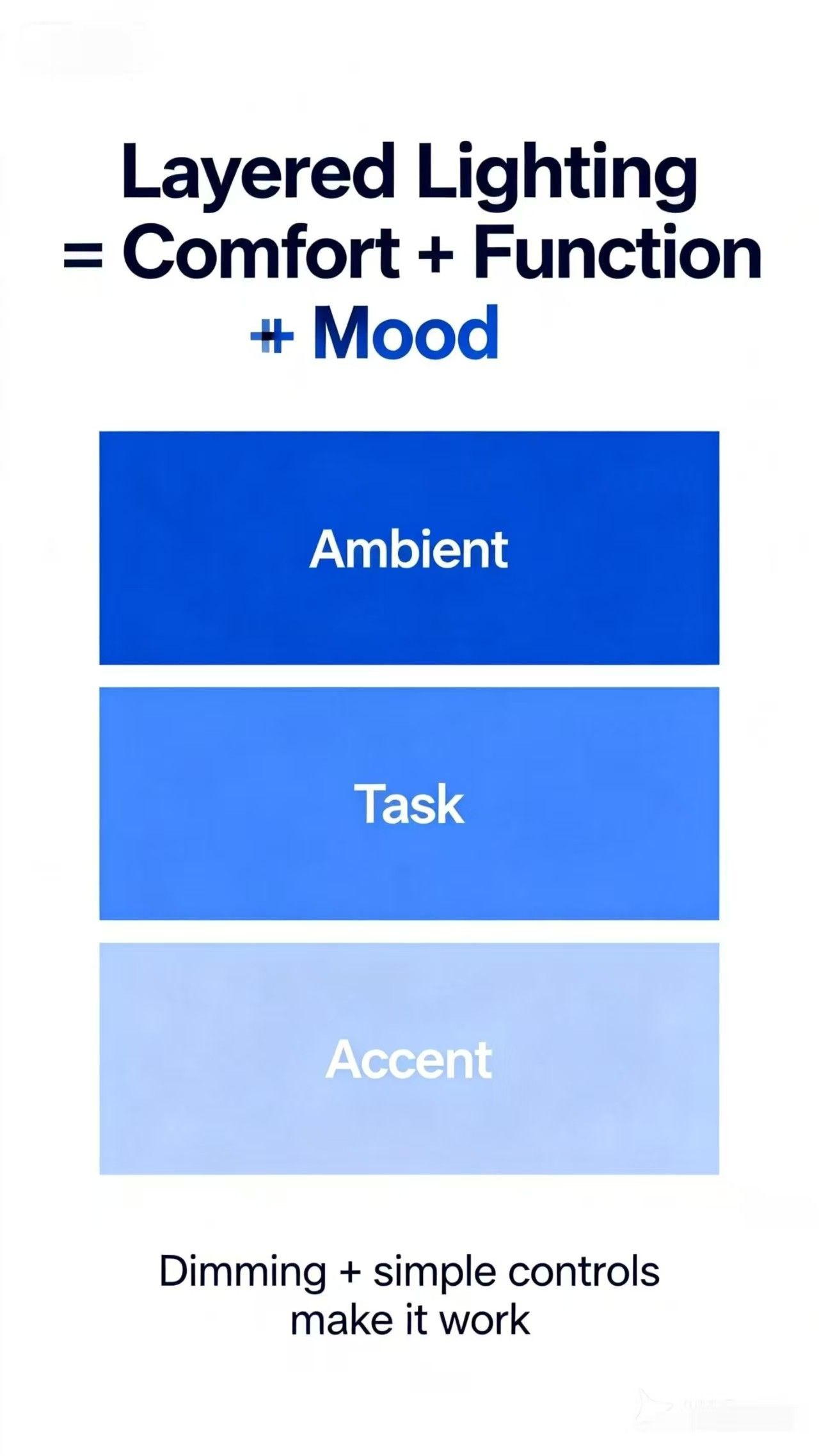 Layered Lighting 101: The Fastest Upgrade That Changes a Home