
Setting the Mood: The Art of Lighting in Fine Dining & Premium Hospitality
In the competitive world of premium hospitality, lighting is the unseen maître d'. It sets the stage before the first plate arrives, guides the emotional arc of the evening, and is the difference between a meal and a memorable experience. For restaurants and bars, lighting design is not a supporting act but a critical performance that influences perception, behavior, and ultimately, profitability. This guide delves into the art of using light to create intimacy, direct focus, and define character in food and beverage venues.
1. The Hierarchy of Light: Making the Diners the Stars
The fundamental rule of restaurant lighting is that the primary focal point must always be the diners and their table. Everything else is secondary. This is achieved through a stark contrast in light levels. The table should be an inviting, well-defined pool of light, while the surrounding ambient light—on walls, ceilings, and walkways—is kept significantly lower. This technique, known as “pool-of-light” lighting, performs multiple functions: it creates an intimate bubble for conversation, dramatically presents the food and wine, and effectively increases perceived privacy in an open space. The human eye is naturally drawn to the brightest area in its field of view; by making the table that area, you ensure guests feel like the main characters in their own dining story.
2. Intimacy & Flattery: The Psychology of Warmth and Shadow
Creating a sense of intimacy is paramount. This is governed by two key principles: color temperature and direction. Warm white light (2700K to 3000K) is non-negotiable. It mimics candlelight and firelight, triggering subconscious associations with comfort, relaxation, and sociability. Cool white light feels sterile, transactional, and is deeply unflattering to skin tones and food.
Equally critical is avoiding harsh, direct overhead downlights that cast unflattering shadows on faces—the infamous “raccoon eyes” effect. Light should reach the table from an angle, ideally through fixtures with diffusers or from pendant lights hung at an appropriate height. The goal is to illuminate the horizontal plane of the table while allowing the vertical planes of guests’ faces to be lit softly, often by light reflected off the white tablecloth or from supplemental wall sconces.
3. Fixture as Decor: The Jewelry of the Space
In a restaurant, every fixture is a decorative statement that reinforces the brand’s narrative. The choice between a grandiose crystal chandelier, a cluster of industrial-style pendants, or handcrafted ceramic sconces defines the space’s personality. Placement is strategic: a central chandelier defines the room’s heart; linear pendants over a bar or banquette guide sightlines; wall sconces provide layers of perimeter light and architectural interest. The fixtures themselves become landmarks, aiding in wayfinding and contributing to the overall aesthetic tapestry. They must be beautiful when off and perfectly functional when on, with their light output carefully engineered to serve the hierarchical lighting plan.
4. The Bar Zone: Energy, Glamour, and Social Catalyst
The bar area operates under a different psychological contract than the dining room. It is a space for social energy, casual interaction, and visual spectacle. Lighting here is brighter, more dynamic, and often more colorful. Key techniques include:
Backlit Shelving: Transforming the bottle display into a glowing, jewel-like backdrop. This not only highlights the product but also serves as a major source of ambient light.
Feature Lighting: Under-bar lighting that makes the bar top glow, highlighting the work of the mixologist. Statement pendants or low-hanging clusters over the bar create a social focal point.
Decorative & Dynamic Elements: The use of sculptural fixtures, integrated RGBW LEDs for subtle color washes (e.g., shifting from amber to rose for a sunset effect), or even theatrical moving lights in high-energy venues. The lighting should feel active and engaging, encouraging conversation and a sense of occasion.
5. The Control Imperative: The Unsung Hero of Ambiance
The most beautifully designed lighting scheme is useless without sophisticated, seamless control. A single, static light level cannot serve the multiple acts of a service—from daytime lunch to romantic dinner to late-night service. A premium lighting system requires:
Full-Range, Flicker-Free Dimming: The ability to smoothly transition light levels down to 1% without a pop, buzz, or flicker is essential for maintaining mood.
Zone-Based Scene Presets: Pre-programmed scenes (e.g., “Day,” “Evening,” “Service,” “Clean”) that adjust multiple zones of light (perimeter, table, bar, artwork) with a single command.
User-Friendly Interfaces: Simple, elegant wall panels or tablet-based controls that allow managers—not just technicians—to confidently orchestrate the ambiance. This control system is the conductor of the lighting orchestra, ensuring every scene is perfectly timed and executed.
Conclusion: Crafting Memories with Light
In fine dining and premium bars, lighting is a silent language that speaks directly to emotion. It is a strategic tool that frames the culinary art, fosters connection, and builds brand loyalty. By mastering the hierarchy of light, employing warmth and shadow, selecting fixtures with narrative intent, differentiating the bar’s energy, and insisting on flawless control, designers and operators can transform their venue from a place that merely serves food and drink into an unforgettable destination that creates lasting emotional resonance.
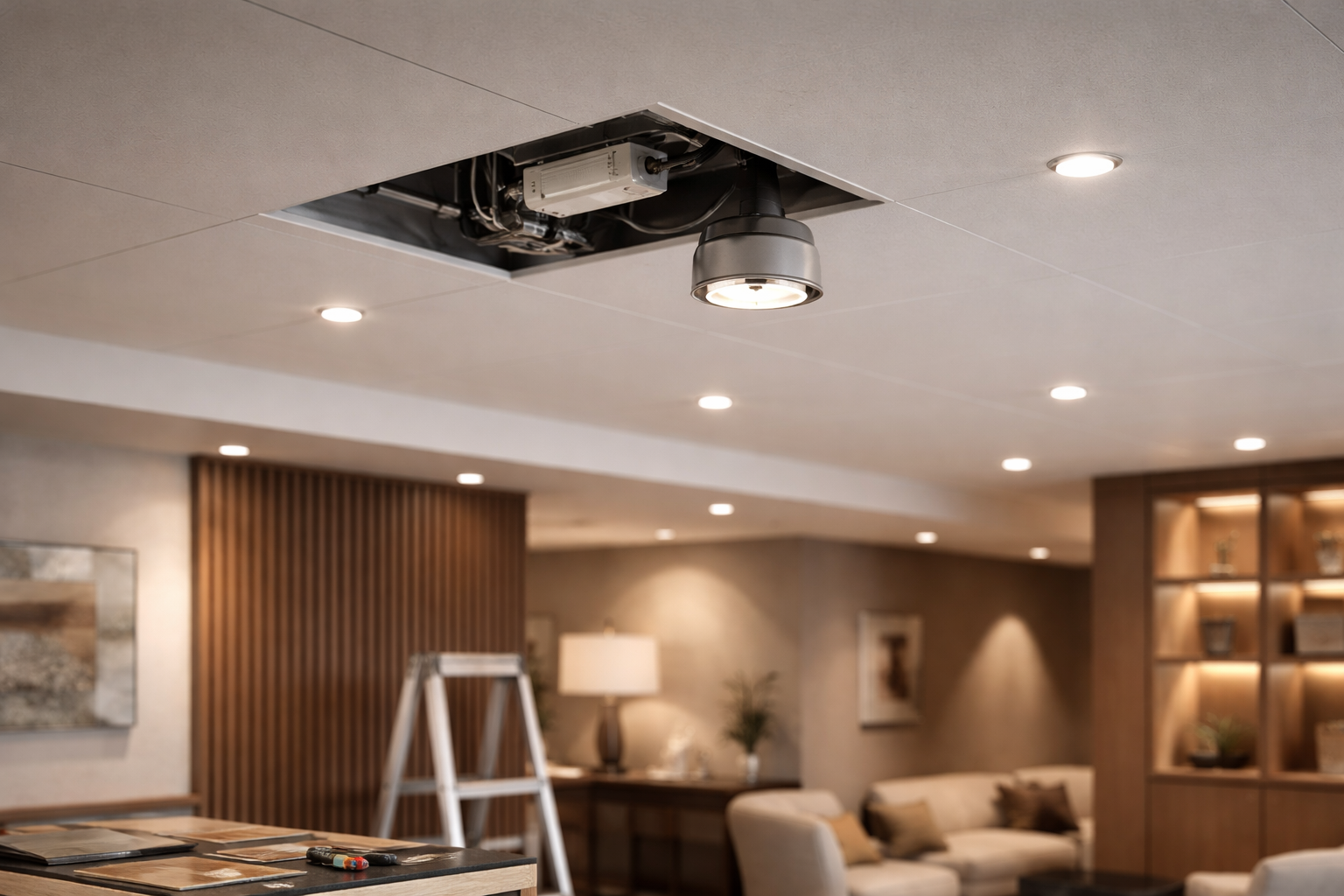 FM Lighting Replacements Without Guessing: Check Driver and Dimming Compatibility Before the Fixture Looks “Ready to Replace”
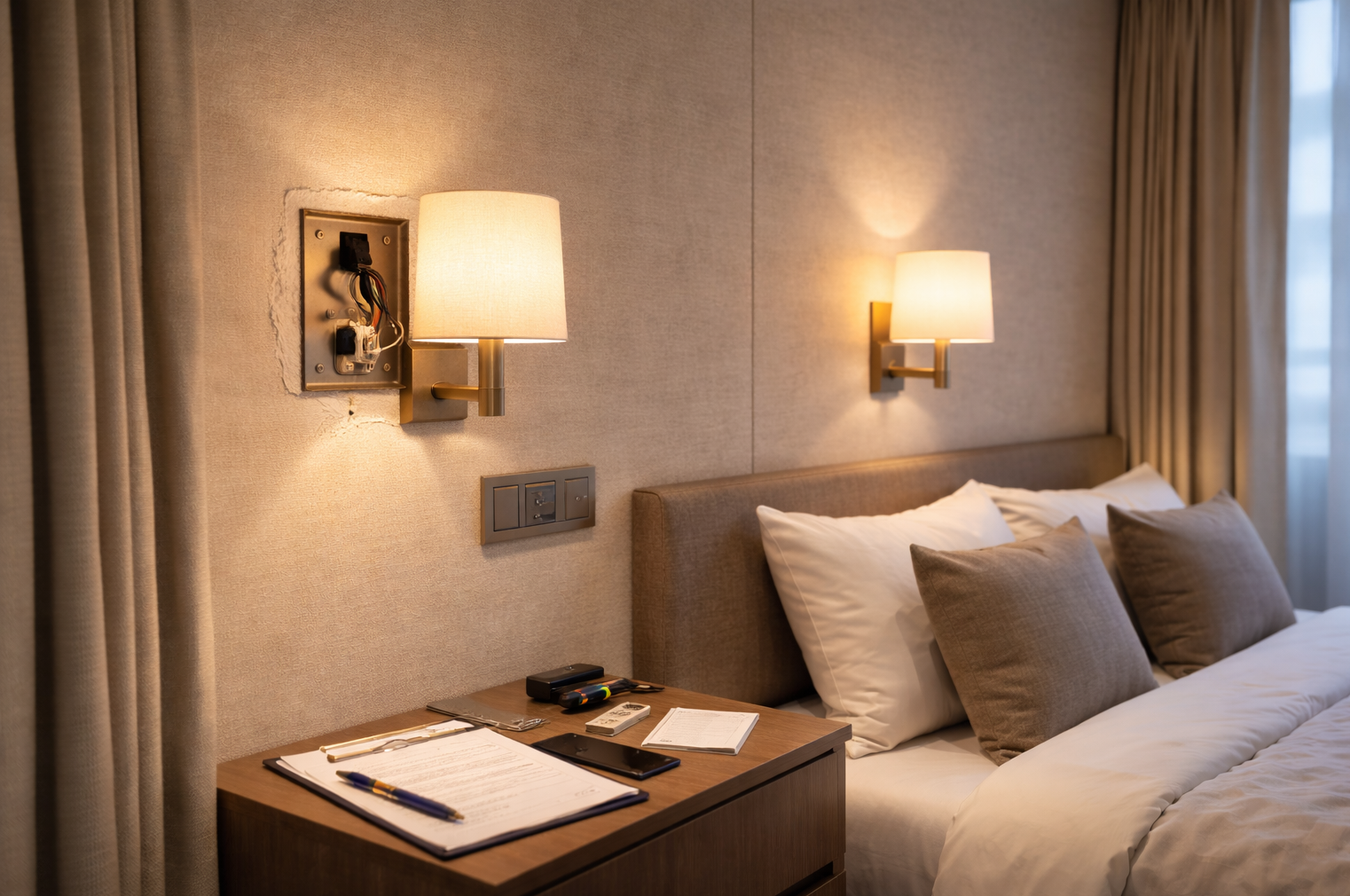 Hotel & Serviced Apartment Refresh: Check Circuits & Dimming Before Choosing Fixtures
 Why multi-stakeholder projects rush timelines but delay decisions
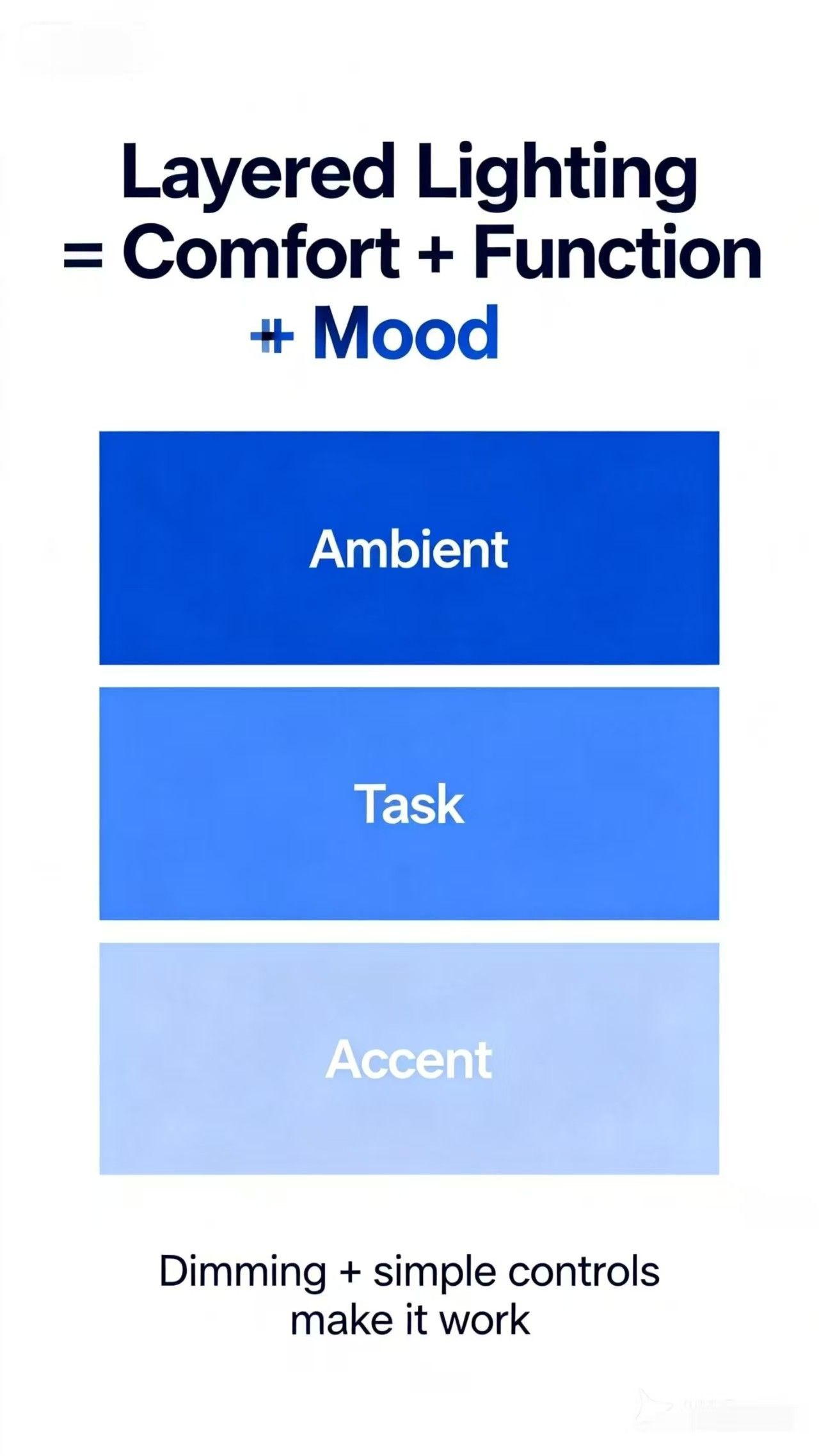 Layered Lighting 101: The Fastest Upgrade That Changes a Home