
Crafting the Journey: A Comprehensive Guide to Hotel Lighting from Lobby to Suite
Crafting the Journey: A Comprehensive Guide to Hotel Lighting from Lobby to Suite
In the world of luxury hospitality, light is the unseen yet essential concierge. It is the first to welcome, the constant guide, and the final touch that transforms a room into a sanctuary. More than mere visibility, hotel lighting is a sophisticated narrative tool that shapes emotions, reinforces brand identity, and elevates the guest experience from functional to unforgettable. This guide deconstructs the art and science of lighting across a luxury hotel's key zones, revealing how thoughtful illumination crafts a seamless and memorable journey.
The Grand Arrival: First Impressions Forged in Light
The guest's journey begins long before they cross the threshold. Lighting must orchestrate a seamless transition from the outside world into the hotel's unique realm.
Porte-cochère & Entrance: This is the overture. Lighting here must balance grandeur with clear wayfinding. Functional illumination ensures safety, while architectural accents highlight the building's form. The transition in color temperature is critical; using cooler light (around 4000K) at the exterior can help guests' eyes adapt, seamlessly blending with natural evening light before leading them inward. As seen in projects like the Aranya West Hotel, linear fixtures can define architectural lines, creating a dramatic and inviting approach.
The Lobby: The Heart of the Narrative. The lobby is where the brand story is fully revealed. Lighting must be layered, dynamic, and emotive. A central statement chandelier often serves as the visual anchor and a symbol of luxury. However, true sophistication lies in the details: discreet accent lights that make art glow, warm washes that make textured walls come alive, and carefully calibrated light at the reception desk that makes staff look approachable and tasks easy to complete. The goal is to avoid a flat, uniform "office" feel. As advocated by leading designers, the principle should be "the least lighting & the most appropriate lighting," ensuring visual comfort and a clean aesthetic by avoiding cluttered ceiling spots.
Reception & Waiting Areas: These zones require a blend of focus and relaxation. The reception counter demands slightly higher, shadow-free illumination for practical tasks, signaling importance and efficiency. In contrast, seating areas thrive on intimate, low-level lighting—from elegant table lamps or integrated LED coves—that encourages guests to pause and feel at home. The interplay of light and shadow here creates pockets of privacy within an open space.
The Guest Room Sanctuary: Intuitive, Restful, and Personal
The guest room is the climax of the journey, a private retreat where lighting must be flawlessly intuitive and deeply comforting. The philosophy shifts from public drama to personal well-being.
The Layer of Relaxation: Overhead lighting is used sparingly. Instead, a layered lighting scheme creates ambiance. This includes concealed coves of soft, indirect light for a gentle wash, wall-mounted reading sconces with adjustable arms for each side of the bed, and decorative floor lamps that add a residential touch. The color temperature universally shifts to a warm, calming 2700K-3000K to promote relaxation.
The Imperative of Control: Bedside master control is non-negotiable in luxury design. A guest should be able to light a path to the bathroom, adjust reading lights, and turn off all room lights without leaving the bed. This sense of effortless control is a key component of perceived luxury and comfort.
Task & Practicality: Dedicated, high-quality task lighting is essential. A proper reading light by the armchair, a focused light at the desk (with appropriate color rendering for work), and a well-lit closet are all expected. In the bathroom, the goal is flattering, even illumination. Vertical fixtures at the mirror's sides are vastly superior to a single downlight above, as they eliminate shadows on the face—a hallmark of thoughtful design.
Wellness Integration: The frontier of guest room lighting is Human Centric Lighting (HCL) or wellness lighting. Systems can subtly mimic the natural daylight cycle, offering energizing cooler light in the morning and gradually shifting to warmer tones at night, potentially aiding guest circadian rhythms and sleep quality.
Circulation Spaces: The Rhythm of Anticipation
Corridors and staircases are the connective tissue of the hotel experience. Poorly lit, they feel long and sterile; well-designed, they feel safe, interesting, and anticipatory.
Safety and Guidance: First and foremost, lighting must ensure clear, shadow-free navigation. Consistent, adequate light levels along the floor plane are essential. Wall sconces or recessed linear guides can effectively mark the path.
Atmosphere and Rhythm: To combat monotony, lighting should create rhythm. This can be achieved through a regular pattern of decorative fixtures, alternating pools of light, or accent niches that highlight art at intervals. The lighting in the corridor of the Aranya West Hotel, for example, integrates fixtures into the architectural material, creating a clean, intriguing progression.
Elevator Lounges: These small transitional spaces benefit from a sense of heightened arrival. Slightly more dramatic or artistic lighting here signals a shift between the public and private realms of the hotel.
Auxiliary Spaces: Tailoring Light to Purpose
Beyond sleep, hotels cater to rejuvenation and activity. Lighting must adapt its character to each specialized function.
Spa & Wellness Areas: Here, light is therapeutic. It is uniformly soft, diffuse, and devoid of glare. Indirect lighting, fiber-optic "starry sky" ceilings (like the stunning effect in the J Hotel pool), and chromatherapy features in treatment rooms are common. The atmosphere should promote deep relaxation and a sense of detachment.
Fitness Center: Lighting needs to energize and ensure safety for movement. Bright, even, and shadow-free illumination with high color rendering is key. Modern facilities often incorporate dynamic lighting that can shift from a cool, invigorating mode for morning workouts to a more relaxed tone in the evening.
Restaurants & Bars: Lighting defines the culinary experience. A fine-dining restaurant requires intimate, focused light on tables with low ambient levels, often achieved with adjustable spotlights and decorative pendants. A lobby bar or all-day dining might use a mix of pendant clusters and integrated lighting within shelves to create a vibrant, social atmosphere. As seen in projects like the Ba'ra Hotel, using 2700K light and targeted accenting on tables is a fundamental principle.
The Nighttime Identity: Architecture in a New Light
When the sun sets, the hotel's exterior lighting takes center stage, transforming the building into a beacon and extending the brand story into the cityscape.
Architectural Facade Lighting: This is not about flooding the building in light, but about sculpting it. Grazing light reveals texture, uplighting emphasizes vertical lines, and silhouetting creates drama. The goal is to highlight the hotel's unique architecture with nuance and respect, as demonstrated in the tailored approach to the Ba'ra Hotel's wooden facade.
Landscape & Pathway Lighting: Exterior lighting guides guests through gardens, terraces, and to water features safely while creating magical nocturnal scenes. Subdued, carefully placed fixtures avoid light pollution, instead drawing the eye to specific landscape elements and creating inviting pockets of outdoor space.
Conclusion: The Integrated Symphony
Ultimately, exceptional hotel lighting is an integrated symphony, not a collection of isolated fixtures. From the dazzling first impression to the restful guest room and the evocative nighttime silhouette, every beam of light is a deliberate choice contributing to a cohesive story. It requires a deep collaboration between designers, engineers, and hoteliers, guided by authoritative frameworks like the IES Recommended Practice for Lighting Hospitality Spaces. In luxury hospitality, where competition is fierce, mastering this silent language of light is what forges not just a stay, but a lasting memory.
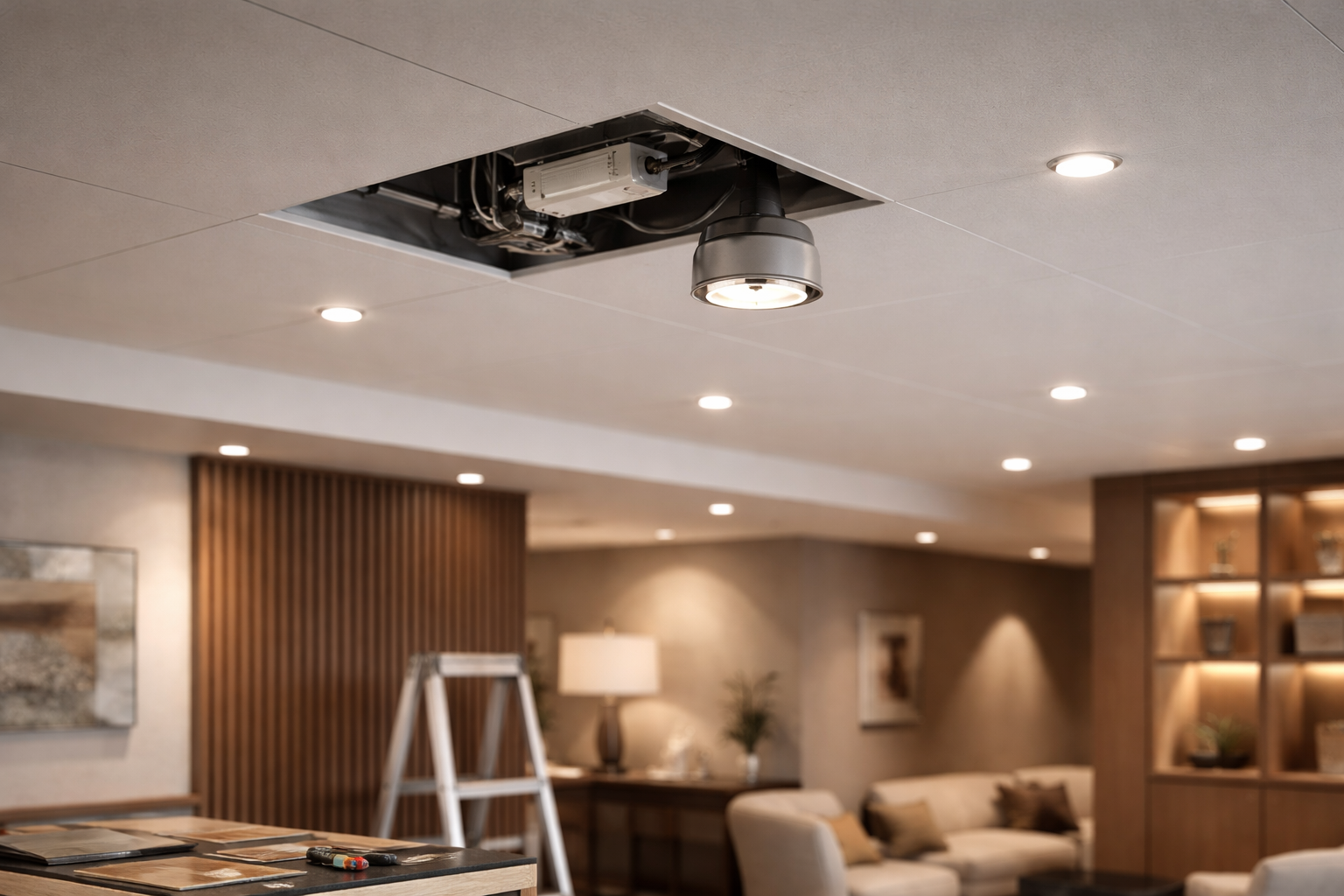 FM Lighting Replacements Without Guessing: Check Driver and Dimming Compatibility Before the Fixture Looks “Ready to Replace”
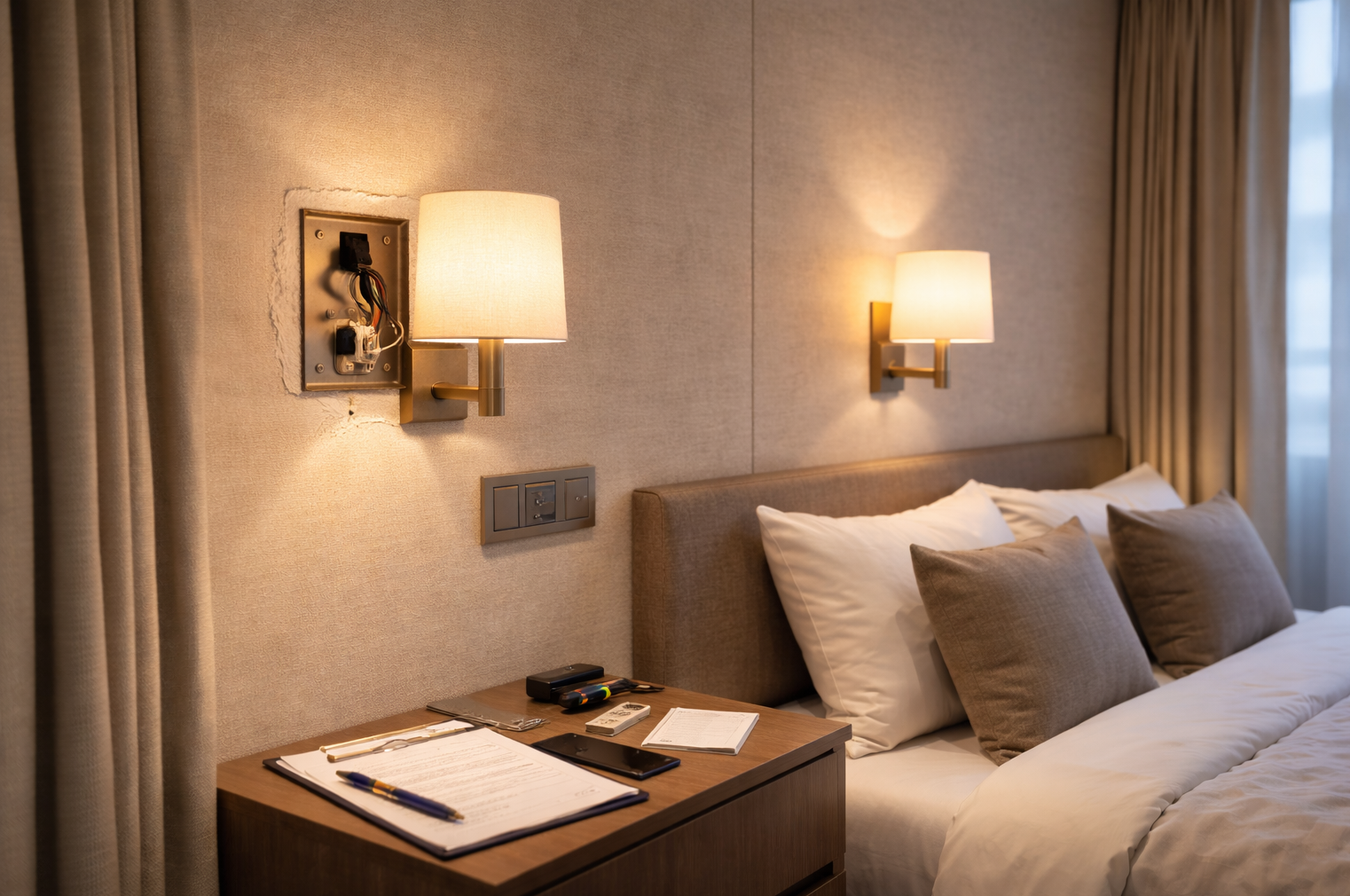 Hotel & Serviced Apartment Refresh: Check Circuits & Dimming Before Choosing Fixtures
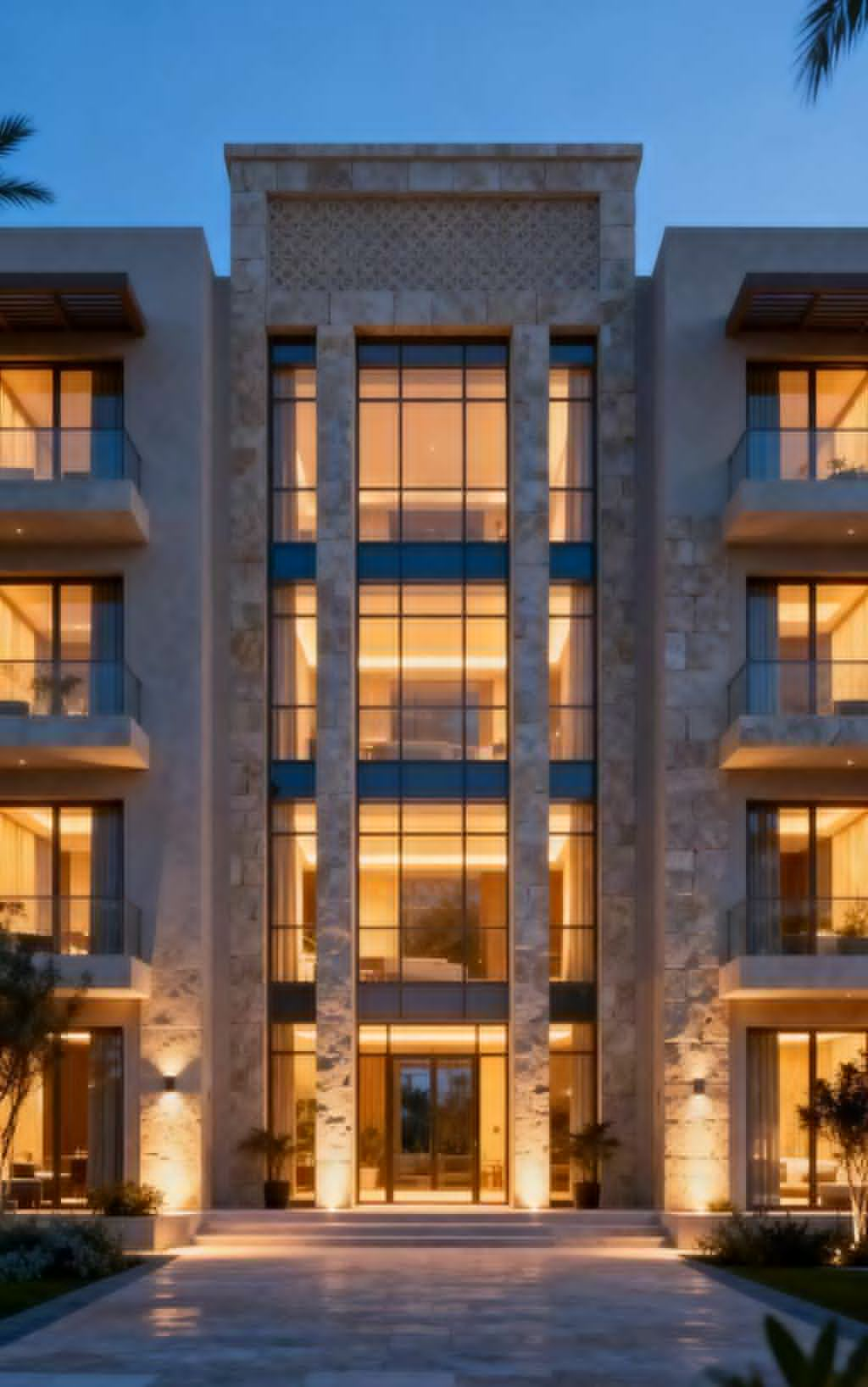 Why multi-stakeholder projects rush timelines but delay decisions
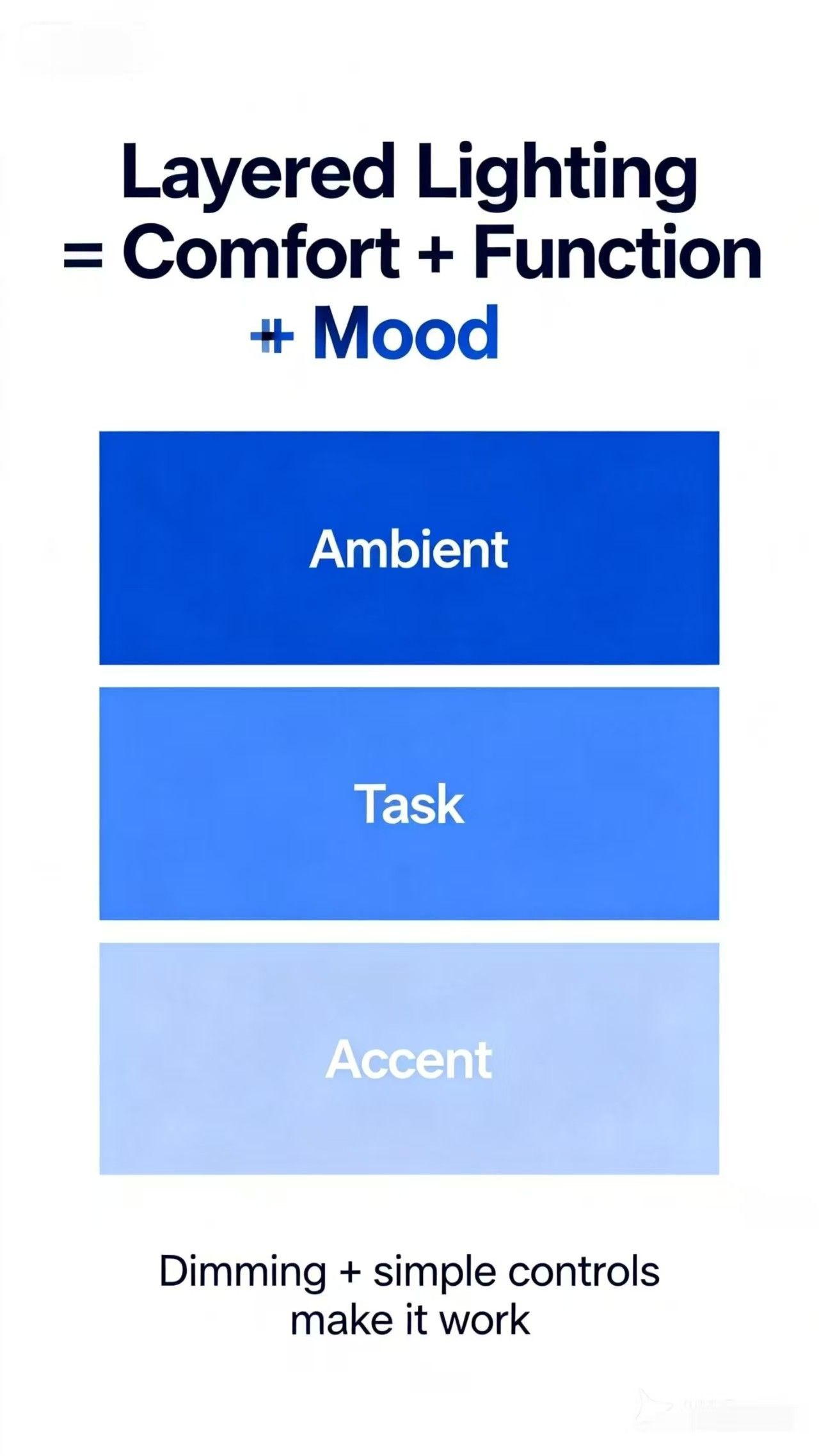 Layered Lighting 101: The Fastest Upgrade That Changes a Home