
Lighting as a Salesperson: Masterclass in Luxury Retail & Boutique Lighting
Introduction: Beyond Illumination, Into Persuasion
In the competitive arena of luxury retail, every element within a boutique must work in concert to seduce, reassure, and ultimately, convert. Among these, lighting is the most potent yet underutilized tool. It is the silent salesperson, the invisible stylist, and the psychological architect of desire. More than just revealing a product, premium lighting defines its value, crafting an environment where exclusivity is felt, quality is unquestioned, and the act of browsing becomes an aspirational journey. This masterclass dissects how strategic lighting design transforms a retail space into a gallery of desire, directly influencing perception, dwell time, and purchasing decisions.
Part 1: The Psychology of the Luxury Shopper: Crafting an Experience of Exclusivity and Trust
The luxury shopper does not merely seek an item; they seek an affirmation of identity, quality, and status. The lighting environment must psychologically cater to this quest.
Creating Exclusivity & Focus: A democratically, evenly lit space feels public and generic. Luxury thrives on contrast and hierarchy. Strategic pools of light against a darker, ambient backdrop instantly create a sense of intimacy and privilege. It tells the customer, "What is illuminated here is special and worthy of your undivided attention." This focused approach reduces visual noise, allowing the mind to concentrate on the product narrative without distraction.
Building Trust Through Revelation: Suspicion is the enemy of luxury. Poor, shadowy lighting can obscure details and hint at something to hide. Conversely, lighting that reveals truth builds immense trust. When the weave of a fabric, the facets of a gemstone, or the patina of leather are rendered with impeccable clarity and richness, it communicates transparency and supreme confidence in the product's quality. The customer feels they are seeing the complete, unadulterated truth of the item.
Slowing Time & Encouraging Exploration: Harsh, uniform lighting can feel transactional and rushed. A layered, dynamically lit space with varying light levels invites exploration. It encourages the shopper to move through a curated journey—from a brighter, welcoming entrance, into darker, more intimate alcoves, past dramatically highlighted feature displays. This manipulation of light and shadow slows the pace, increases dwell time, and makes the experience feel more like a personal discovery than a commercial exchange.
Part 2: The Holy Trinity: CRI, Beam Control, and Glare Management
The emotional impact of retail lighting is built upon a non-negotiable technical foundation. Compromise here directly diminishes perceived value.
Color Rendering Index (CRI): The Arbiter of Truth For luxury goods, color is identity. A red must be passionately crimson, a sapphire must hold its deep oceanic blue, and skin tones under jewelry must look naturally radiant. Standard LEDs with a CRI of 80 will make colors appear dull, flat, and inaccurate.
The Standard: CRI 90+ is the absolute baseline for luxury retail.
The Goal: CRI 95+ (with a high R9 value for vibrant reds) is the professional standard for jewelry, fashion, and cosmetics. This ensures the spectral output of the light faithfully replicates the full, rich color spectrum of natural daylight, making every hue and texture look its absolute best.
Precision Beam Control: The Sculptor's Tool Light must be directed with intention. The beam angle—the spread of light from a fixture—determines how a product is framed and emphasized.
Very Narrow Spot (10°-15°): Creates a tight, dramatic "pinpoint" of light. Ideal for highlighting a single, precious item like a solitaire diamond or a watch in a case.
Narrow/Medium Flood (24°-36°): The workhorse for displays. Perfect for illuminating a handbag on a pedestal, a curated collection of scarves on a wall, or a mannequin's outfit.
Adjustability: Gimbal or track-mounted spotlights that allow for post-installation aiming are essential. This flexibility lets visual merchandisers re-sculpt the light with every new display.
Glare Management: The Mark of Sophistication Nothing shatters an illusion of luxury faster than being blasted in the eye by a bare LED source. Glare is visual pollution that causes discomfort and forces the customer to look away.
The Solution: Fixtures must incorporate advanced optical systems. Deeply regressed light sources, internal baffles, and especially honeycomb louvers are critical. These micro-louvers act as thousands of tiny tunnels, allowing controlled light to pass downward while blocking all off-axis views of the bright LED chip itself. The result is a product that appears to glow from within, without the source ever being seen.
Part 3: Lighting the Merchandise: Techniques for Every Display
Different products and display methods demand tailored lighting strategies.
Glass Display Cases: The primary challenge is eliminating reflections of the ceiling or the customer on the glass. The optimal solution is to integrate the lighting within the case structure itself. Linear LED strips hidden in coves at the front or rear of shelves provide even, shadow-free illumination. For individual items, tiny, focused pinhole LEDs can be integrated into the case framework. Always ensure the light source is completely hidden from the customer's direct view.
Wall Displays & Shelving: The goal is even, vertical illumination. Wall-washing with asymmetric beam fixtures placed close to the wall ensures light is distributed evenly from top to bottom, eliminating hot spots. For open shelving, discreet linear LED strips under the front edge of each shelf can graze the products on the shelf below, creating depth and highlighting texture.
Mannequins & Free-Standing Displays: These are three-dimensional sculptures and must be lit as such. A single overhead light creates harsh shadows under the chin and arms. The professional approach uses multiple fixtures from different angles. A key light from above and slightly in front defines the form, while a softer fill light from a lower angle minimizes shadows. This adds dimensionality and makes the clothing look dynamic and alive.
Table Displays & Tops: Avoid a single downlight directly above, which can create a "hot spot" in the center. Use a medium-beam accent light from a 30-45 degree angle to skim across the surface, revealing textures (like the grain of leather goods) and creating modeling shadows that give objects form.
Part 4: Architectural Ambiance: The Balancing Act
The dazzling accent lights are only half the story. They must be set against a carefully considered ambient background.
The Ambient Layer: This is the foundational light that fills the space, allows for safe navigation, and provides visual rest. It should be soft, diffuse, and utterly glare-free. Techniques include:
Indirect Cove Lighting: LED strips hidden in ceiling coves or on top of architectural features, bouncing light off the ceiling to create a gentle, overall glow.
Perimeter Wall Washing: Illuminating walls evenly makes the space feel larger and brighter without directing light into eyes.
Decorative Diffused Fixtures: Soft, sculptural pendants or sconces that provide a low level of ambient light while serving as aesthetic elements.
The Balance: The contrast ratio between the brightly lit accent areas (the merchandise) and the ambient surroundings is key. A high ratio (e.g., 10:1) creates intense drama and focus. A lower ratio (e.g., 5:1) feels more relaxed and approachable. The chosen ratio must reflect the brand's personality—is it edgy and exclusive, or warm and welcoming?
Part 5: The Storefront as a Stage: 24/7 Window Display Lighting
The window display is the most important advertisement, working day and night. Its lighting must adapt.
Daytime Strategy: The enemy is ambient daylight, which can wash out display lighting. Fixtures must be high-output to compete. Focus on creating strong contrast and shadow to make displays "pop" from the sidewalk. Cooler color temperatures (4000K) can sometimes stand out better against warm daylight.
Nighttime Strategy: With no competition, lighting becomes about storytelling and atmosphere. This is the time for drama, color, and dynamism. Use warmer tones (2700K-3000K) for a welcoming feel. Introduce programmable RGBW LED systems to create captivating color-changing scenes, or use motorized moving heads for dynamic effects.
Technology & Control: A sophisticated window display is controlled by a programmable timer or astronomical clock. It should have multiple scenes: a bright, attention-grabbing daytime scene, an elegant evening scene, and a dramatic after-hours scene that keeps the brand image alive all night long. All fixtures must be completely hidden from the viewer's sightline to maintain the magic.
Conclusion: The Return on Light
Investing in masterful luxury retail lighting is not an aesthetic luxury; it is a commercial imperative. It is an investment that pays dividends in heightened brand perception, increased customer engagement, longer dwell times, and ultimately, a stronger bottom line. By understanding the psychology of the shopper, mastering the technical trinity of light quality, and applying precise techniques to every display, you empower light to become your most effective, eloquent, and persuasive salesperson.
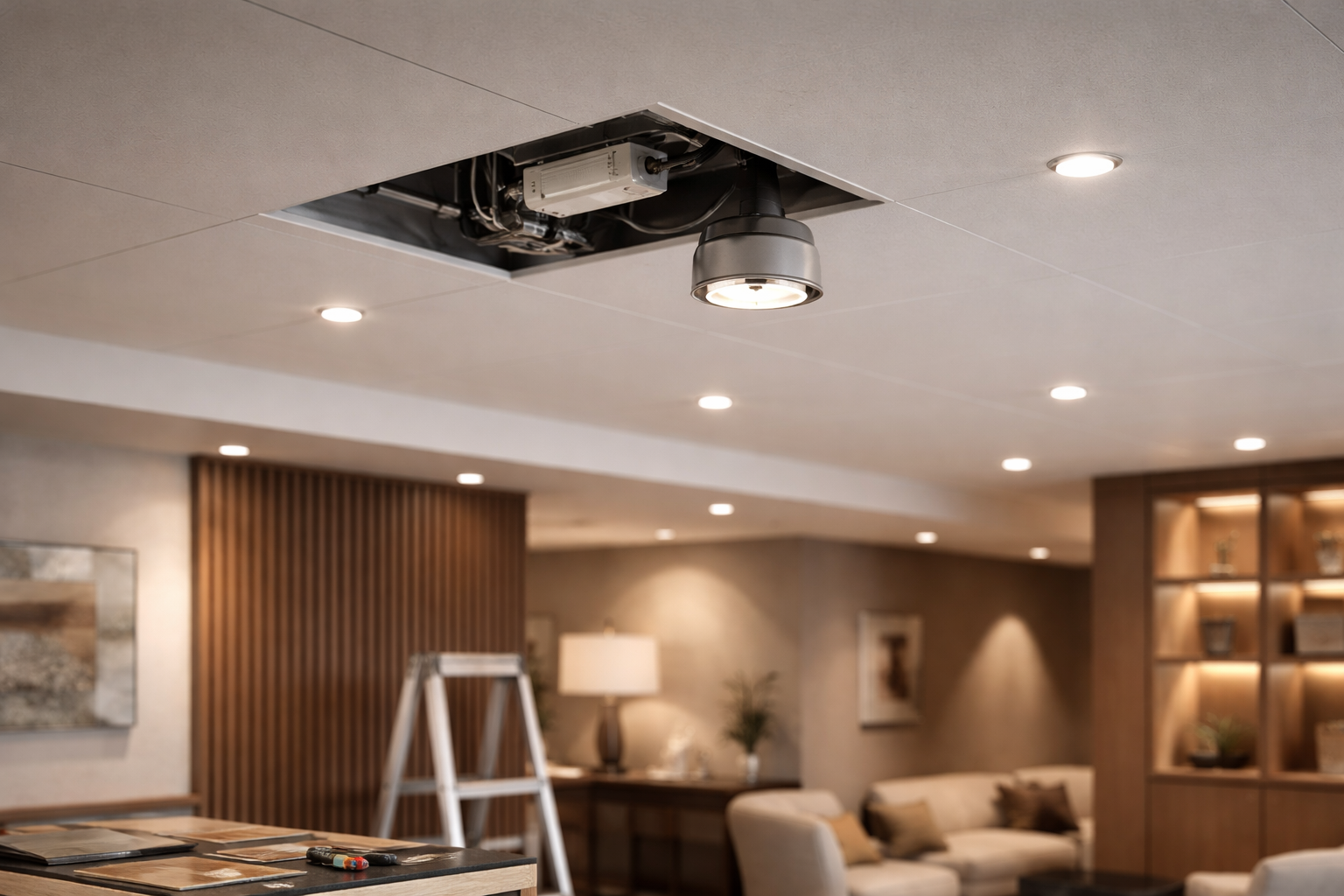 FM Lighting Replacements Without Guessing: Check Driver and Dimming Compatibility Before the Fixture Looks “Ready to Replace”
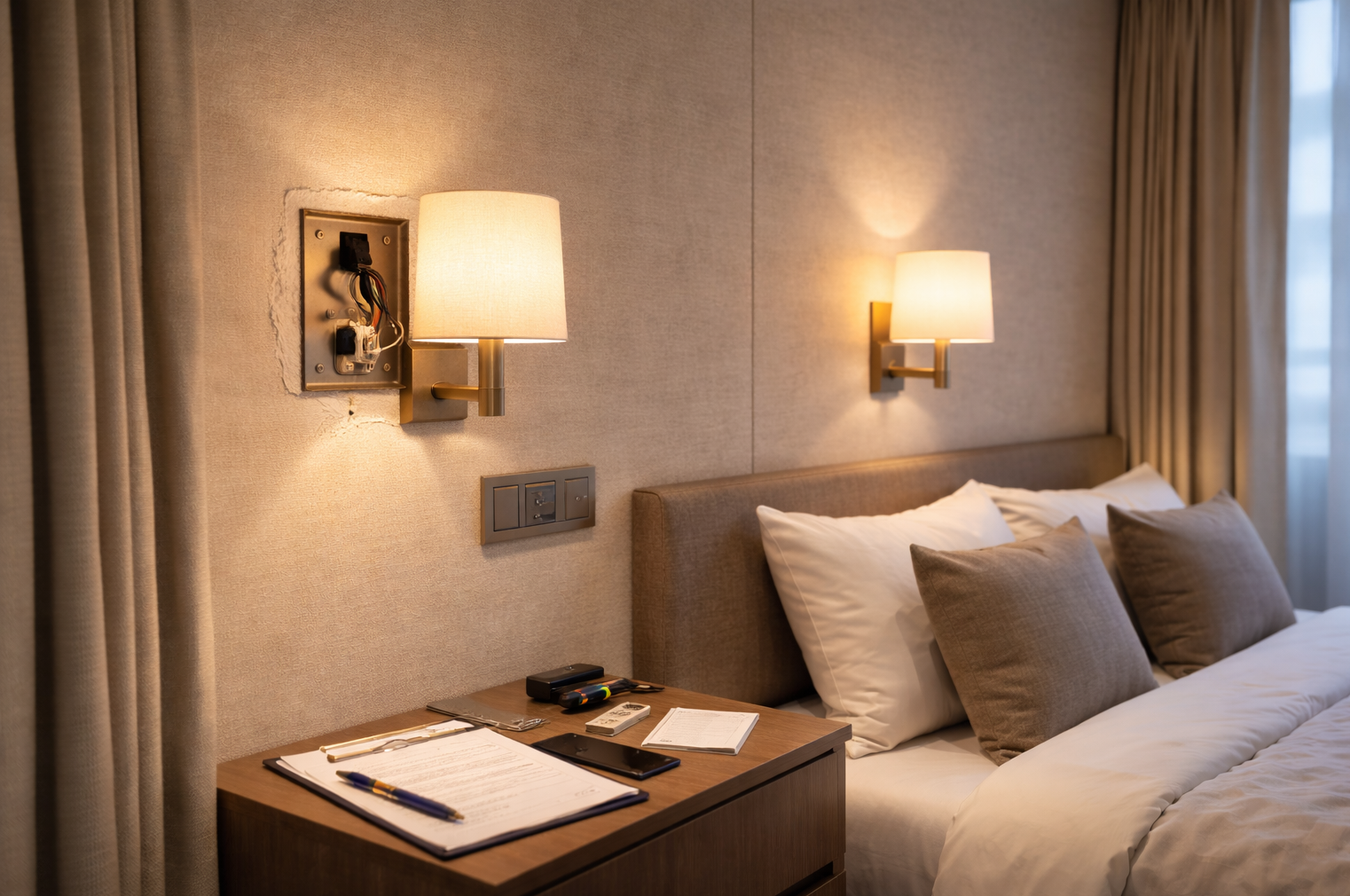 Hotel & Serviced Apartment Refresh: Check Circuits & Dimming Before Choosing Fixtures
 Why multi-stakeholder projects rush timelines but delay decisions
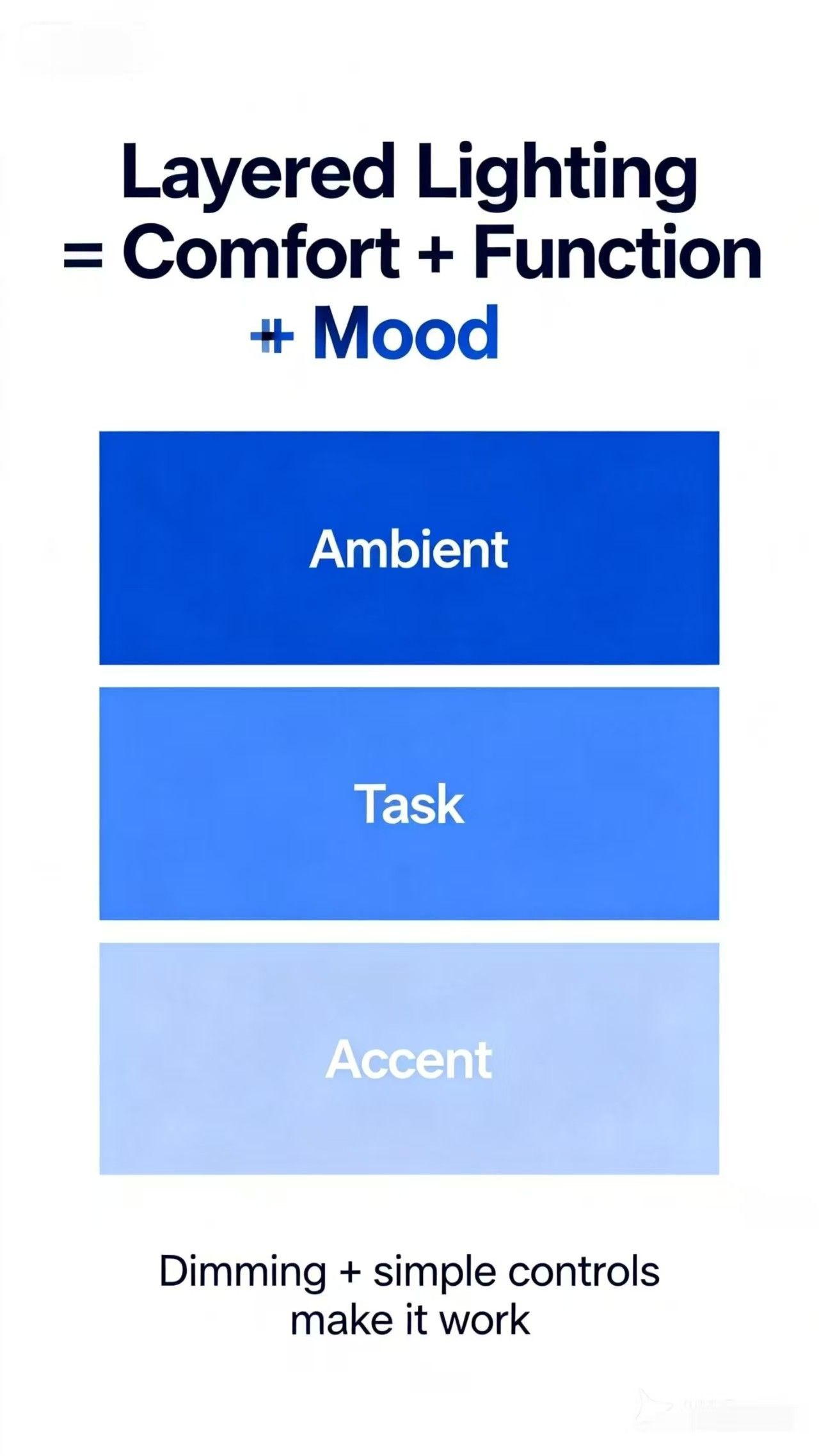 Layered Lighting 101: The Fastest Upgrade That Changes a Home