
The Philosophy of Luxury Lighting: Designing Emotion & Experience in High-End Spaces
Introduction: Beyond Illumination
In the realm of high-end hospitality, retail, and dining, lighting is no longer a technical afterthought. It is the invisible architect of atmosphere, the silent narrator of the brand story, and the key to unlocking emotional resonance. This article posits that luxury lighting design is, first and foremost, a psychological and experiential discipline, where the quality of light matters infinitely more than the quantity.
I. Light as a Storyteller
Crafting Narrative: How a luxury hotel uses a gradually unfolding lighting sequence from the dramatic porte-cochère, through the intimate lobby, to the serene corridor, telling a story of arrival, welcome, and retreat.
Material Revelation: Using light to accentuate textures—the grain of marble, the weave of silk, the polish of brass—making premium materials sing.
Rhythm and Pacing: Creating visual rhythm through alternating pools of light and shadow to guide movement and create moments of discovery.
II. The Emotional Palette of Light
Color Temperature & Mood: The psychological impact of warm vs. cool light; why a 2700K golden glow is chosen for a cozy lounge while a 4000K crisp white defines a luxury showroom.
Dynamic Scenes: How pre-programmed lighting scenes (e.g., "Morning Energize," "Evening Cocktail," "Night Ambiance") allow a single space to transform its emotional output throughout the day.
III. The Principles of Experiential Layering
Ambient Layer: The foundational, shadow-free base light. Often indirect, from coves or wall washers.
Task Layer: Focused, glare-controlled light for specific functions (e.g., front desk, reading nook).
Accent Layer: The drama creator. Highlights art, architectural features, or merchandise with precision spotlights (CRI >90, adjustable beams).
Decorative Layer: The literal "jewelry"—statement chandeliers, sculptural sconces that serve as art objects themselves.
IV. Perception Over Photometrics
The Myth of Uniform Brightness: Why a lux reading is irrelevant if the emotional goal is a cozy, intimate den. The strategic use of darkness is as important as light.
Visual Comfort is Paramount: The absolute necessity of eliminating glare, flicker, and harsh shadows through advanced optics (louvres, baffles) and meticulous aiming.
Conclusion: The Invisible Hand of Luxury
Ultimately, successful luxury lighting design is felt, not seen. It withdraws itself, leaving behind only an enhanced sense of place, material beauty, and emotional well-being. It is the critical, often subconscious, element that justifies premium positioning and turns a space into a destination.
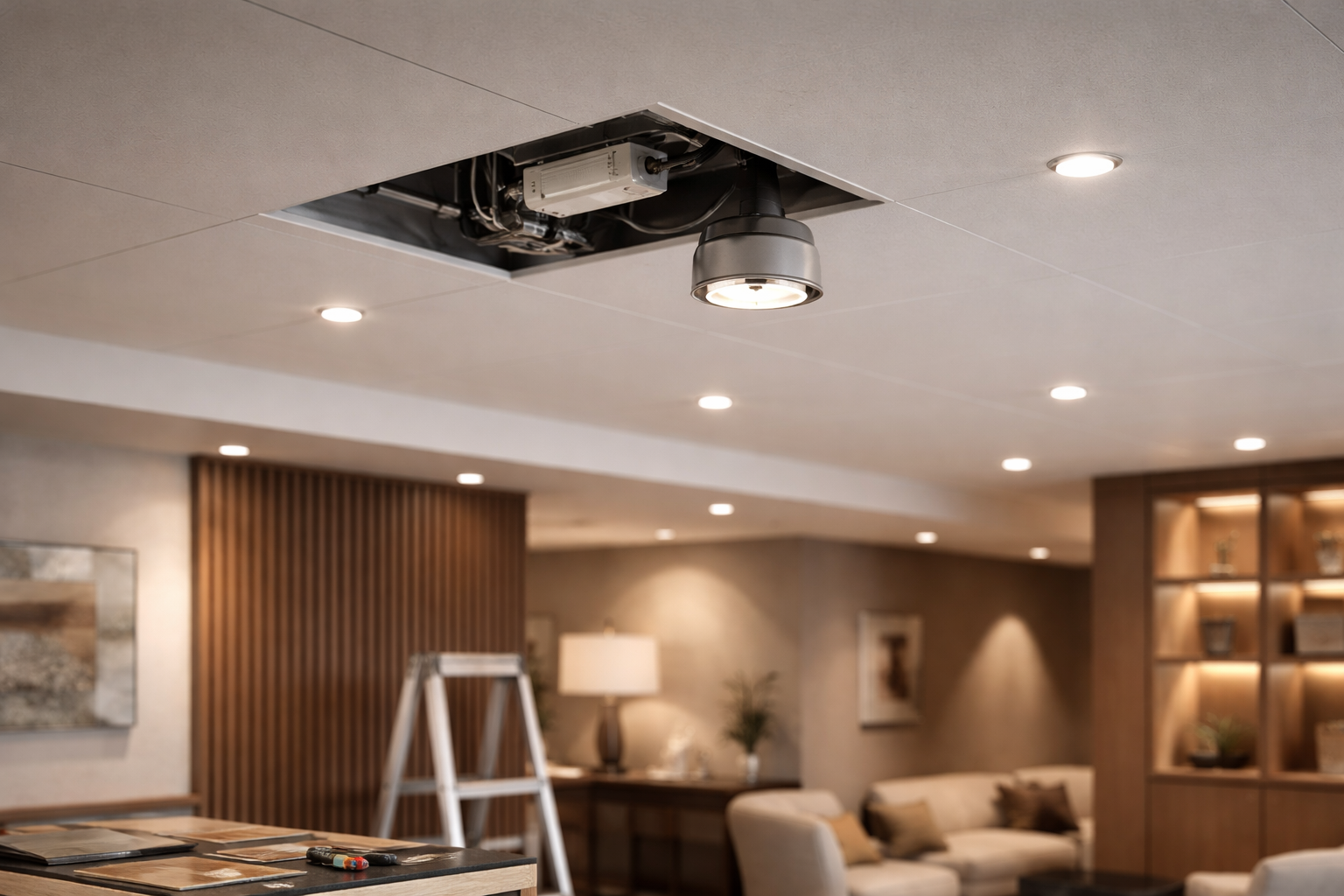 FM Lighting Replacements Without Guessing: Check Driver and Dimming Compatibility Before the Fixture Looks “Ready to Replace”
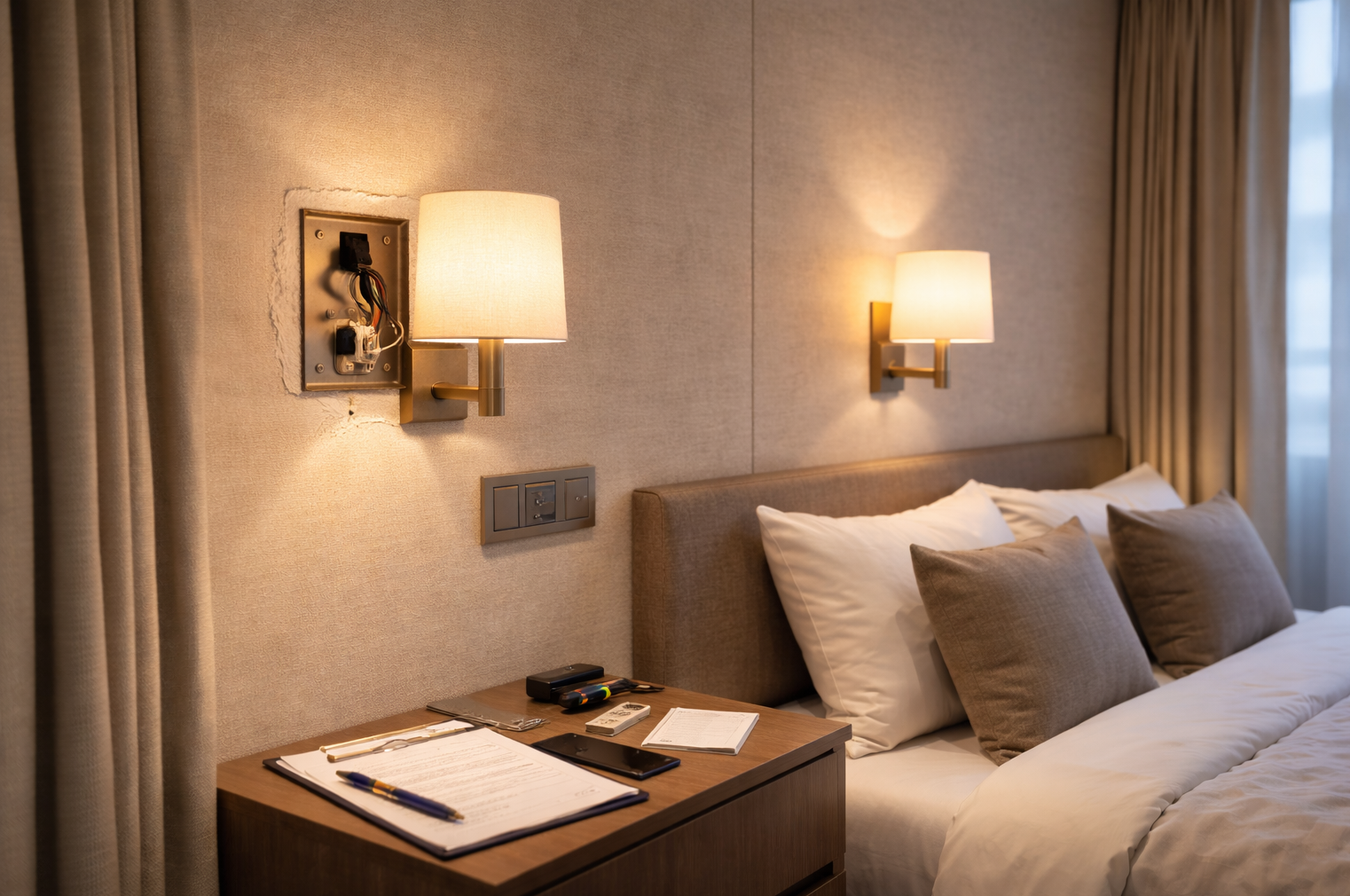 Hotel & Serviced Apartment Refresh: Check Circuits & Dimming Before Choosing Fixtures
 Why multi-stakeholder projects rush timelines but delay decisions
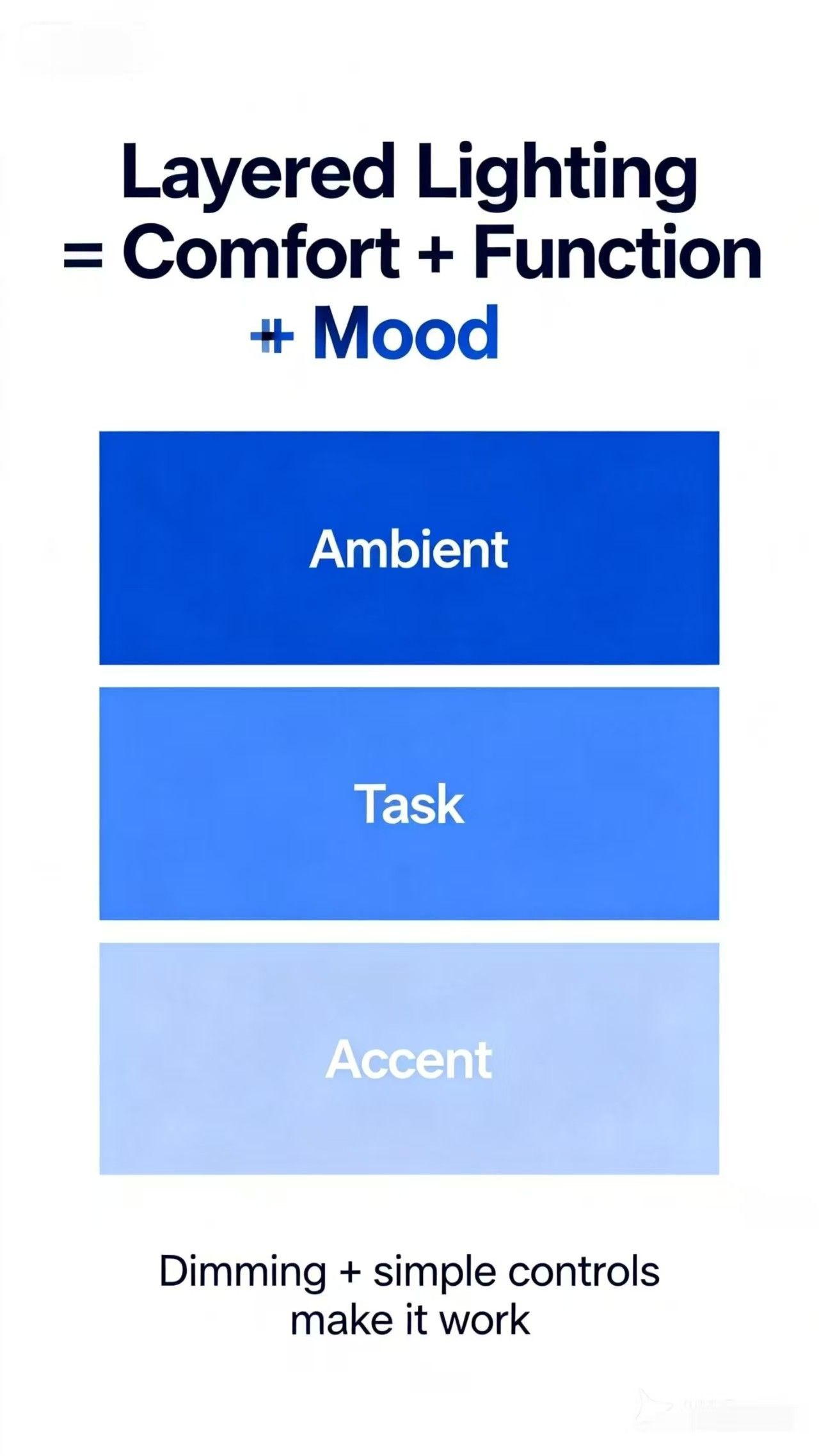 Layered Lighting 101: The Fastest Upgrade That Changes a Home