
Light as Medicine: Exploring Light Therapy for Sleep, Mood, and Circadian Disorders
Introduction: Prescribing Light
While Human Centric Lighting optimizes our general environment, light therapy takes a more targeted, clinical approach. It uses devices that deliver light of specific intensity and spectral composition at scheduled times to directly treat medical conditions and regulate bodily functions. It’s one of the most practical applications of photobiology.
Chapter 1: The Champion of Light Therapy: Treating Seasonal Affective Disorder (SAD)
SAD is a type of depression that follows a seasonal pattern, typically occurring in fall and winter due to reduced natural light exposure.
How it Works: A light therapy box emits very bright light (typically 10,000 lux) that mimics natural outdoor light. The user sits in front of it for 20-60 minutes soon after waking.
The Mechanism: This morning exposure suppresses melatonin production later in the day and is believed to increase serotonin activity, effectively “tricking” the brain into thinking it’s a longer, brighter summer day, thereby alleviating depressive symptoms for many individuals.
Device Specifications: Look for boxes that filter out ultraviolet (UV) light, provide a diffused screen to minimize glare, and have a large enough surface area.
Chapter 2: Resetting the Internal Clock: Circadian Rhythm Sleep Disorders
Light is the primary “zeitgeber” (time-giver) for our internal clock. Therapy uses timed light exposure to shift this clock.
For Delayed Sleep Phase Disorder (DSPD): Individuals are “night owls” whose natural sleep time is significantly later than societal norms. Morning light therapy helps advance their clock to an earlier sleep time.
For Advanced Sleep Phase Disorder (ASPD) & Shift Work: Evening light exposure can be used to delay the clock for those who fall asleep too early or need to stay alert during night shifts.
For Non-24-Hour Sleep-Wake Disorder (Non-24): Common in totally blind individuals, this disorder involves a constantly drifting sleep schedule. Carefully timed light therapy (or melatonin) is the primary treatment to try to entrain the free-running rhythm.
Chapter 3: Beyond Mood and Sleep: Emerging Research
The applications of light therapy are expanding:
Dementia Care: Morning light therapy in nursing homes has been shown to improve sleep quality, reduce sundowning agitation, and stabilize mood in patients with Alzheimer's disease.
Skin Conditions: Narrowband UVB phototherapy is a standard, effective treatment for psoriasis, vitiligo, and eczema.
Wound Healing and Pain: Low-level light therapy (LLLT) or photobiomodulation using red or near-infrared light is being studied for its potential to reduce inflammation and promote tissue repair.
Chapter 4: Using Light Therapy Safely and Effectively
Consult a Professional: Always discuss with a doctor or sleep specialist before starting, especially if you have bipolar disorder, eye conditions, or are taking photosensitizing medications.
Timing is Critical: Efficacy depends entirely on correct timing relative to your individual circadian phase. Incorrect timing can make the problem worse.
Wellness vs. Medical Devices: Understand that many “wellness” light products (e.g., low-intensity dawn simulators) are not equivalent to the high-intensity devices studied for clinical treatment of SAD.
Conclusion: A Bright Frontier
Light therapy represents a powerful, non-pharmacological frontier in healthcare. As research continues and technology becomes more personalized and accessible, the deliberate use of light will play an increasingly important role in managing our mental and physical health, truly fulfilling the promise of light as a tool for healing.
 FM Lighting Replacements Without Guessing: Check Driver and Dimming Compatibility Before the Fixture Looks “Ready to Replace”
 Hotel & Serviced Apartment Refresh: Check Circuits & Dimming Before Choosing Fixtures
 Why multi-stakeholder projects rush timelines but delay decisions
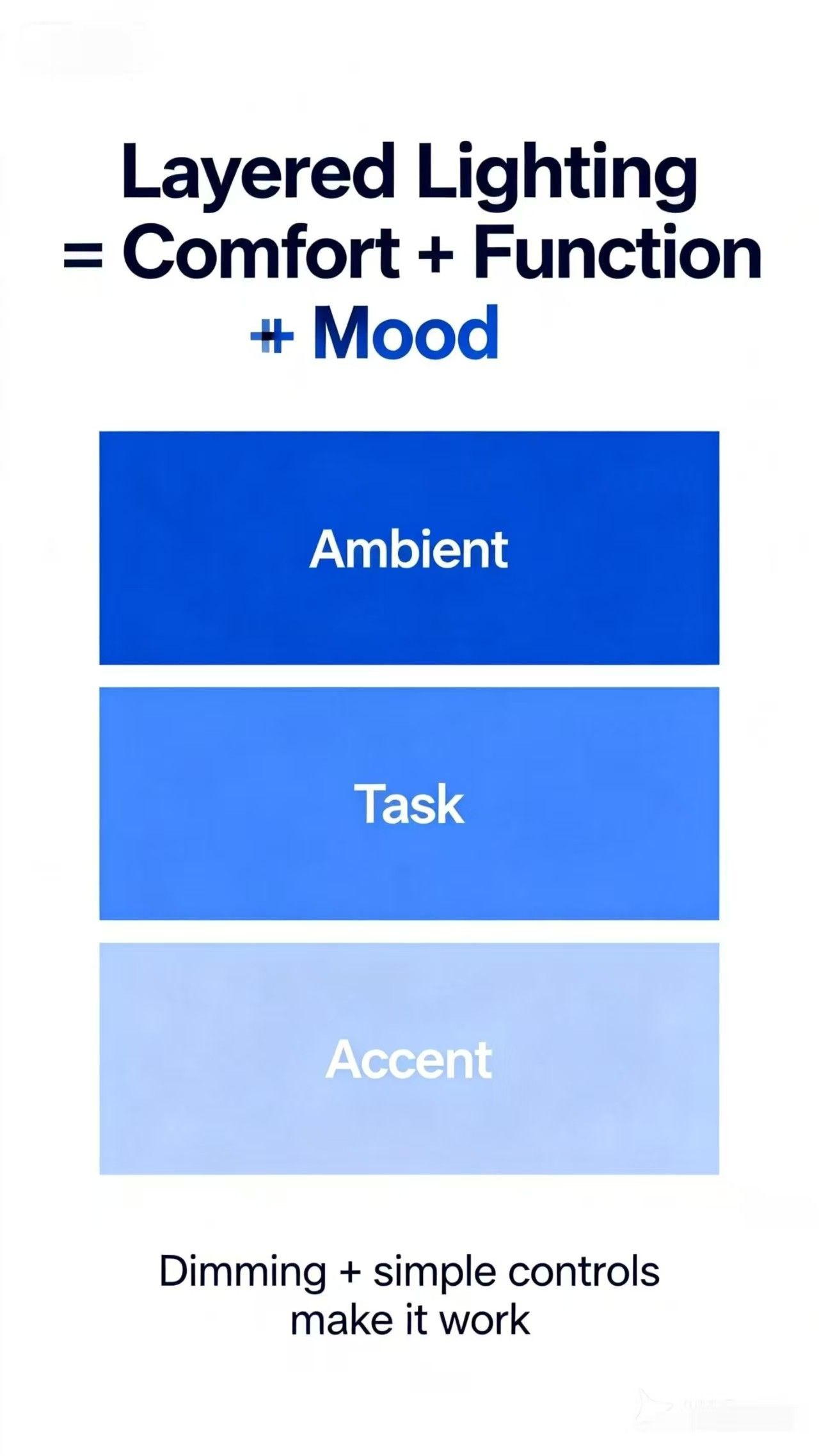 Layered Lighting 101: The Fastest Upgrade That Changes a Home