
Boosting Productivity & Focus: A Guide to Human Centric Lighting in Offices & Schools
Introduction: Rethinking the Spaces Where We Work and Learn
The static, often glaring fluorescent lighting of traditional offices and schools is becoming obsolete. Research shows it may contribute to the 3 PM slump, eye strain, and reduced motivation. Forward-thinking organizations are now adopting Human Centric Lighting (HLC) to create environments that actively fuel the mind, enhance focus, and support the natural energy rhythms of employees and students.
Part 1: The HCL Formula for the Workday
An effective office HCL system follows a dynamic circadian curve:
Morning Boost (8:00 AM - 10:00 AM): High light levels (~1000 lux at desk) with a cooler color temperature (5000-6500K) to suppress melatonin and promote alertness, helping teams start the day energized.
Sustained Focus (10:00 AM - 4:00 PM): Light levels slightly lower, transitioning to a neutral white (4000-4500K) to maintain concentration without overstimulation.
Afternoon Warm-Down (4:00 PM onwards): A gradual shift to lower intensity and warmer tones (3000K and below) to reduce circadian disruption for those working late, aiding the body's natural wind-down process.
Personal Task Control: Employees should have app-based control at their workstation to temporarily increase light for detailed tasks.
Part 2: Lighting for Learning in Classrooms
In schools, lighting must adapt to different activities throughout the day.
Standardized Test/Exam Mode: High, cool-white light to maximize alertness and visual acuity.
Creative/Collaborative Mode: Slightly warmer, diffuse light to create a relaxed, open atmosphere for group work and brainstorming.
Presentation/AV Mode: Dimmable zones allow for screen viewing without complete darkness.
Benefits Documented: Studies, such as the seminal “Hamburg Study,” have shown classrooms with dynamic lighting can lead to faster reading speed, reduced hyperactivity, and improved concentration.
Part 3: Integration and ROI
HCL is not a standalone system; it's part of a smart building.
Sensors are Key: Occupancy and daylight harvesting sensors ensure light is provided only when and where needed, layering energy efficiency on top of biological benefits.
The Business Case: The investment is justified by:
Human ROI: Potential for increased productivity, reduced absenteeism, and enhanced attraction/retention of talent.
Energy ROI: Advanced controls can cut lighting energy use by 40-60% compared to static systems.
Phased Implementation: Start with pilot floors or new construction to measure impact before a full rollout.
Conclusion: An Investment in People
Implementing HCL in offices and schools sends a powerful message: the organization values the health and performance of its people. By moving from illumination that merely enables sight to lighting that enhances cognitive function, companies and institutions are building a foundational advantage for the future.
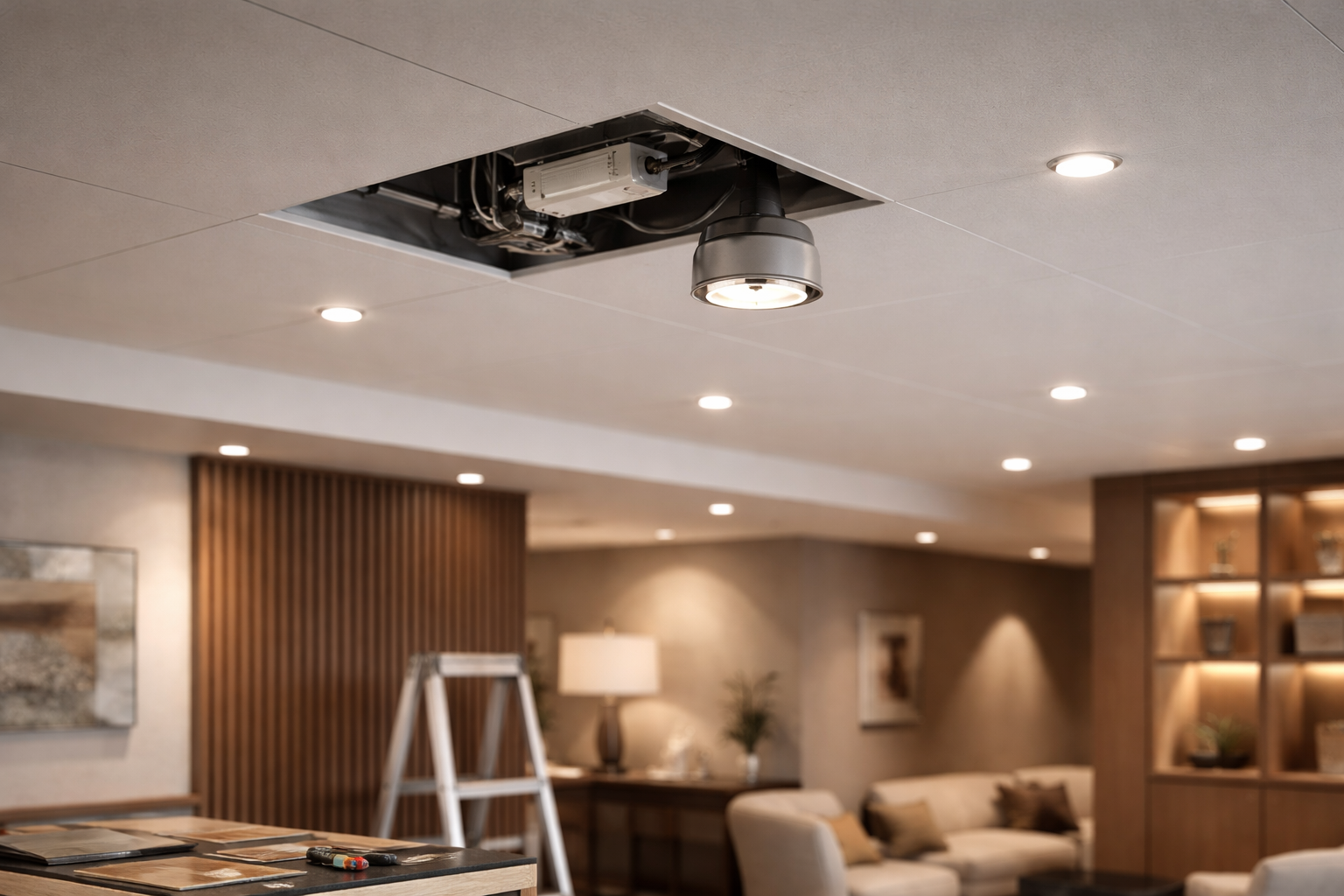 FM Lighting Replacements Without Guessing: Check Driver and Dimming Compatibility Before the Fixture Looks “Ready to Replace”
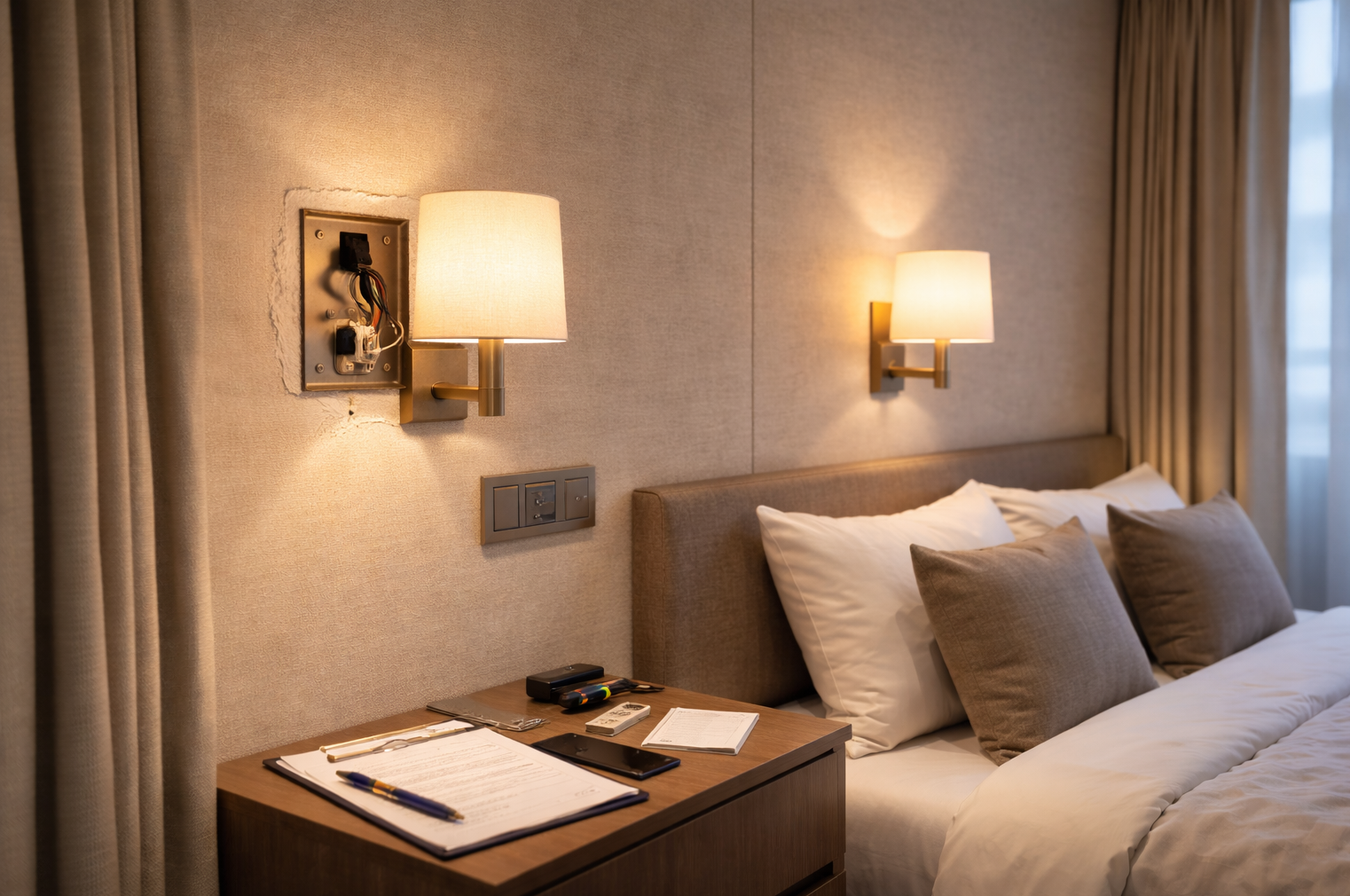 Hotel & Serviced Apartment Refresh: Check Circuits & Dimming Before Choosing Fixtures
 Why multi-stakeholder projects rush timelines but delay decisions
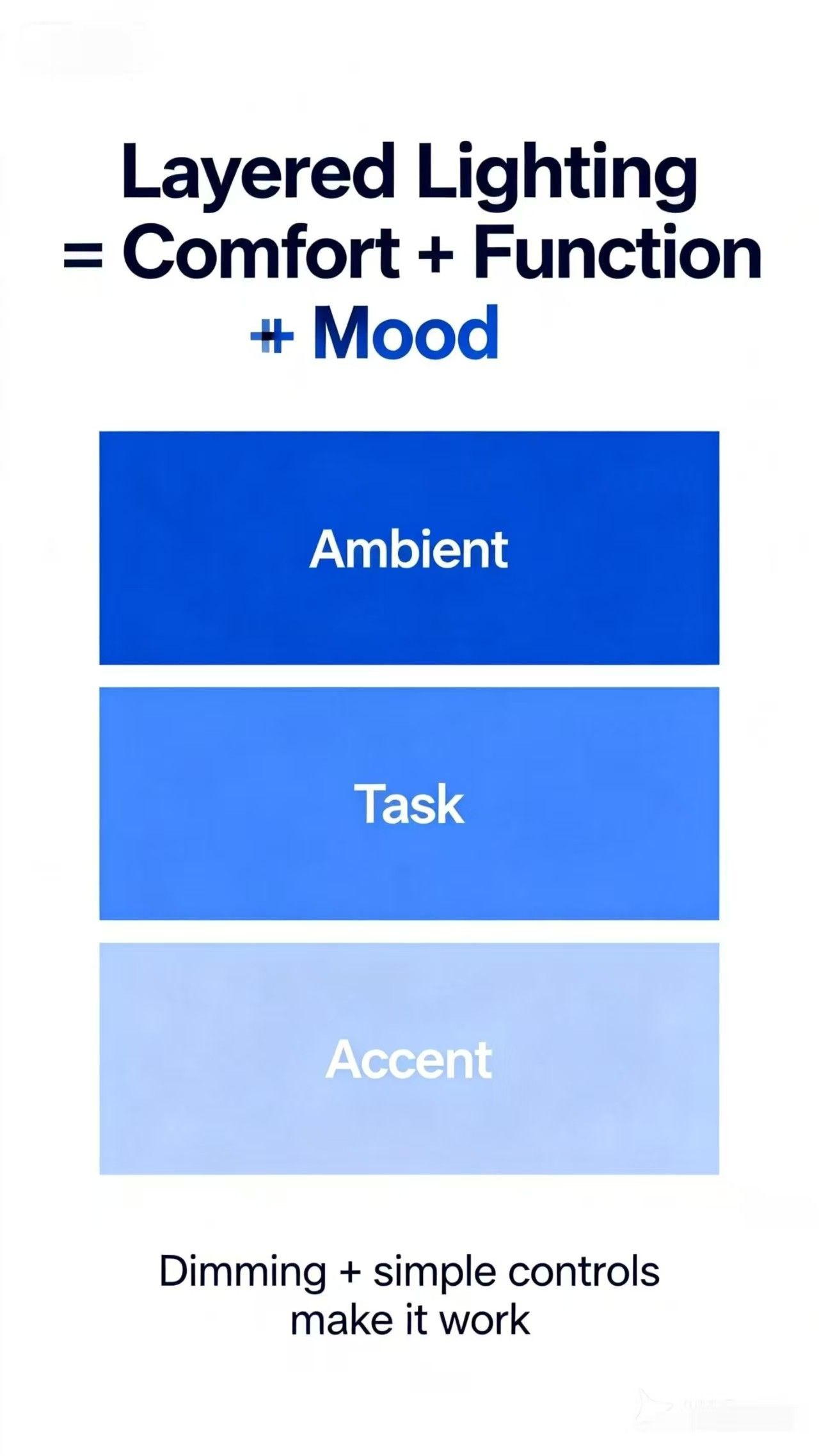 Layered Lighting 101: The Fastest Upgrade That Changes a Home