
What is Human Centric Lighting (HCL)? The Guide to Light That Supports Well-being
Introduction: Beyond Vision to Vitality For centuries, lighting's primary goal was to help us see. Today, science reveals light's profound impact on our biology. Human Centric Lighting (HCL) is a revolutionary approach that considers the visual, emotional, and—most importantly—biological effects of light on people. It's about creating lighting environments that not only look good but help us feel and perform better by aligning with our innate 24-hour internal clock: our circadian rhythm. Chapter 1: The Science of Light and the Body Our circadian rhythm is primarily regulated by light entering our eyes. Specialized photoreceptors are sensitive to short-wavelength (blue-rich) light. Morning/Daylight (High Intensity, Cool White ~5000K): Exposure to bright, cool-white light suppresses melatonin (the sleep hormone) and boosts cortisol and serotonin, promoting alertness, concentration, and elevated mood. Evening/Night (Low Intensity, Warm White ~2700K): As daylight fades, exposure to dim, warm light allows melatonin levels to rise naturally, signaling the body to prepare for restorative sleep. The Problem with Static Light: Conventional, fixed-color-temperature lighting (often a constant 4000K in offices) disrupts this cycle, potentially contributing to sleep disorders, daytime fatigue, and long-term health issues. Chapter 2: The Tools of HCL: Tunable White & Dynamic Control HCL is enabled by two key technologies: Tunable White LEDs: These are advanced LED fixtures where both the brightness (dimming) and the correlated color temperature (CCT in Kelvin) can be independently and smoothly adjusted across a wide range (e.g., from 1800K warm glow to 6500K cool daylight). Intelligent Control Systems: A smart lighting system automatically changes the light's intensity and color temperature throughout the day, following a pre-programmed "circadian curve" or responding to sensor data. Chapter 3: The Measurable Benefits Implementing HCL leads to tangible outcomes: In the Workplace: Studies link HCL to improved cognitive performance, reduced errors, and lower absenteeism. It can combat afternoon slumps. In Healthcare: HCL in hospitals and senior living facilities can help regulate patients' sleep/wake cycles, reduce agitation in dementia patients, and even support faster recovery. In Education: Schools using dynamic lighting report increased student concentration and academic performance. At Home: Personal HCL systems can help individuals improve sleep quality and adjust to shift work or jet lag. Chapter 4: Implementing HCL in Your Space Starting with HCL doesn't require a full-building overhaul. Start Small: Focus on key areas where people spend most of their time: home offices, open-plan workspaces, or hospital patient rooms. Consult a Professional: A lighting designer can create a lighting schedule that matches the space's use patterns and occupants' needs. User Control is Key: Provide individuals with simple overrides (e.g., via an app) to adjust light for specific tasks or personal comfort. Conclusion: Lighting for Life Human Centric Lighting marks a paradigm shift from lighting that simply illuminates spaces to lighting that nurtures occupants. By harnessing the power of tunable white light and intelligent controls, we can create built environments that actively support human health, well-being, and potential, making light a true partner in our daily lives.
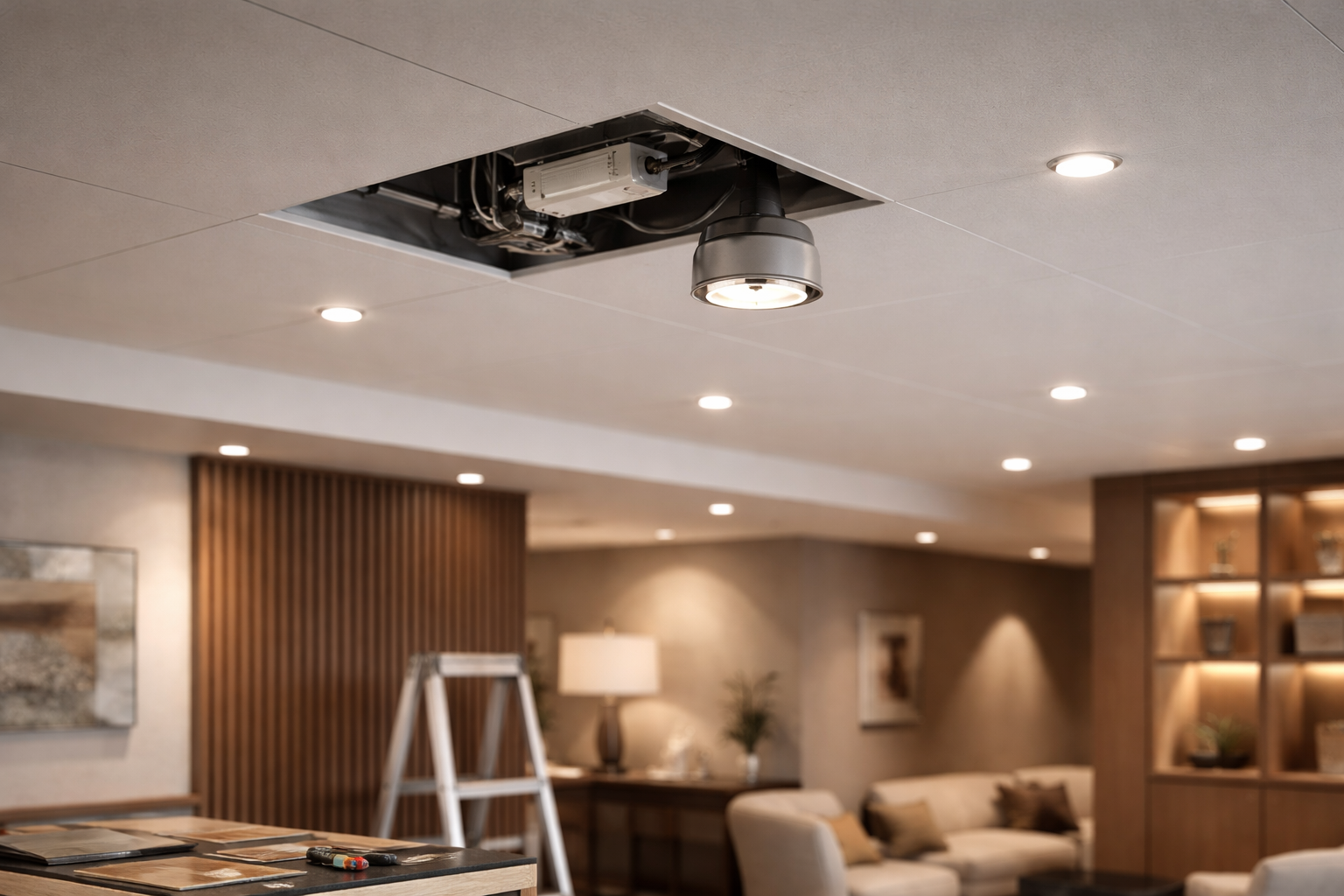 FM Lighting Replacements Without Guessing: Check Driver and Dimming Compatibility Before the Fixture Looks “Ready to Replace”
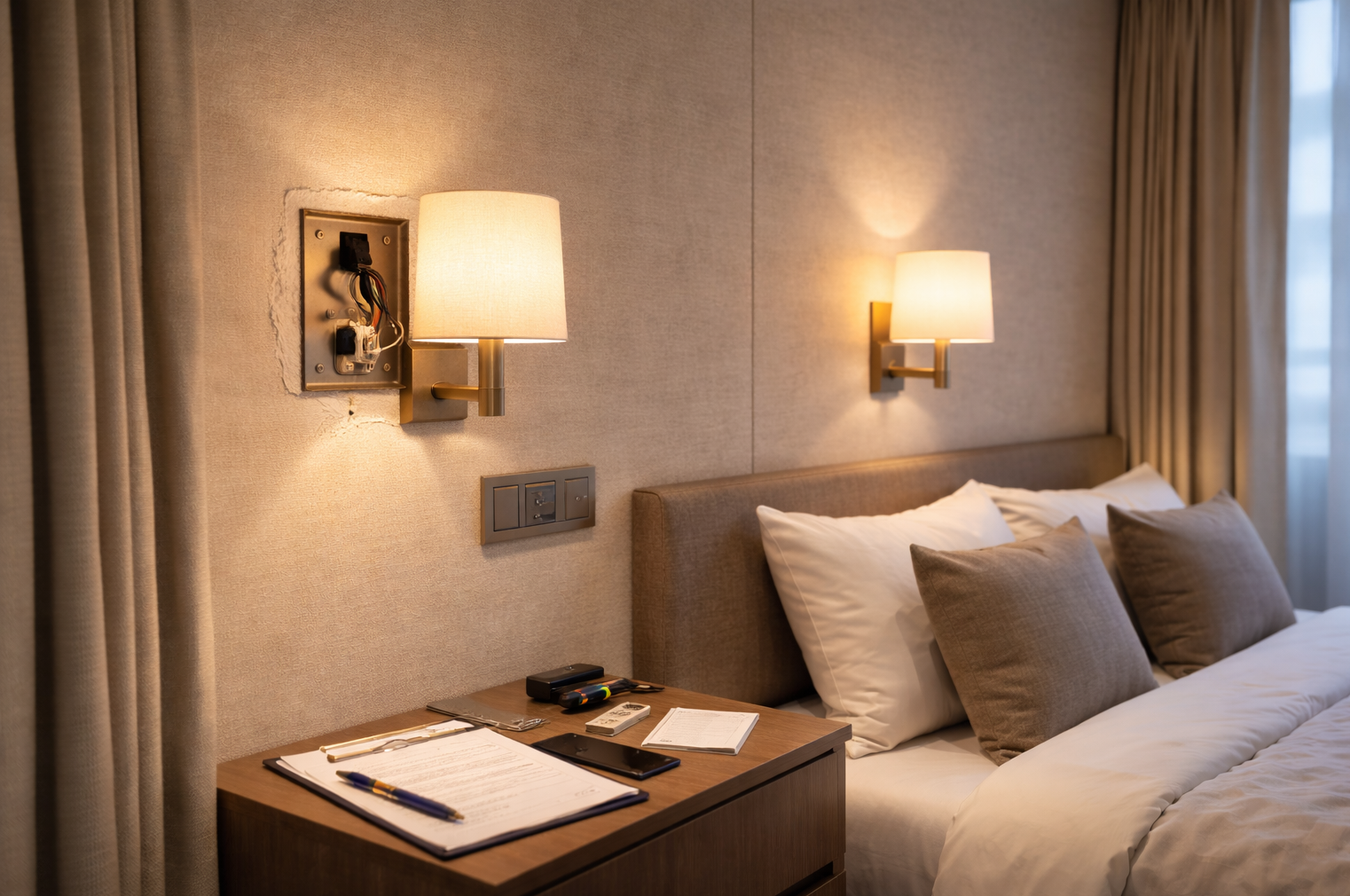 Hotel & Serviced Apartment Refresh: Check Circuits & Dimming Before Choosing Fixtures
 Why multi-stakeholder projects rush timelines but delay decisions
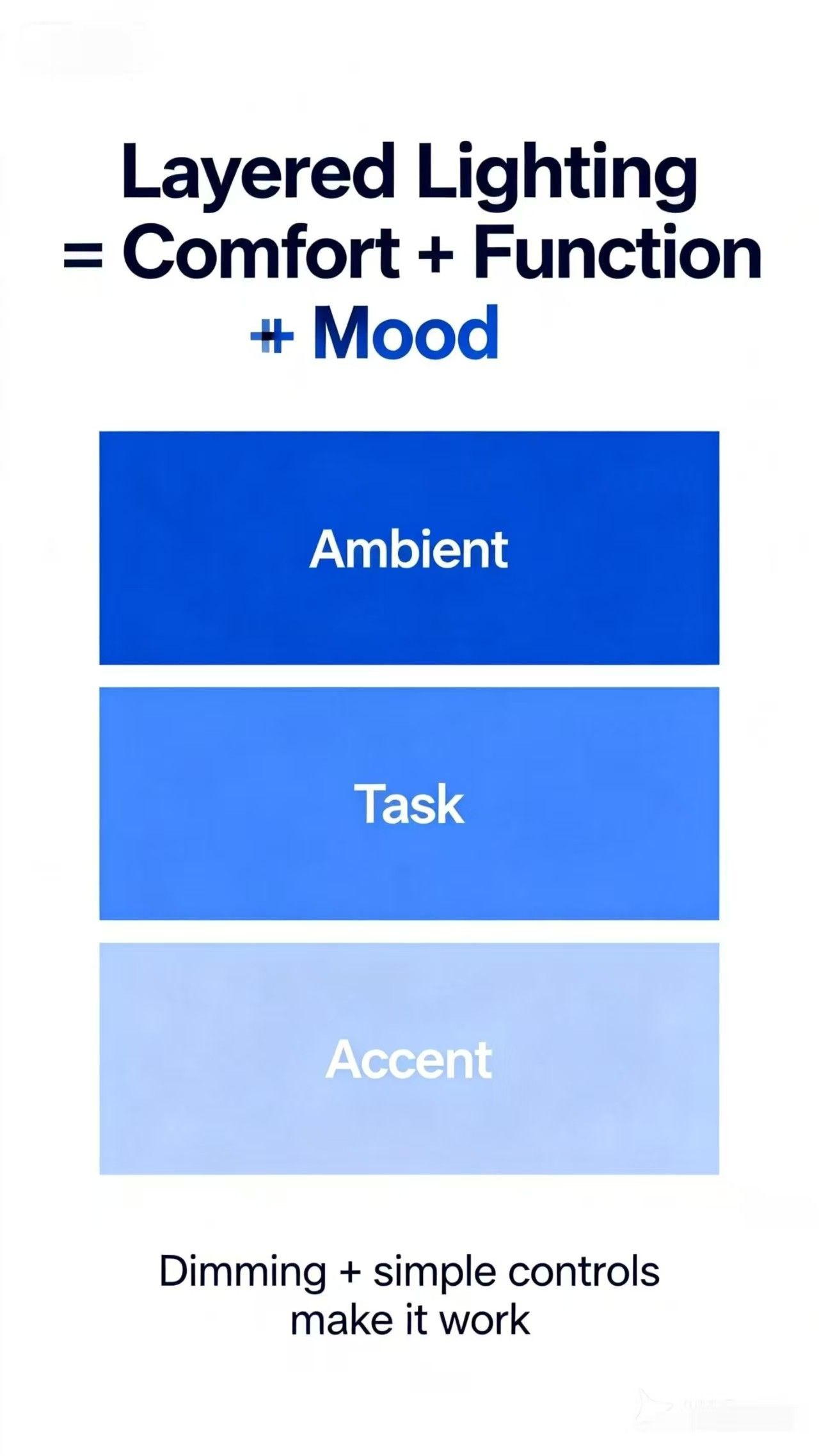 Layered Lighting 101: The Fastest Upgrade That Changes a Home