
Case Study: Eliminating Glare in a Contemporary Art Museum with Precision Spotlights
Introduction: A Museum’s Visual Dilemma
The “City Modern Art Gallery” faced a persistent problem: visitor complaints of eye strain and an inability to comfortably view key artworks. The museum’s clean, contemporary architecture featured low (8-foot) ceilings, which brought overhead lighting dangerously into the sightlines of patrons. The existing generic LED downlights cast harsh glare on canvases and especially on reflective sculptures, creating bright, distracting hotspots that destroyed the viewing experience. They needed a solution that preserved the minimalist aesthetic while introducing a new level of optical sophistication.
Phase 1: The Lighting Audit – Diagnosing the Problem
Our team conducted a detailed audit:
Glare Mapping: We identified the specific viewing positions where the bright LED source of existing fixtures was directly visible—a condition known as Direct Glare.
Reflection Analysis: We documented Specular Glare—mirror-like reflections of the light fixtures on glossy paintings and polished metal sculptures, which appeared as bright, confusing shapes over the art itself.
Color Assessment: The existing lights had a CRI of 82, making vibrant contemporary palettes appear slightly muted and inaccurate.
Phase 2: The Prescription – Selecting the Tool
The solution required surgical precision. We specified a complete retrofit with high-precision, adjustable spotlights, based on three non-negotiable criteria:
Superior Glare Control: Fixtures required integral, medium-cell honeycomb louvers. This was mandatory to block all off-axis views of the LED, solving both direct and reflected glare at the source.
Optical Flexibility: We chose gimbal-style adjustable spotlights with a 15°-35° zoom function. This allowed curators to perfectly frame each artwork, from small sketches to large installations, after installation.
Color Excellence: Fixtures with a CRI >95 and consistent 3000K color temperature were selected to restore the full intensity and accuracy of the artists’ intended colors.
Phase 3: Implementation – The Surgical Swap
The installation was planned to minimize museum closure:
One-for-One Replacement: New fixtures were designed to fit into the existing ceiling openings.
Aiming & Programming: After installation, our lighting designer worked with the chief curator to aim each spotlight meticulously. Beam angles were set, and dimming levels were programmed for different zones and exhibition sensitivities.
Phase 4: Measurable Results – The Transformation
The impact was immediate and profound:
Visitor Experience: Complaints about glare and eye strain dropped to zero. Guestbook comments now praised the “clear” and “comfortable” viewing conditions.
Curatorial Delight: The staff reported that artworks, especially dark paintings and complex sculptures, revealed previously unseen detail and depth. The high CRI brought colors to life.
Aesthetic Integrity: The new spotlights, with their matte black louvers, disappeared into the ceiling. The focus was entirely on the art, fulfilling the primary goal of architectural lighting: to see the effect, not the source.
Conclusion: Lighting as a Silent Guardian
This project demonstrates that in sensitive environments like museums, lighting is not an accessory but a critical infrastructure for preservation and presentation. By applying technical spotlights engineered to solve specific optical problems, a space plagued by visual discomfort was transformed into a sanctuary of visual clarity. The right light doesn’t just illuminate; it respects, reveals, and protects.
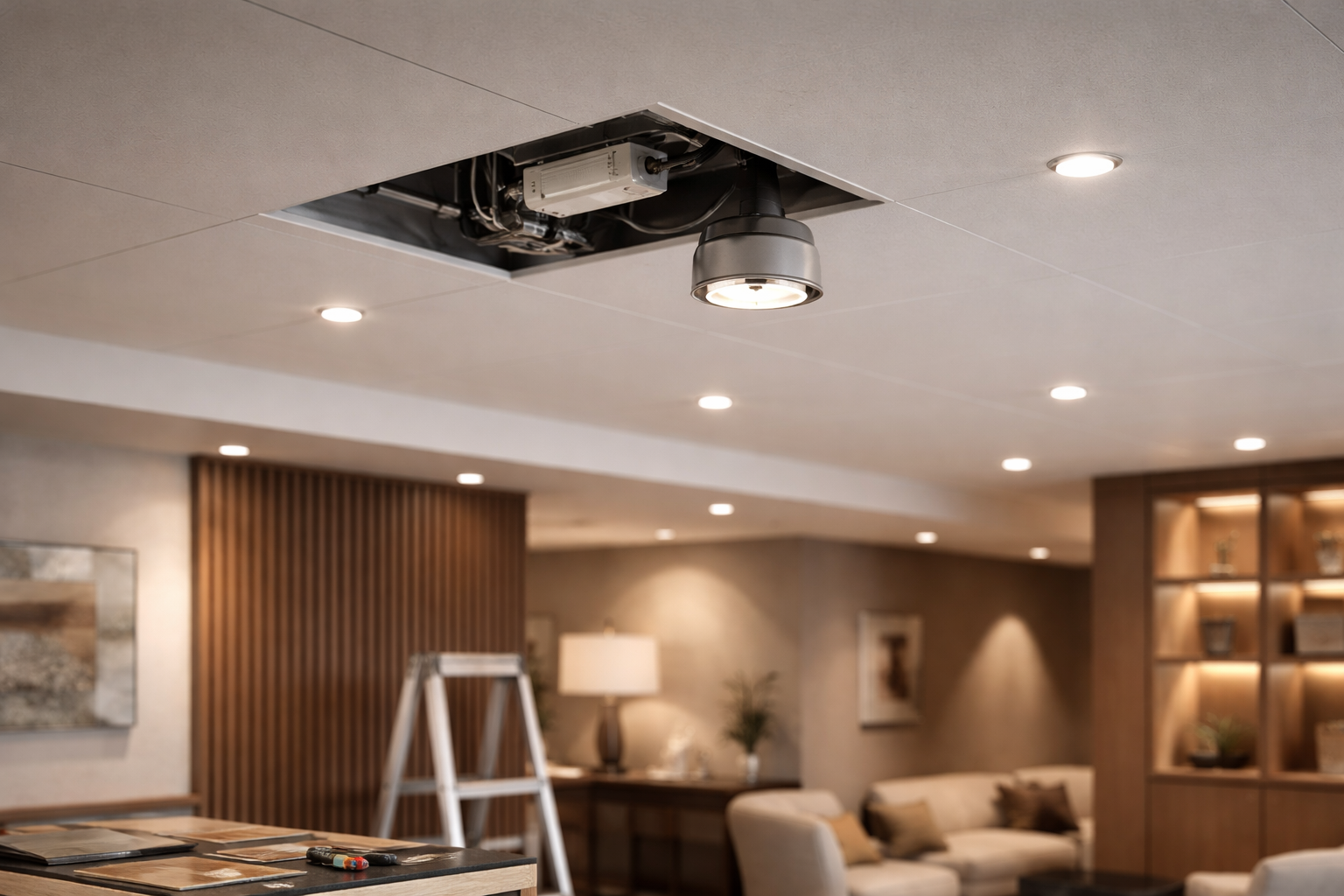 FM Lighting Replacements Without Guessing: Check Driver and Dimming Compatibility Before the Fixture Looks “Ready to Replace”
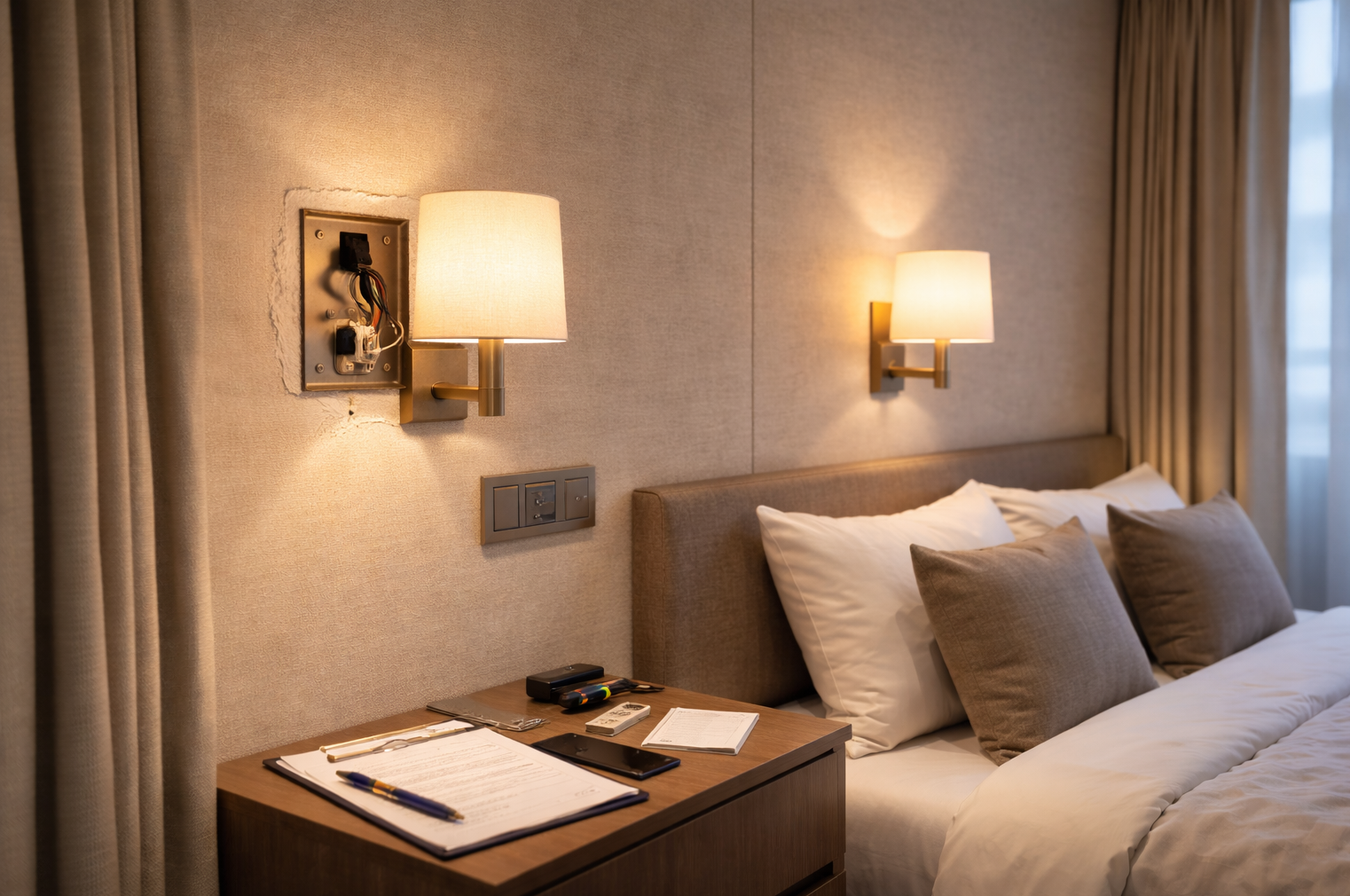 Hotel & Serviced Apartment Refresh: Check Circuits & Dimming Before Choosing Fixtures
 Why multi-stakeholder projects rush timelines but delay decisions
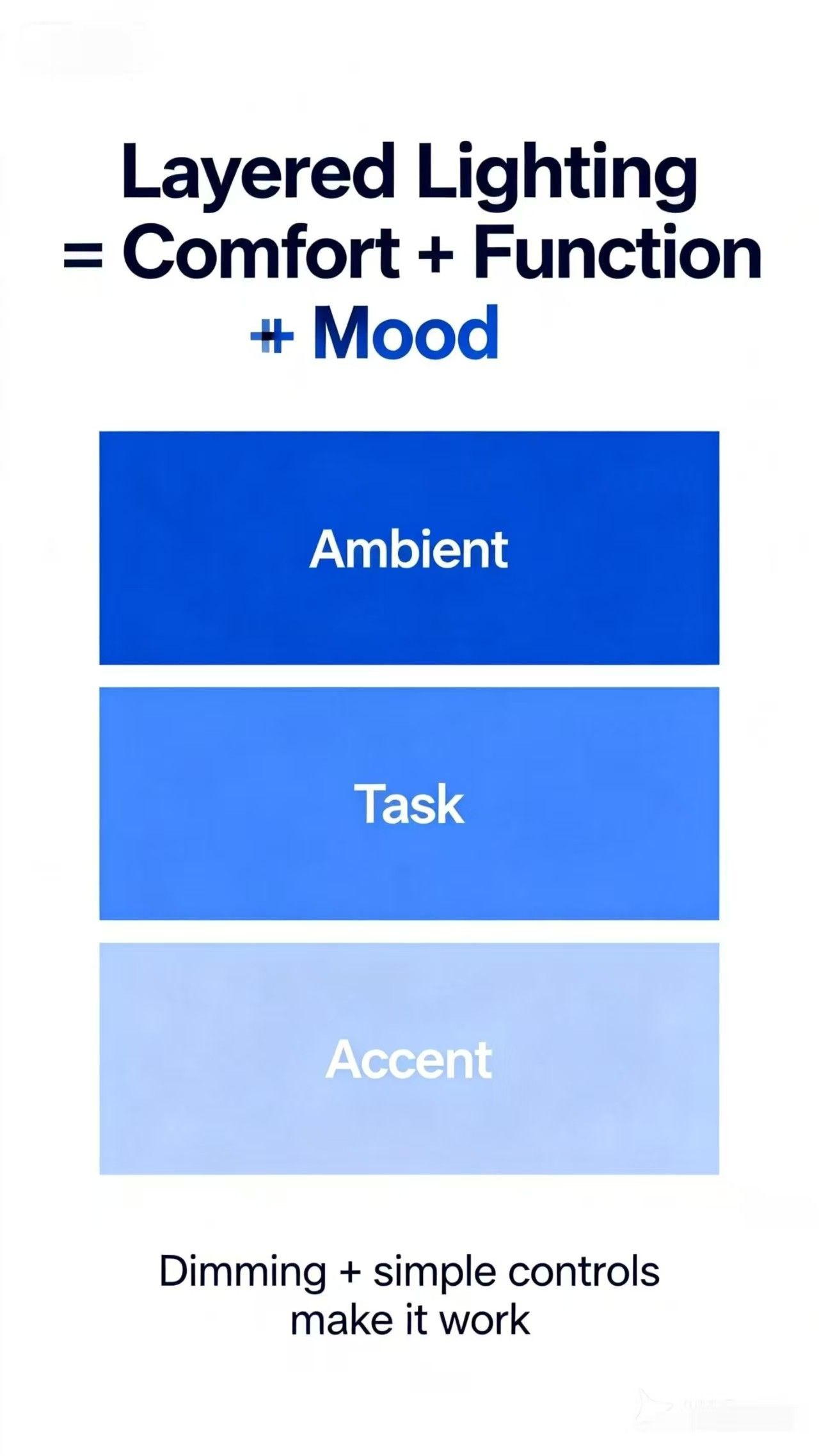 Layered Lighting 101: The Fastest Upgrade That Changes a Home