
How to Choose the Perfect Crystal Chandelier: A Buyer's Guide
How to Choose the Perfect Crystal Chandelier: A Buyer's Guide
Introduction: An Investment in Beauty
Selecting a crystal chandelier is a significant design decision. It's an investment that will define your space for years to come. With countless styles, sizes, and price points available, knowing how to navigate the options is key. This guide breaks down the process into clear, manageable steps to ensure you find a chandelier that fits your room, your style, and your life perfectly.
Step 1: Measure Your Space (The Golden Rules)
Getting the size right is the most critical factor for a balanced look.
Diameter/Width Rule: Add the room's length and width in feet. Convert that sum to inches. This number is a good target for the chandelier's diameter. For a dining room, the chandelier's width should be 12 inches narrower than the table at minimum.
Hanging Height:
Over a Table: The bottom should hang 30 to 36 inches above the tabletop.
In a Foyer/Hallway: Maintain at least 7 feet of clearance from the floor. In a two-story space, center it within the visual void.
Room Proportion: A vast living room can handle a large, multi-tiered piece, while a bedroom might need a simpler, smaller-scale design.
Step 2: Understand Crystal Quality
Not all "crystal" is created equal. Quality impacts brilliance, weight, and value.
Lead Content: Genuine lead crystal contains at least 24% lead oxide. This gives it more weight, a clearer appearance, and superior light refraction (sparkle). Full-lead crystal (30%+) is the premium standard.
Cutting and Clarity: Hand-cut or precision machine-cut facets are sharp and uniform, creating maximum sparkle. Examine pieces for clarity—high-quality crystal should be virtually flawless, without bubbles or cloudiness.
Recognized Origins: Crystals from Swarovski (Austria), Preciosa (Czech Republic), and other renowned regions guarantee consistent quality and cutting excellence.
Step 3: Choose a Style for Your Decor
Your chandelier should complement your interior design language.
Traditional: For classic, formal, or period homes. Look for tiered designs, candelabra arms, and ornate metalwork in finishes like polished brass or antique bronze.
Modern/Contemporary: For minimalist, industrial, or eclectic spaces. Choose geometric shapes, linear forms, and mixed materials (crystal with black metal, brass, etc.).
Transitional: The perfect bridge. These designs have a classic silhouette (like a drum or empire shape) executed with cleaner lines and modern crystal details or finishes, suiting a wide range of decors.
Step 4: Consider Practicalities and Installation
Weight and Ceiling Support: A large chandelier can be extremely heavy. Always verify your ceiling can support the weight and install a proper-rated electrical box. This is non-negotiable for safety.
Light Output and Dimmers: Consider the fixture's brightness (lumens). In a dining room, you'll want a dimmable chandelier to set the mood. Ensure it's compatible with your home's dimmer switches.
Professional Installation: Due to weight, complexity, and electrical safety, hiring a licensed electrician is highly recommended. They will ensure secure mounting and proper wiring.
Conclusion: Confidence in Your Choice
By following this structured approach—sizing correctly, discerning quality, matching style, and planning for installation—you move beyond being swayed by mere appearance. You become an informed buyer, capable of selecting a crystal chandelier that is not only breathtakingly beautiful but also perfectly scaled, appropriately styled, and safely installed to become a cherished focal point in your home.
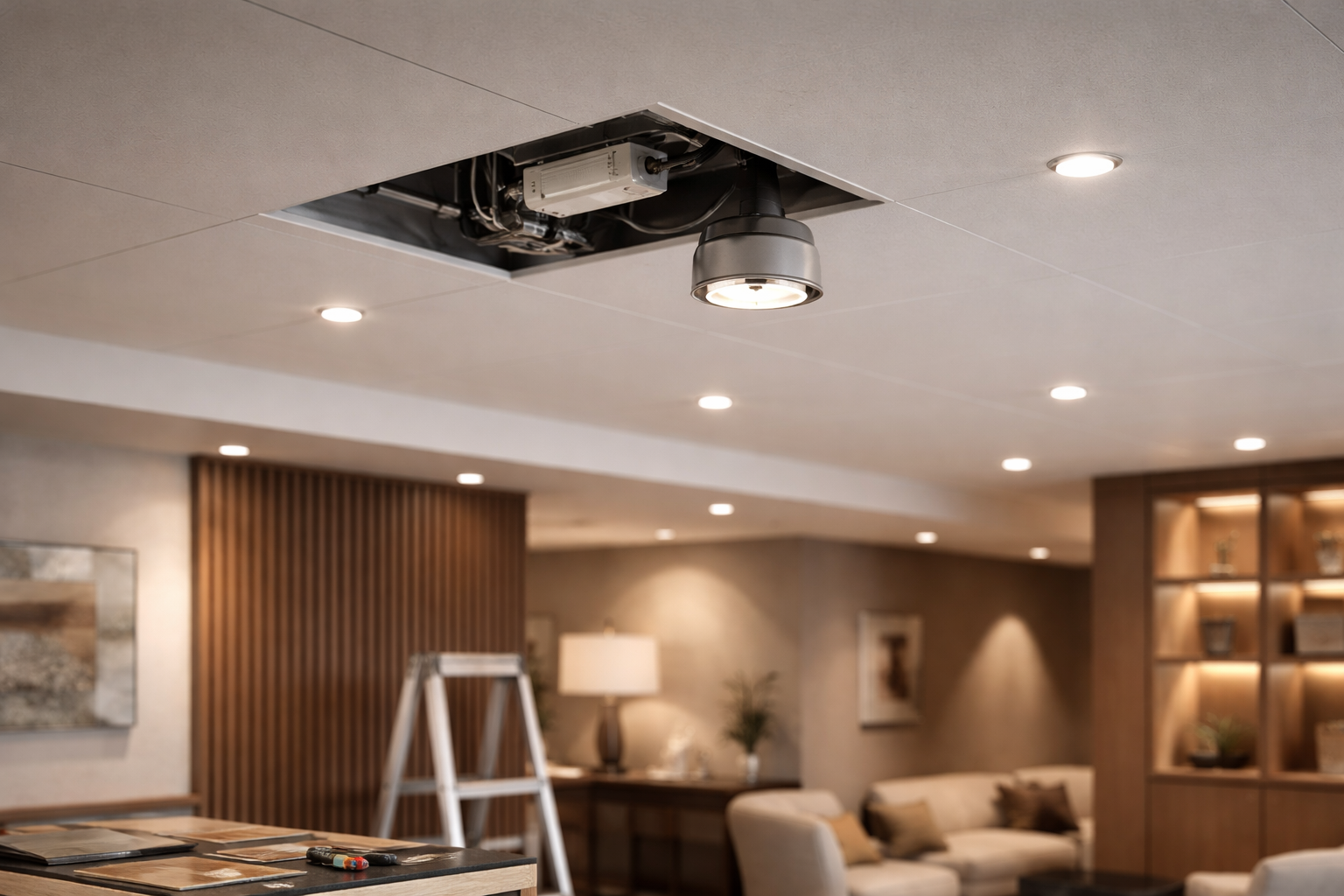 FM Lighting Replacements Without Guessing: Check Driver and Dimming Compatibility Before the Fixture Looks “Ready to Replace”
 Hotel & Serviced Apartment Refresh: Check Circuits & Dimming Before Choosing Fixtures
 Why multi-stakeholder projects rush timelines but delay decisions
 Layered Lighting 101: The Fastest Upgrade That Changes a Home