
Modern Crystal Chandeliers: Blending Tradition with Contemporary Design
Modern Crystal Chandeliers: Blending Tradition with Contemporary Design
Introduction: A New Sparkle
The crystal chandelier has undergone a stylish revolution. While traditional tiered designs remain beloved, a new generation of fixtures is redefining what a crystal chandelier can be. Today's designs blend the timeless light-refracting magic of crystal with the clean lines, bold forms, and innovative spirit of contemporary design, creating statement pieces that are both sophisticated and strikingly modern.
Part 1: The Design Principles of Modern Crystal
Modern crystal chandeliers are defined by a few key principles:
Simplicity of Form: Ornate scrollwork is replaced by geometric shapes—spheres, cubes, linear rods, and asymmetric arrangements. The focus is on the architecture of the frame and the strategic placement of crystals.
Emphasis on Negative Space: Designers use open frameworks, allowing light and shadow to play a crucial role. The chandelier becomes a sculptural object even when unlit.
Material Contrast: This is a hallmark of the modern approach. Crystal is paired with unexpected companions: warm brass, matte black steel, oxidized metals, faceted rock crystal, or even concrete. This contrast highlights the crystal's clarity and adds textural depth.
Part 2: Popular Modern Styles and Trends
The Linear Chandelier: A series of crystal pendants or rods arranged in a straight line or gentle curve. Perfect over dining tables, kitchen islands, and long hallways, offering a streamlined, elegant look.
The Geometric Cluster: Crystals suspended within or from a geometric metal frame, such as a cube, orb, or series of rings. It creates a captivating, three-dimensional sculpture.
The Organic/Asymmetric Cascade: Crystals appear to spill naturally in a loose, waterfall-like formation. This style feels dynamic, artistic, and less formal than traditional tiers.
The Colored Crystal Statement: Moving beyond clear crystal, designers use smoked grey, amber, or even colored crystal accents to add warmth, mood, or a bold pop of color.
Part 3: The Role of Technology
Technology is a silent partner in modern design:
LED Integration: Modern chandeliers are built around LED light sources. Their small size allows for sleeker designs, they produce negligible heat (protecting crystals), and their long lifespan makes them ideal for hard-to-reach fixtures. Some designs use hidden LED strips or pinpoint bulbs to make the crystal itself seem to glow.
Smart Lighting Compatibility: Many contemporary chandeliers are dimmable and can be integrated with smart home systems, allowing control of brightness and color temperature to suit any occasion.
Part 4: Placing a Modern Crystal Chandelier
The beauty of these designs is their versatility:
Residential Spaces: A linear crystal chandelier over a modern dining table; a cluster of crystal pendants in a double-height living room; a small geometric piece in a master bathroom for a touch of luxury.
Commercial Applications: They are perfect for hotel lobbies, boutique stores, restaurants, and corporate atriums, where they convey a sense of curated, upscale modernity.
Conclusion: Tradition Reimagined
The modern crystal chandelier proves that tradition is not static. By respecting the inherent beauty of crystal while fearlessly experimenting with form and context, designers have created a new category of lighting. These pieces offer the glamour and sparkle of the past, perfectly calibrated for the aesthetic and technological sensibilities of the present, ensuring the crystal chandelier's relevance for centuries to come.
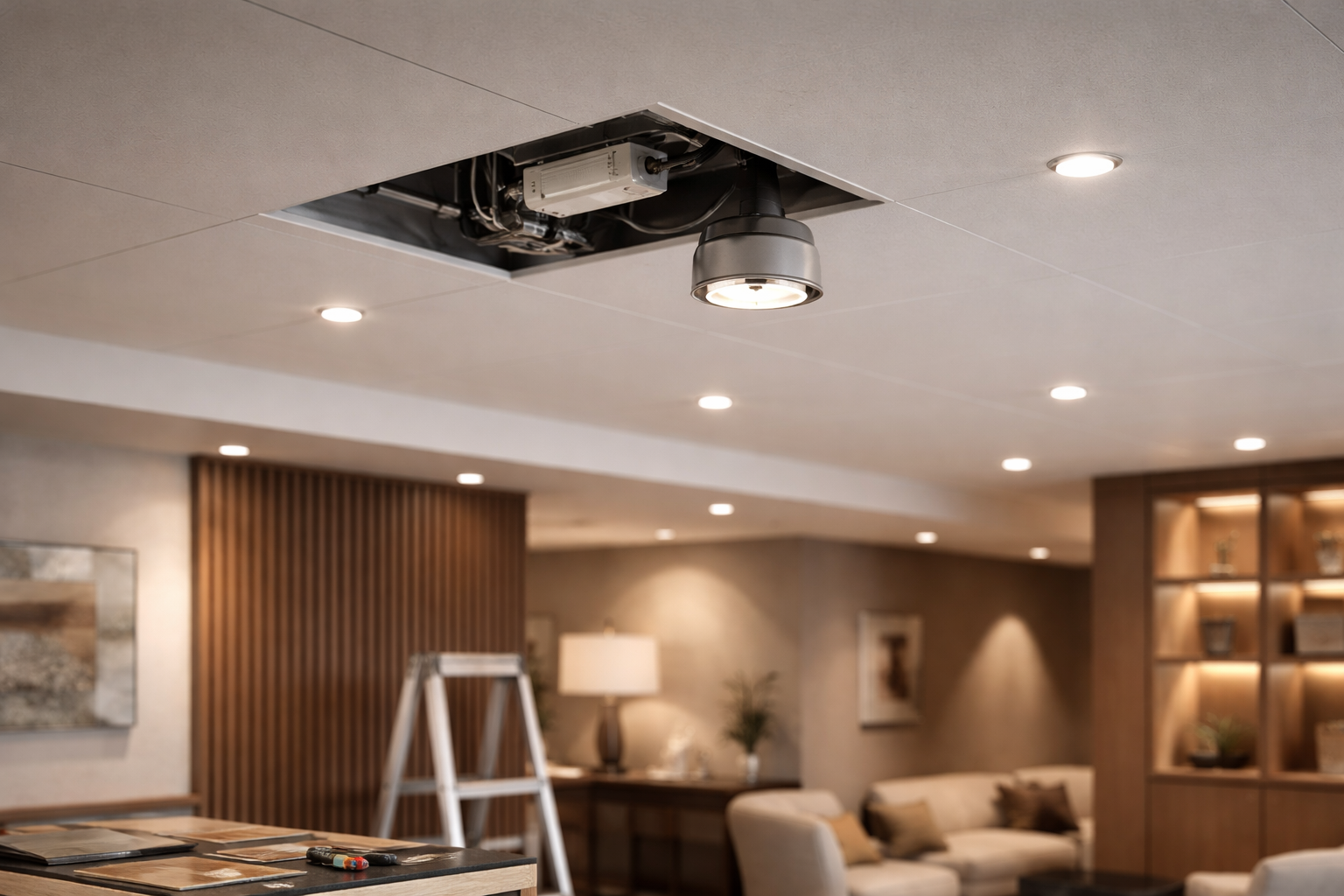 FM Lighting Replacements Without Guessing: Check Driver and Dimming Compatibility Before the Fixture Looks “Ready to Replace”
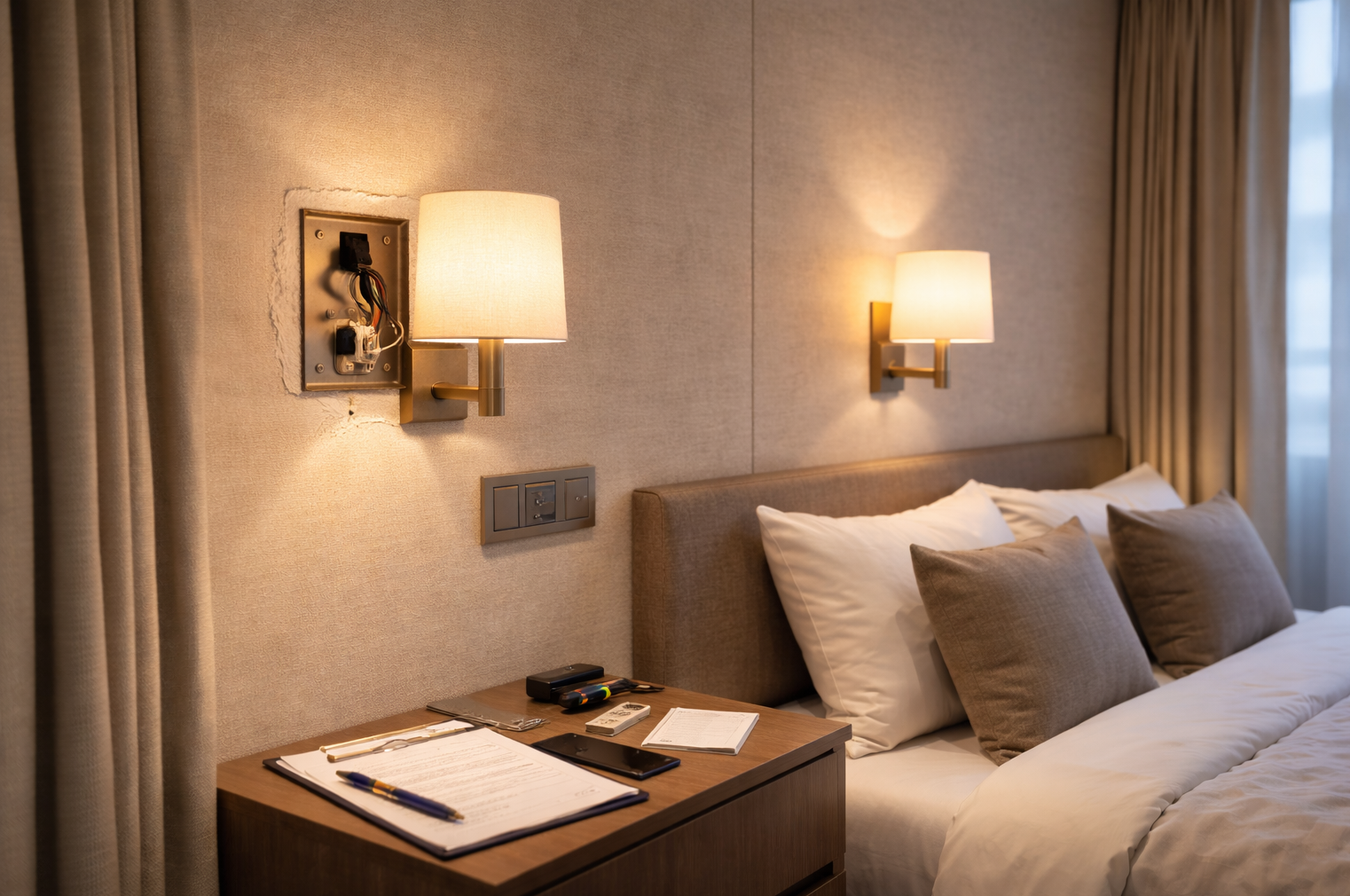 Hotel & Serviced Apartment Refresh: Check Circuits & Dimming Before Choosing Fixtures
 Why multi-stakeholder projects rush timelines but delay decisions
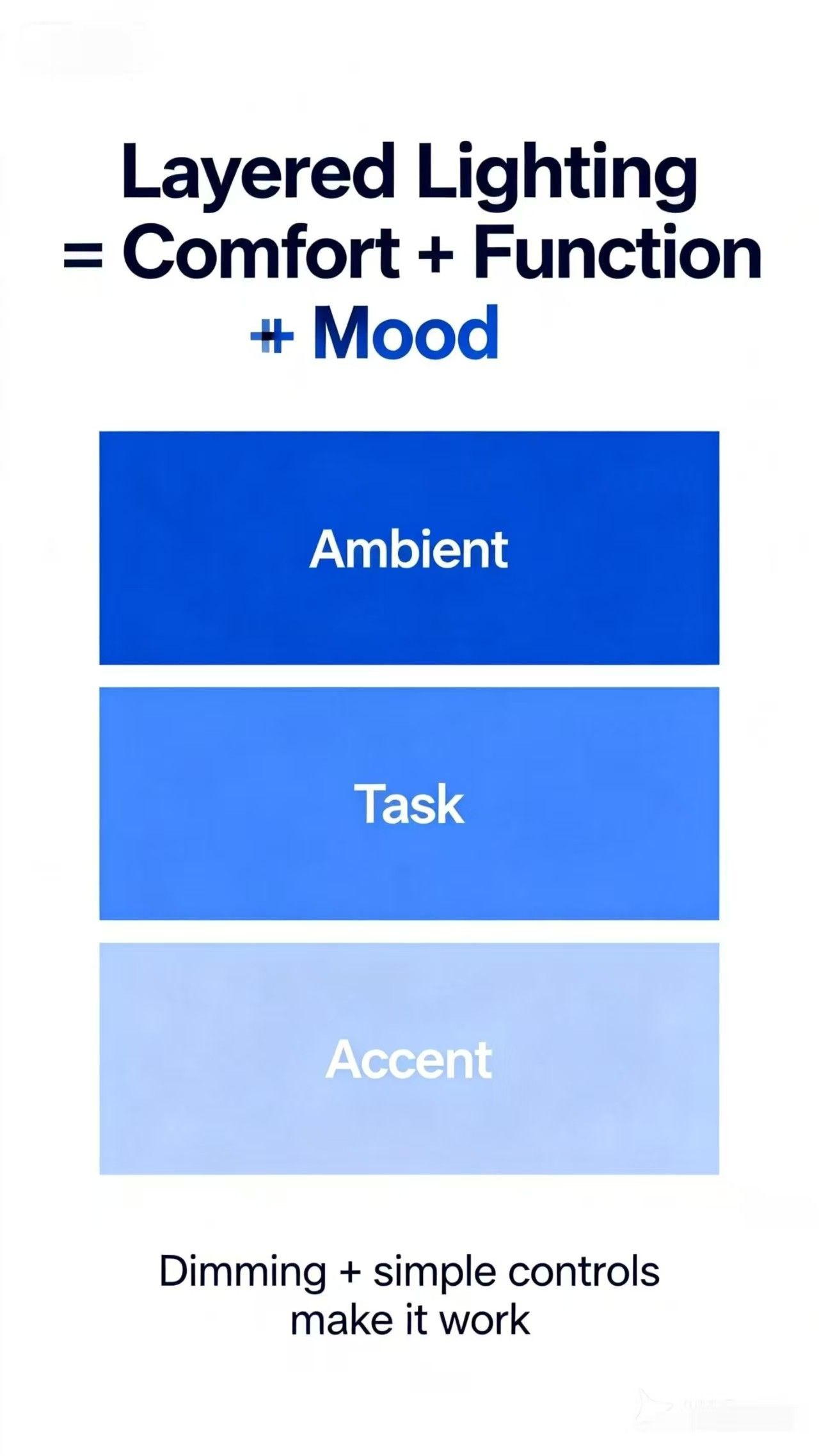 Layered Lighting 101: The Fastest Upgrade That Changes a Home