
The Timeless Elegance of Crystal Chandeliers: History and Evolution
The Timeless Elegance of Crystal Chandeliers: History and Evolution
Introduction: More Than Just Light
A crystal chandelier is more than a lighting fixture; it is a symbol of luxury, artistry, and historical continuity. For centuries, these magnificent objects have crowned the ceilings of palaces, hotels, and grand residences, casting not just light but an aura of refinement. This article traces the journey of the crystal chandelier from its functional beginnings to its status as a timeless design icon.
Part 1: Humble Beginnings and Royal Adoption
The chandelier's story begins in medieval times. Early examples were simple wooden crosses with spikes for candles, hung in abbeys and great halls. The term itself derives from the French "chandelle," meaning candle. As glassmaking advanced, particularly in regions like Murano, Venice, clear glass prisms were added to enhance candlelight. Royals and aristocrats quickly recognized their potential for displaying wealth and power, commissioning increasingly elaborate designs for their palaces.
Part 2: The Golden Age of Crystal
The 17th and 18th centuries marked the true blossoming of the crystal chandelier.
The Baroque Influence: Designs became dramatic and ornate, featuring heavy, scrolled metalwork and large, tear-drop shaped crystals. The goal was maximum sparkle and opulence.
The Rise of Lead Crystal: The development of lead crystal in England (with added lead oxide) was a revolution. This material was softer, easier to cut, and possessed a higher refractive index than ordinary glass, meaning it bent light more brilliantly, creating the legendary "rainbow" effect and superior sparkle.
Regional Masters: Bohemian crystal (from the Czech Republic) became renowned for its exceptional clarity and precision cutting. French designs, often associated with Versailles, emphasized symmetry and elaborate decoration.
Part 3: Industrialization and Democratization
The 19th century brought profound changes:
Gas and Electric Light: The adoption of gaslight and later electric bulbs transformed chandelier design. Fixtures needed to accommodate new light sources and dissipate heat, leading to more open, upward-facing designs.
Mass Production: Industrial techniques made crystals and components more affordable. While the most luxurious pieces remained handcrafted, beautiful crystal chandeliers became accessible to the rising merchant class, moving from palaces into upscale hotels, theaters, and fine homes.
Part 4: The Modern Crystal Chandelier
Today's crystal chandeliers honor tradition while embracing contemporary life.
Modern and Transitional Styles: Designers now create sleek, geometric chandeliers using crystal alongside metals like nickel and brass. The "transitional" style blends classic crystal elements with clean, modern forms.
Technological Integration: Modern versions use energy-efficient LEDs that emit minimal heat, protecting delicate crystals. Advanced optical-quality crystals continue to optimize light refraction.
Beyond the Dining Room: Crystal chandeliers now appear in unexpected spaces: walk-in closets, modern bathrooms, and even covered outdoor areas, proving their versatility.
Conclusion: An Enduring Legacy
The crystal chandelier has survived revolutions in both technology and taste because it satisfies a deep desire for beauty and wonder. It connects us to a heritage of craftsmanship while continually adapting to contemporary aesthetics. Whether a sprawling, tiered antique or a minimalist cluster of crystal rods, a chandelier remains the ultimate statement piece—a testament to the enduring power of light, beautifully transformed.
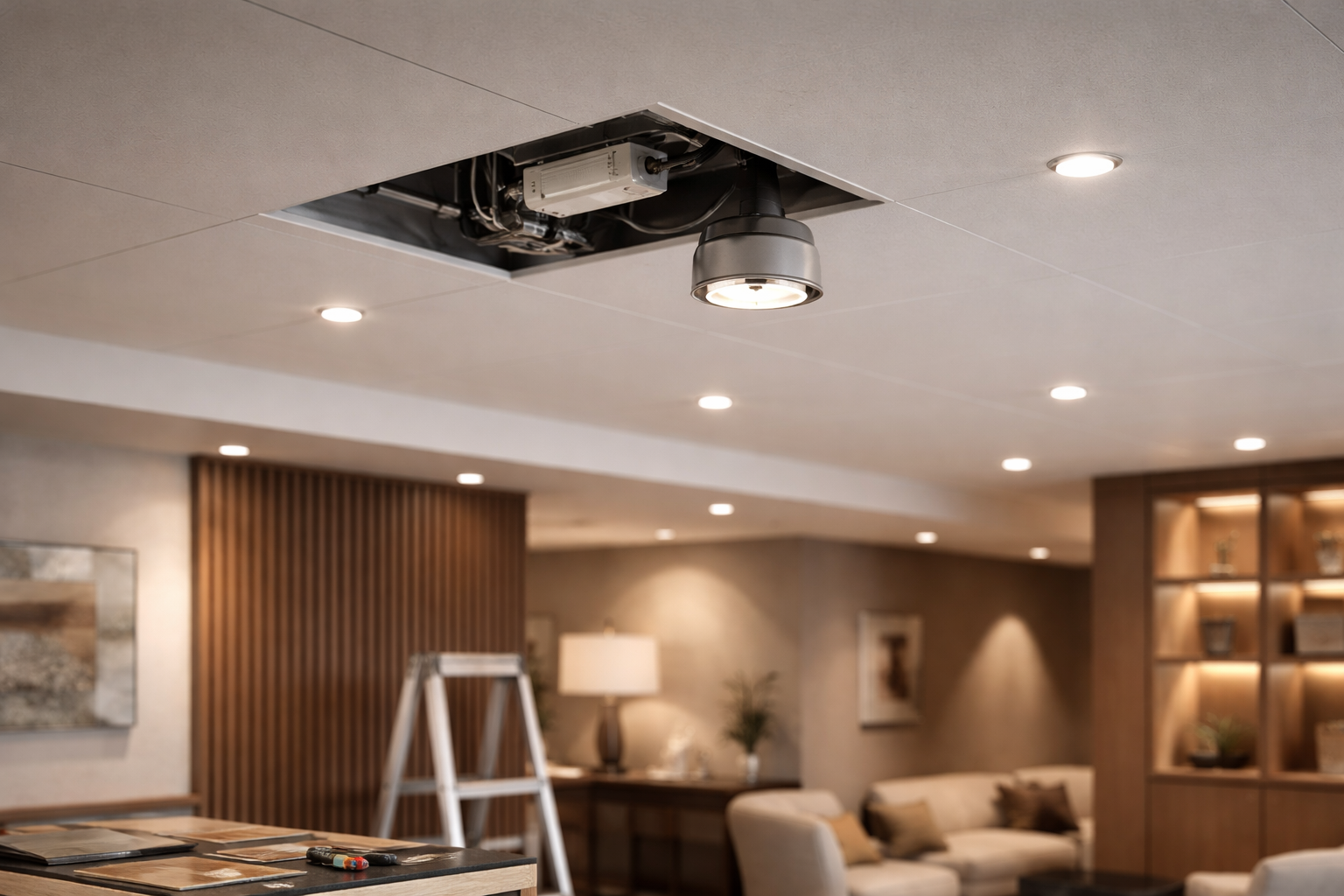 FM Lighting Replacements Without Guessing: Check Driver and Dimming Compatibility Before the Fixture Looks “Ready to Replace”
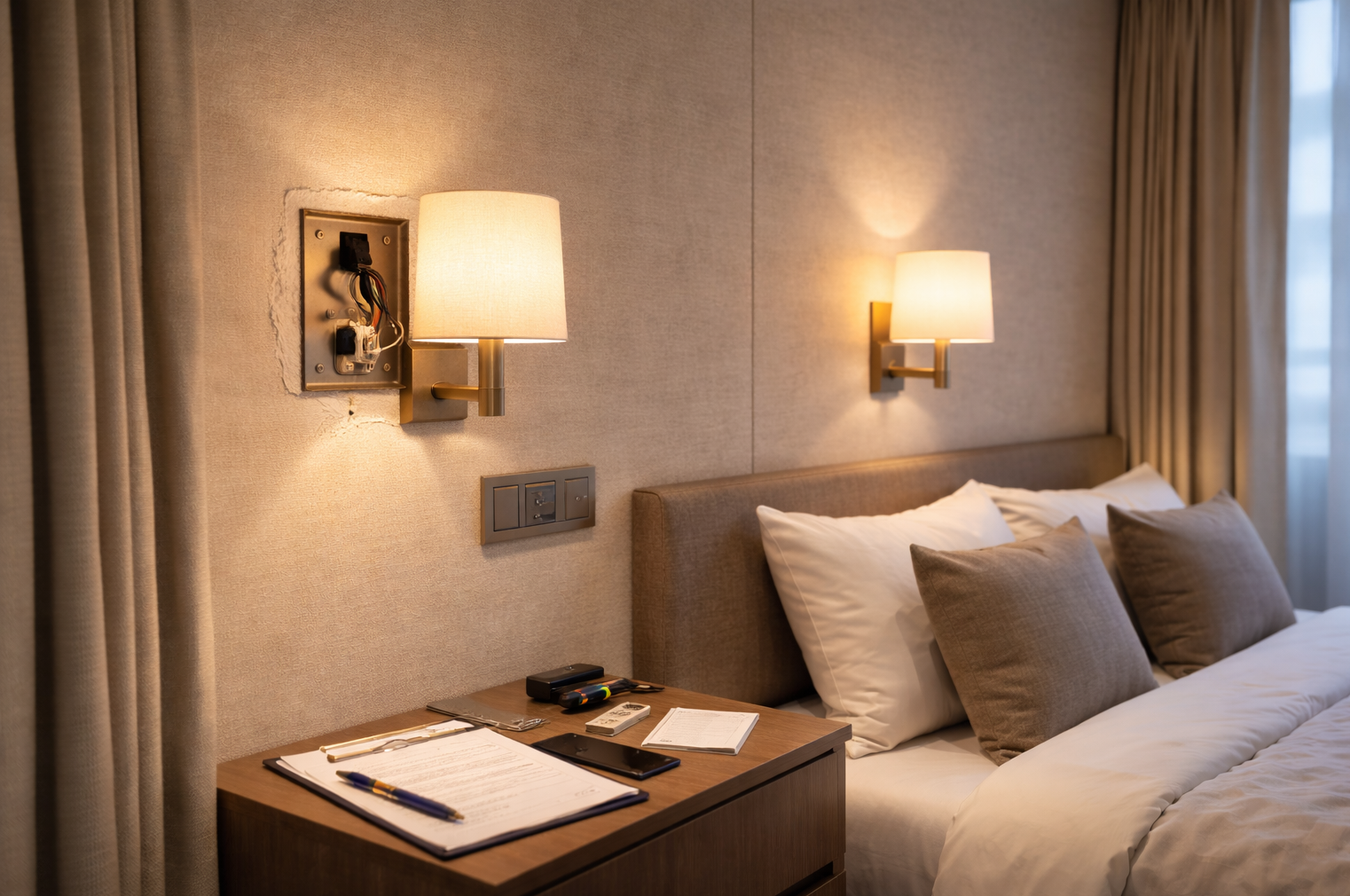 Hotel & Serviced Apartment Refresh: Check Circuits & Dimming Before Choosing Fixtures
 Why multi-stakeholder projects rush timelines but delay decisions
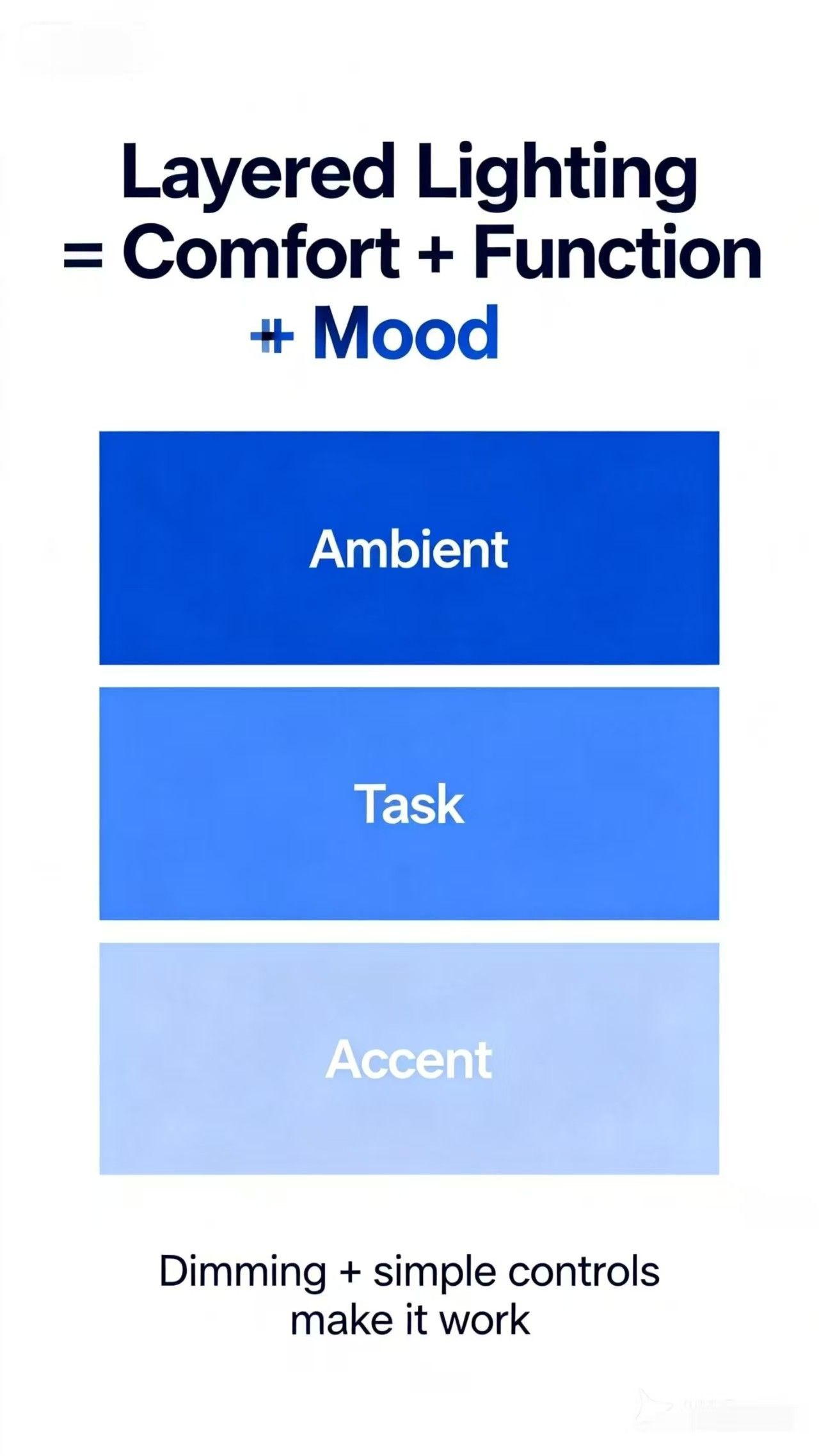 Layered Lighting 101: The Fastest Upgrade That Changes a Home