
The True Cost of Light: Why Quality Sources Save Money Long-Term
The True Cost of Light: Why Quality Sources Save Money Long-Term
Introduction: Looking Beyond the Price Tag
When comparing lighting options, the initial purchase price tells only part of the story. The true cost of ownership includes energy consumption, replacement frequency, and performance over time. This article demonstrates why investing in quality light sources ultimately costs less and delivers better performance than opting for the cheapest available options.
Part 1: The Three Factors of True Cost
Calculate the real expense of your lighting by considering these three components:
Initial Purchase Price: What you pay for the bulb or fixture upfront.
Energy Consumption: The electricity cost over the source's entire lifespan.
Replacement Costs: The expense and labor involved in replacing failed sources.
Quality sources typically cost more initially but save significantly on the second and third factors, delivering better long-term value.
Part 2: Lumen Maintenance - The Secret to Longevity
Lumen maintenance describes how well a light source maintains its brightness over time. This is where quality truly separates from inferior products.
The L70 Standard: Industry standard "lifespan" is measured in hours until the source's output depreciates to 70% of its initial brightness. A quality LED rated for 50,000 hours L70 will still be producing 70% of its original light at that point.
Cheap vs. Quality Performance: Inexpensive LEDs may claim long lifespans but often suffer from poor lumen maintenance, becoming too dim to be useful long before they actually fail completely.
The Thermal Management Factor: Quality LEDs invest in robust heat sinking and thermal management to prevent the excessive heat that causes rapid brightness degradation.
Part 3: The Efficiency Advantage
Higher-quality light sources typically achieve better lumens per watt (efficiency), meaning they produce more light using less electricity.
The Math: A quality 12-watt LED producing 1200 lumens (100 lm/W) vs. a cheaper 15-watt LED producing the same 1200 lumens (80 lm/W) saves 3 watts per hour of operation.
Compound Savings: This 3-watt difference translates to approximately $1.00-$1.50 in annual electricity savings per bulb (at $0.12/kWh). Across dozens of bulbs in a home or hundreds in a business, these savings compound significantly.
Part 4: Calculating Your Return on Investment
Consider this comparison for a single light source used 8 hours daily:
| Cost Factor | Economy LED | Quality LED |
|---|---|---|
| Purchase Price | $3.00 | $8.00 |
| Power Consumption | 15W | 12W |
| Rated Lifespan (L70) | 15,000 hours | 50,000 hours |
| 5-Year Cost* | $29.38 | $21.01 |
*Includes purchase price + electricity at $0.12/kWh
As demonstrated, the higher-quality LED costs less over just five years despite its higher initial price.
Conclusion: Paying for Performance, Not Just Products
When you understand the true cost of light, it becomes clear that quality sources are an investment, not an expense. By paying slightly more upfront for sources with proven lumen maintenance, long lifespan, and high efficiency, you secure years of reliable, consistent lighting while reducing both your energy bills and maintenance headaches. In lighting, quality isn't a luxury—it's the most economical choice.
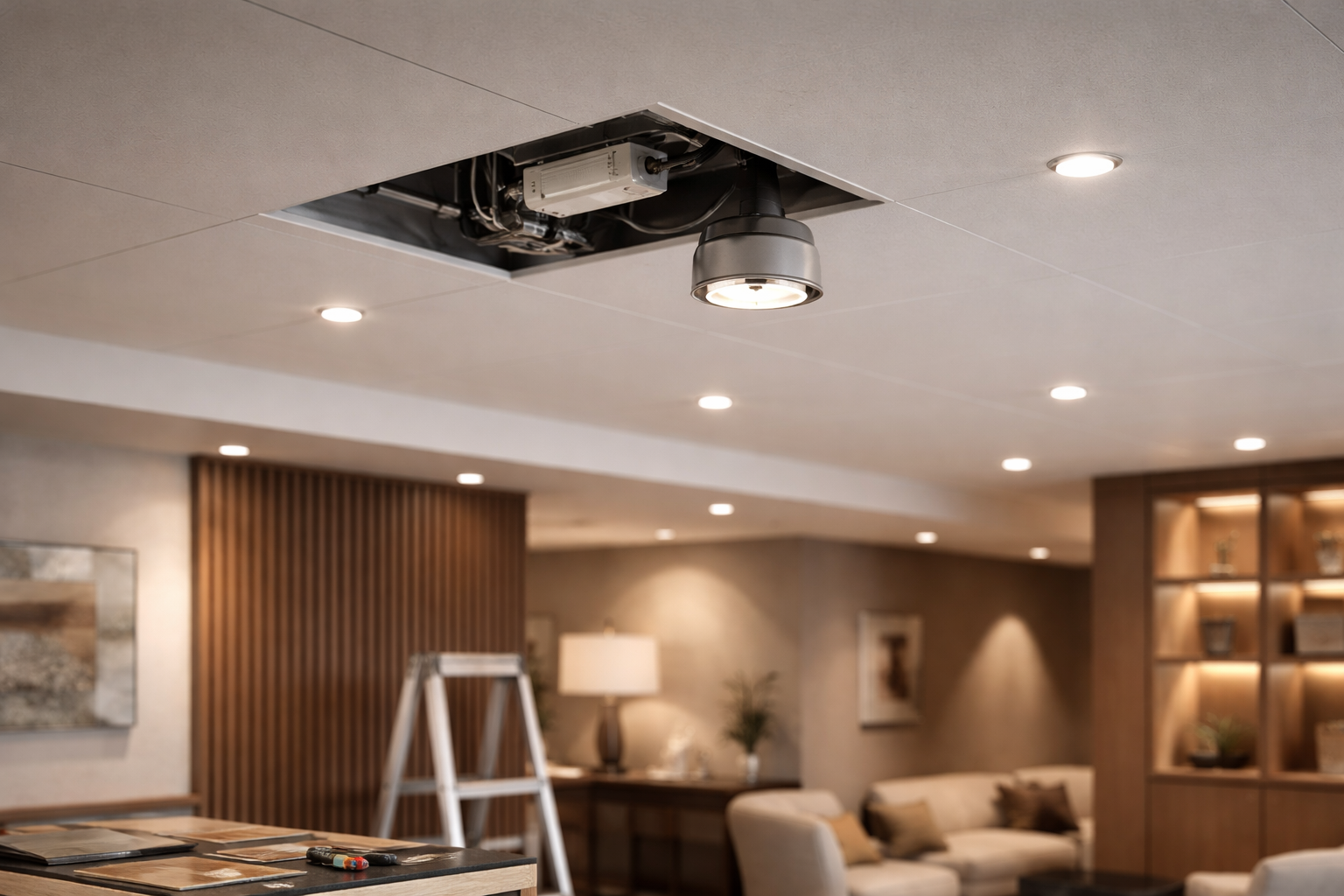 FM Lighting Replacements Without Guessing: Check Driver and Dimming Compatibility Before the Fixture Looks “Ready to Replace”
 Hotel & Serviced Apartment Refresh: Check Circuits & Dimming Before Choosing Fixtures
 Why multi-stakeholder projects rush timelines but delay decisions
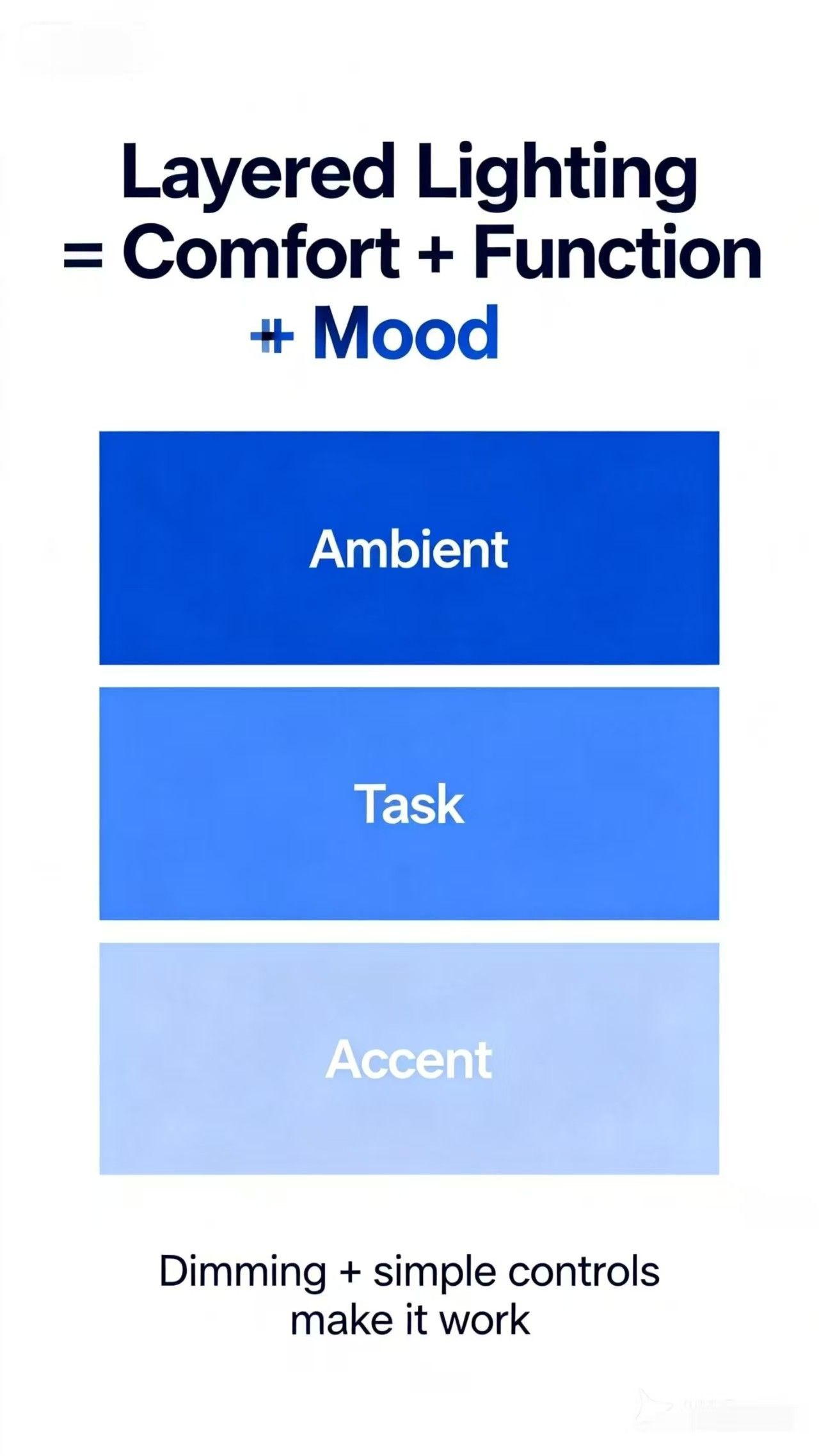 Layered Lighting 101: The Fastest Upgrade That Changes a Home