
The Future of Lighting: Smart Controls and Emerging Trends
Introduction: Lighting's Digital Revolution
Lighting has undergone a profound transformation, evolving from a simple utility for visibility into a dynamic, intelligent network that enhances how we work, live, and interact with our environment. The convergence of solid-state lighting like LEDs with digital technologies is pushing the boundaries of what's possible. The future of lighting is not just about the light source itself, but about the smart controls and emerging trends that make our environments more responsive, efficient, and attuned to human needs. This article explores the key technologies and trends shaping this exciting future, from the rise of the Internet of Things (IoT) to the potential of light to transmit data and improve our health.
The Core of Intelligence: Smart Lighting Controls & Protocols
At the heart of the lighting revolution are the control systems that allow for granular management of every fixture.
From Manual to Automated: Modern systems go far beyond simple on/off switches. They use a combination of sensors (occupancy, daylight, temperature) and intelligent programming to automate lighting, ensuring light is provided only when and where it is needed. This can reduce lighting energy consumption by 40% to 60% in optimized settings .
Wired vs. Wireless Protocols: The backbone of these systems is their communication protocol.
Wired systems like DALI-2 (Digital Addressable Lighting Interface) are known for their high reliability, resilience to interference, and precise control, making them a staple in commercial and industrial buildings .
Wireless protocols are experiencing rapid growth, with options like Zigbee, Bluetooth Mesh, and Thread enabling flexible and scalable installations without the cost of new wiring. The emergence of the Matter standard is a significant development, promising to solve interoperability issues by allowing devices from different manufacturers to work together seamlessly .
Adaptive Control: The most advanced systems use artificial intelligence (AI) to learn from occupant behavior and environmental conditions, predicting needs and automatically adjusting lighting for optimal comfort and efficiency without requiring manual input .
The Connected Ecosystem: IoT and System Integration
Lighting is becoming a key node in the larger network of smart building and city infrastructure.
Beyond Illumination: With IoT integration, a light fixture is no longer just a source of light. It becomes a platform equipped with sensors that can collect data on occupancy, space utilization, air quality, temperature, and more .
Multi-System联动 (Linkage): The true power of IoT lighting is unlocked when it联动s with other building systems. For example, your lighting system can communicate with the HVAC (Heating, Ventilation, and Air Conditioning) system; when sensors detect a room is empty, they can signal the lights to turn off and also adjust the temperature to an energy-saving setpoint .
The Urban Nerve Net: On a city scale, connected street lights are forming dense networks of data collection points. These "smart poles" can monitor traffic flow, detect accidents, measure pollutants, and even host public Wi-Fi and electric vehicle charging stations, becoming a foundational element of the smart city .
Lighting for Well-being: Human Centric Lighting (HCL)
One of the most significant trends is the focus on how light impacts human health and performance.
Syncing with Circadian Rhythms: Human Centric Lighting (HCL) aims to support our natural 24-hour biological cycle by dynamically adjusting the color temperature and intensity of electric light to mimic the natural progression of daylight—energizing cool, blue-rich light during the day and warmer, softer light in the evenings .
Proven Benefits: Exposure to HCL has been linked to improved sleep quality, enhanced mood and concentration during the day, and better overall well-being, particularly for people with limited access to natural daylight .
Personalized Environments: Advanced HCL systems can create personalized lighting scenes for individuals, whether it's a "focus" mode in an office or a "winding down" setting in a living space, all contributing to a healthier light environment .
On the Horizon: Emerging Technologies Set to Transform Lighting
The innovation in lighting technology continues at a rapid pace, with several promising developments on the horizon.
Li-Fi (Light Fidelity): This technology uses visible light from LED bulbs to transmit data wirelessly, offering potential speeds far exceeding conventional Wi-Fi. While still in early adoption stages, Li-Fi provides a highly secure and interference-free communication solution, ideal for settings like hospitals and aircraft .
OLED (Organic Light-Emitting Diode): Unlike point-source LEDs, OLEDs are surface-based, emitting a diffuse, uniform, and glare-free light. This makes them ideal for creating entirely new lighting designs, such as luminous walls and windows, offering a new aesthetic for architectural lighting .
Advanced Materials and Sustainability: The industry is increasingly focusing on the entire product lifecycle. This includes using more recyclable materials, designing for disassembly, and further increasing the already exceptional lifespan and efficiency of LEDs to minimize environmental impact .
Market Outlook and Conclusion
The global smart lighting market is on a strong growth trajectory, driven by energy efficiency regulations, technological advancements, and rising consumer demand for smart home solutions. The smart lighting market is projected to grow into a $440 billion market by 2030 , highlighting the massive scale of this transformation.
In conclusion, the future of lighting is a fascinating convergence of technology, biology, and design. Lighting is evolving from a passive tool into an active, intelligent partner in our spaces. It will not only help us see better but also help us feel and perform better, all while contributing to a more sustainable and connected world. The journey has already begun, and the future is looking brilliantly adaptive, personalized, and efficient.
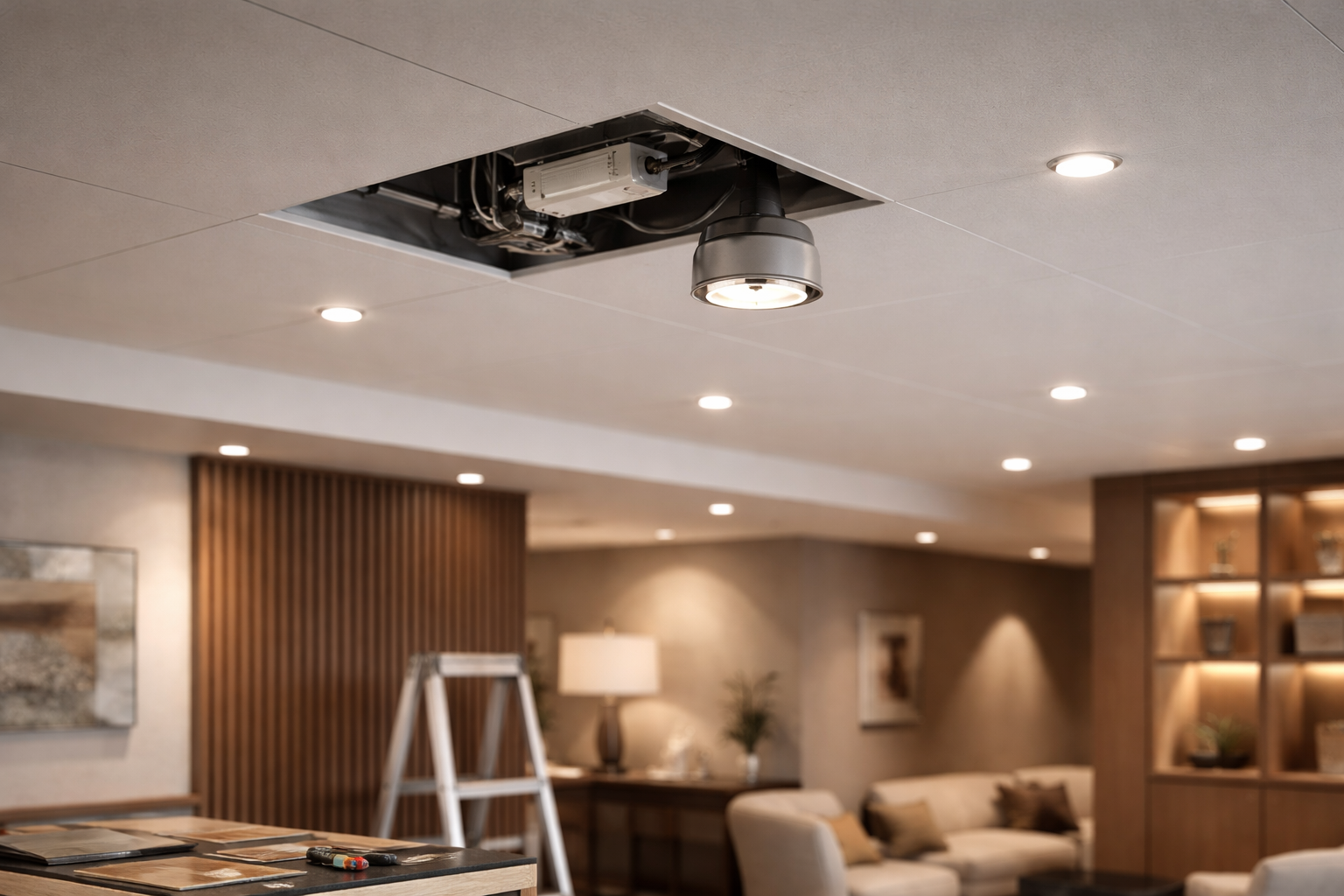 FM Lighting Replacements Without Guessing: Check Driver and Dimming Compatibility Before the Fixture Looks “Ready to Replace”
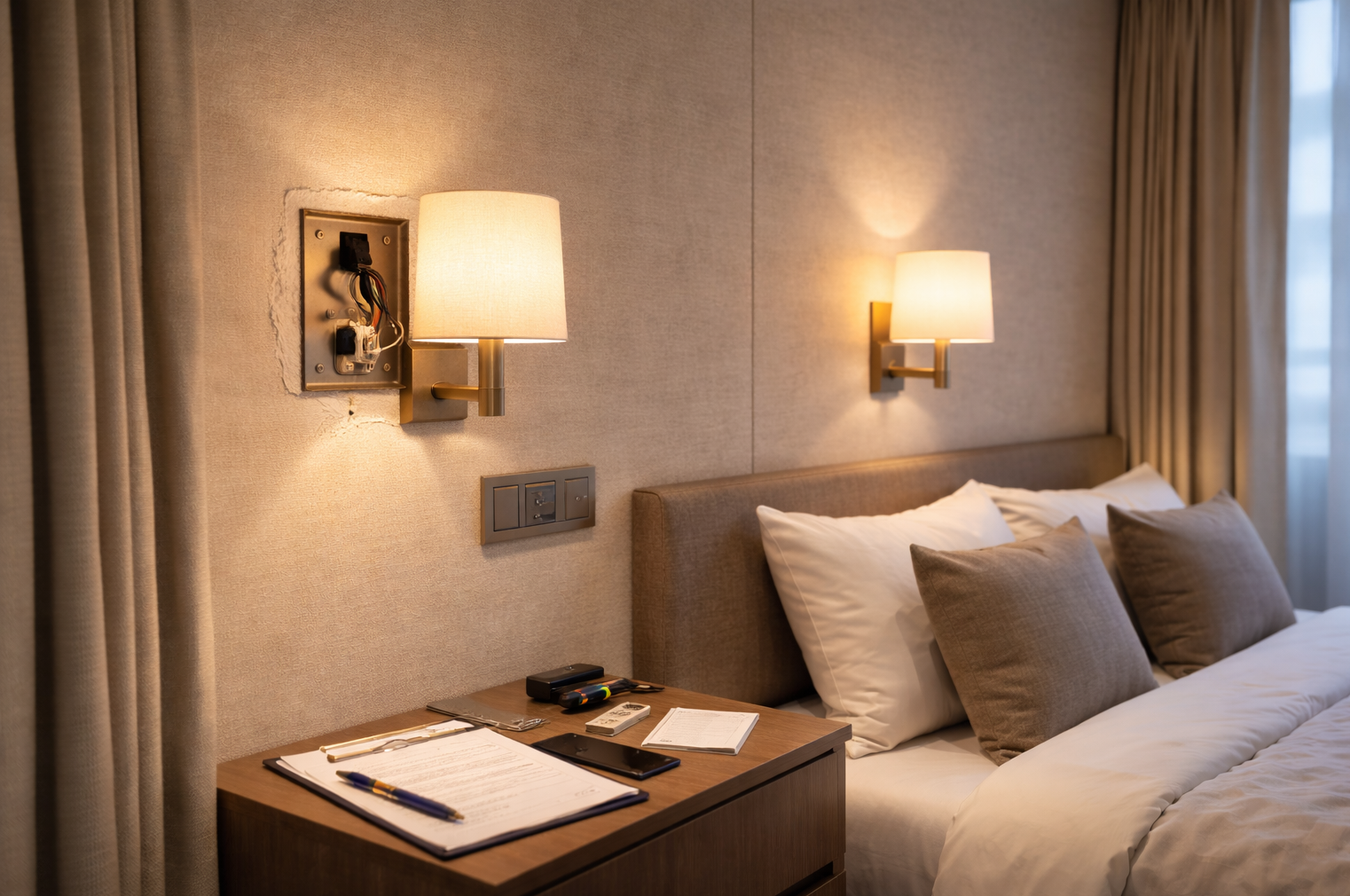 Hotel & Serviced Apartment Refresh: Check Circuits & Dimming Before Choosing Fixtures
 Why multi-stakeholder projects rush timelines but delay decisions
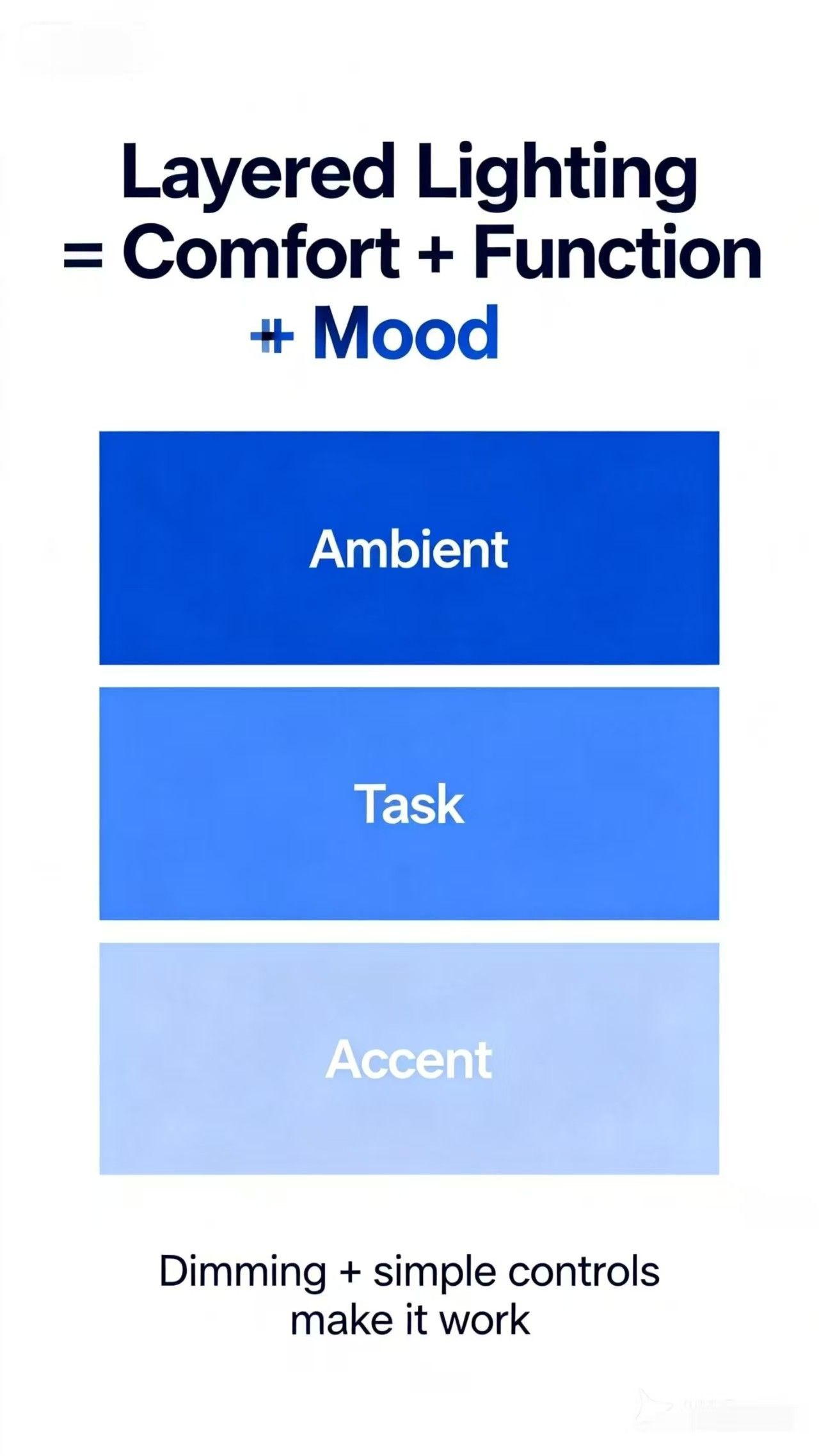 Layered Lighting 101: The Fastest Upgrade That Changes a Home