
Anatomy of a Light Fixture: A Design and Components Guide
Introduction: More Than Just a Bulb
A light fixture, often called a luminaire, is far more than just a holder for a light bulb. It is a carefully engineered system designed to safely house a light source, manage the electrical current it requires, control the distribution and quality of the emitted light, and ensure the entire assembly operates reliably over its lifespan. Understanding its anatomy is key to appreciating good lighting design, whether for a home, office, or specialized environment like a theater stage or street light .
This guide will dissect a standard light fixture, exploring the function and design of each critical component.
The Core Components: A Detailed Breakdown
A typical light fixture comprises several key subsystems that work in concert.
1. The Lamp (The Light Source)
The lamp, commonly referred to as the bulb, is the component that actually produces light.
Function: To generate illumination through various technologies.
Types: Common types include Incandescent, Fluorescent, Light-Emitting Diode (LED), and Halogen lamps . LEDs have become the dominant type due to their high efficiency and long life. In specialized fixtures, like those for theater stages, the light source is a critical part of the assembly designed to project a beam .
2. The Socket (Lamp Holder)
The socket is the interface that provides a secure mechanical mount and an electrical connection for the lamp.
Function: To hold the lamp in place and deliver electricity to it.
Design: Sockets are designed for specific lamp bases (e.g., Edison screw, bi-pin). They are typically made from heat-resistant and electrically insulating materials like porcelain or high-temperature plastics.
3. The Power Regulation: Ballasts and Drivers
Not all light sources can be connected directly to a power source. This is where regulation is critical.
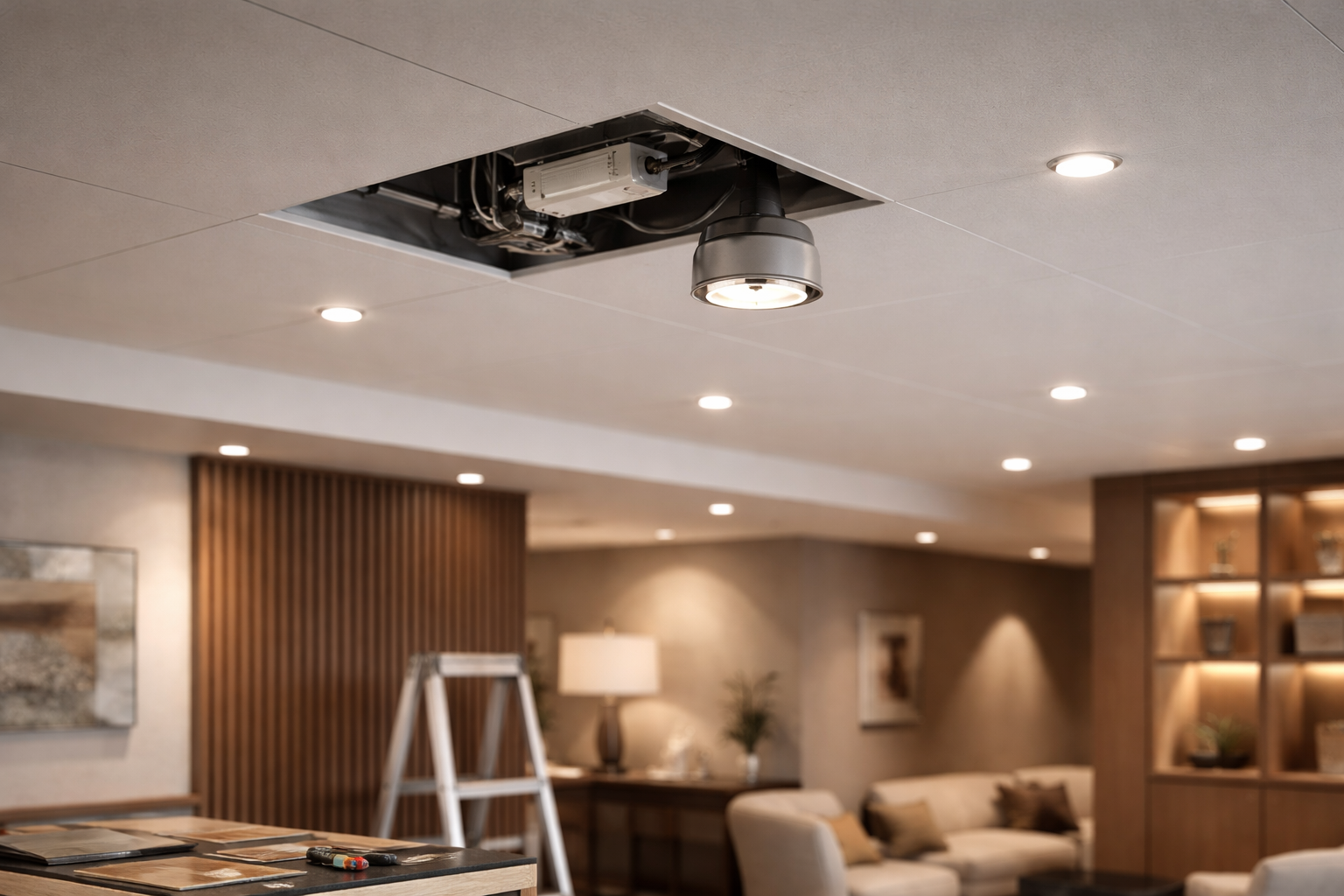
Ballast: Used for fluorescent and gas-discharge lamps, the ballast is a device that regulates the electric current provided to the lamp . It provides the high voltage needed to start the lamp and then limits the current to prevent it from burning out.
LED Driver: For LED lamps, a driver performs a similar function. It converts alternating current (AC) to the appropriate direct current (DC) voltage and current, ensuring stable operation and protecting the LEDs from voltage fluctuations.
4. Optics: Controlling the Light
One of a fixture's most important jobs is to control the light emitted by the lamp. This is achieved through optical components.
Reflectors: These are surfaces, often parabolic or elliptical in shape, that surround the fixture and help to aim or focus the light . They are crucial in applications like street lights , flashlights, and theatrical spotlights for directing light efficiently where it is needed. Historical lighthouse apparatus also used elaborate arrangements of parabolic reflectors to concentrate and project light .
Diffusers and Lenses: A diffuser is used to spread out the emitted light so that it more effectively and evenly covers the area it is intended to illuminate, reducing glare and harsh shadows . A lens is an optical element that can focus or spread light. In some advanced fixtures, the lens assembly may be detachable and include a diffuser inlay to provide an aesthetically pleasing appearance while efficiently distributing light .
5. The Housing (Fixture Body)
The housing is the physical structure that encloses and protects all the other components.
Function: To provide structural integrity, protect against environmental factors (like moisture and dust), and ensure user safety. It also plays a major role in the fixture's aesthetics.
Materials: Housings can be made from sheet metal, aluminum, steel, plastic, or glass, chosen based on the fixture's application, cost, and desired thermal performance.
6. Thermal Management
Especially critical for high-power and LED fixtures, thermal management systems dissipate excess heat.
Function: To draw heat away from the light source and sensitive electronic components (like the driver), preventing overheating which can drastically reduce lifespan and light output.
Components: This system often consists of heat sinks, which are finned structures made of thermally conductive materials like aluminum that increase the surface area for heat dissipation.
Specialized Components in Different Fixtures
The core anatomy can vary significantly based on the fixture's purpose.
Street Lights: The infrastructure generally has three visible primary components: the pole, the arm, and the luminaire (fixture) itself. On top of the luminaire is a photocell that automatically turns the light on at dusk and off at dawn .
Theatrical & Stage Fixtures: These are highly complex, containing beam-shaping blades that are adjustable to create different geometric shapes, and a suite of light influencing elements including lenses, irises, and patterns (gobos) to create dramatic effects . They are built into a specialized housing with a light beam exit aperture .
Recessed Troffers: Common in office ceilings, these fixtures may use a combination of a reflector assembly to support the lamp and direct light, and a lens assembly with end caps to distribute light evenly and reduce glare .
Design Considerations: Form Meets Function
When designing or selecting a light fixture, several factors are balanced:
Aesthetics: The fixture must look good and fit the design language of the space.
Efficiency: The design of the optics (reflectors, lenses) directly impacts how much of the lamp's light is actually used effectively.
Glare Control: Proper shielding and diffusing are essential to create a comfortable visual environment .
Light Distribution: The fixture must provide the right pattern of light (e.g., wide flood, narrow spot) for the task.
Conclusion: The Sum of Its Parts
A light fixture is a sophisticated assembly where every component, from the robust housing and reliable socket to the efficient driver and precisely engineered optics, plays a vital role. Understanding this anatomy empowers designers, architects, and homeowners to make smarter lighting choices, ensuring their selections are not only beautiful but also functional, efficient, and built to last. As lighting technology continues to evolve with smarter controls and more advanced materials, the fundamental components outlined in this guide will remain the building blocks of effective illumination.
 FM Lighting Replacements Without Guessing: Check Driver and Dimming Compatibility Before the Fixture Looks “Ready to Replace”
 Hotel & Serviced Apartment Refresh: Check Circuits & Dimming Before Choosing Fixtures
 Why multi-stakeholder projects rush timelines but delay decisions
 Layered Lighting 101: The Fastest Upgrade That Changes a Home