
Understanding LED Lighting: Technology and Benefits
What is an LED?
LED stands for Light Emitting Diode. Unlike traditional light bulbs, an LED is a solid-state semiconductor device . Its core structure is a chip comprising two types of semiconductor materials: a P-type and an N-type, which together form a P-N junction . When an electrical current is applied in the forward direction, electrons from the N-type region and holes (positive charges) from the P-type region combine at this junction. During this combination process, energy is released in the form of photons, which we perceive as light . The specific color of the light emitted is determined by the energy bandgap of the semiconductor material used .
The Evolution of LED Technology
The journey of LED technology began in the 1960s with the first practical red LEDs . For decades, LEDs were primarily used as indicator lights for electronic devices, emitting only red, yellow, and green light with relatively low efficiency . The breakthrough that paved the way for general lighting was the invention of the blue LED in the 1990s . This, combined with the development of phosphor coatings, allowed for the creation of white light. A common method to produce white light involves using a blue LED chip coated with a yellow phosphor; the mixture of blue and yellow light creates a white appearance . Continued material science research has since dramatically improved the luminous efficacy (lumens per watt) of white LEDs, making them a viable and superior alternative to traditional light sources .
Key Benefits of LED Lighting
1. High Energy Efficiency and Cost Savings
LEDs are extremely efficient at converting electrical energy into light. They operate on the principle of electroluminescence, which directly produces visible light with minimal heat waste . Traditional incandescent bulbs waste about 80% of their energy as heat . In contrast, LED's light spectrum is almost entirely concentrated in the visible light band, with an efficiency of 80-90% . This translates to massive energy savings; for example, an LED bulb can use as little as 10% of the energy of an equivalent incandescent bulb to produce the same amount of light . This efficiency directly results in significantly lower electricity bills.
2. Exceptionally Long Lifespan
One of the most compelling advantages of LEDs is their remarkably long operational life. While a typical incandescent bulb may last about 1,000 hours and a compact fluorescent lamp (CFL) around 8,000 hours, LEDs can provide light for 50,000 to 100,000 hours . This means an LED bulb used for 8 hours a day could last for over 17 years. This incredible longevity drastically reduces replacement costs and maintenance efforts, particularly in commercial or hard-to-reach applications.
3. Superior Durability and Safety
LEDs are solid-state lights (SSL) with no fragile glass envelope or delicate filament . They are encapsulated in robust epoxy resin, making them highly resistant to shock, vibration, and impact . Furthermore, LEDs operate at very low voltages , reducing the risk of electric shocks. They also emit very little infrared radiation and no ultraviolet (UV) radiation, making them safer for illuminating sensitive objects like artwork and fabrics .
4. Eco-Friendly and "Green"
LED lighting is a cornerstone of green technology. Most significantly, LEDs contain no mercury or other hazardous materials, unlike fluorescent lamps which use mercury vapor . This makes their disposal safer and less harmful to the environment. Combined with their low energy consumption, which reduces greenhouse gas emissions from power plants, LEDs offer a much more sustainable lighting solution .
5. Excellent Light Quality and Controllability
Modern LEDs offer superb color rendering (ability to reveal the true colors of objects) . They are also available in a wide range of color temperatures, from warm, cozy yellows (similar to incandescents) to cool, crisp daylight tones, allowing you to set the perfect ambiance for any space. Additionally, LEDs are inherently dimmable and have an almost instantaneous response time (in nanoseconds), with no warm-up delay, making them ideal for applications requiring frequent switching or rapid response, like automotive brake lights
LEDs vs. Traditional Lighting: A Clear Comparison
A Guide to Common LED Applications
Residential & Commercial Lighting: The primary use, including downlights, track lights, panel lights for offices, and streetlights .
Architectural and Landscape Lighting: Used for highlighting building facades, bridges, and outdoor spaces like gardens and pathways due to their small size, long life, and color options .
Automotive Lighting: Widely adopted for brake lights, turn signals, and daytime running lights (DRLs) because of their fast response time, enhancing road safety .
Backlighting: Serves as the light source for LCD displays in televisions, computer monitors, and smartphones .
Signals and Indicators: The original application, still used in traffic signals, exit signs, and status indicators on electronics .
Conclusion: The Future is LED
LED technology represents a fundamental shift in how we produce light. Its superior energy efficiency, long lifespan, robust durability, and environmental benefits make it the undisputed choice for modern lighting. While the initial purchase price has historically been higher, the dramatic reduction in energy bills and replacement costs ensures a strong return on investment over time. As technology continues to advance, LEDs will become even more efficient and integrated into the smart, connected systems of our future homes and cities. Making the switch to LED lighting is a simple yet powerful step toward a more sustainable, cost-effective, and well-lit world.
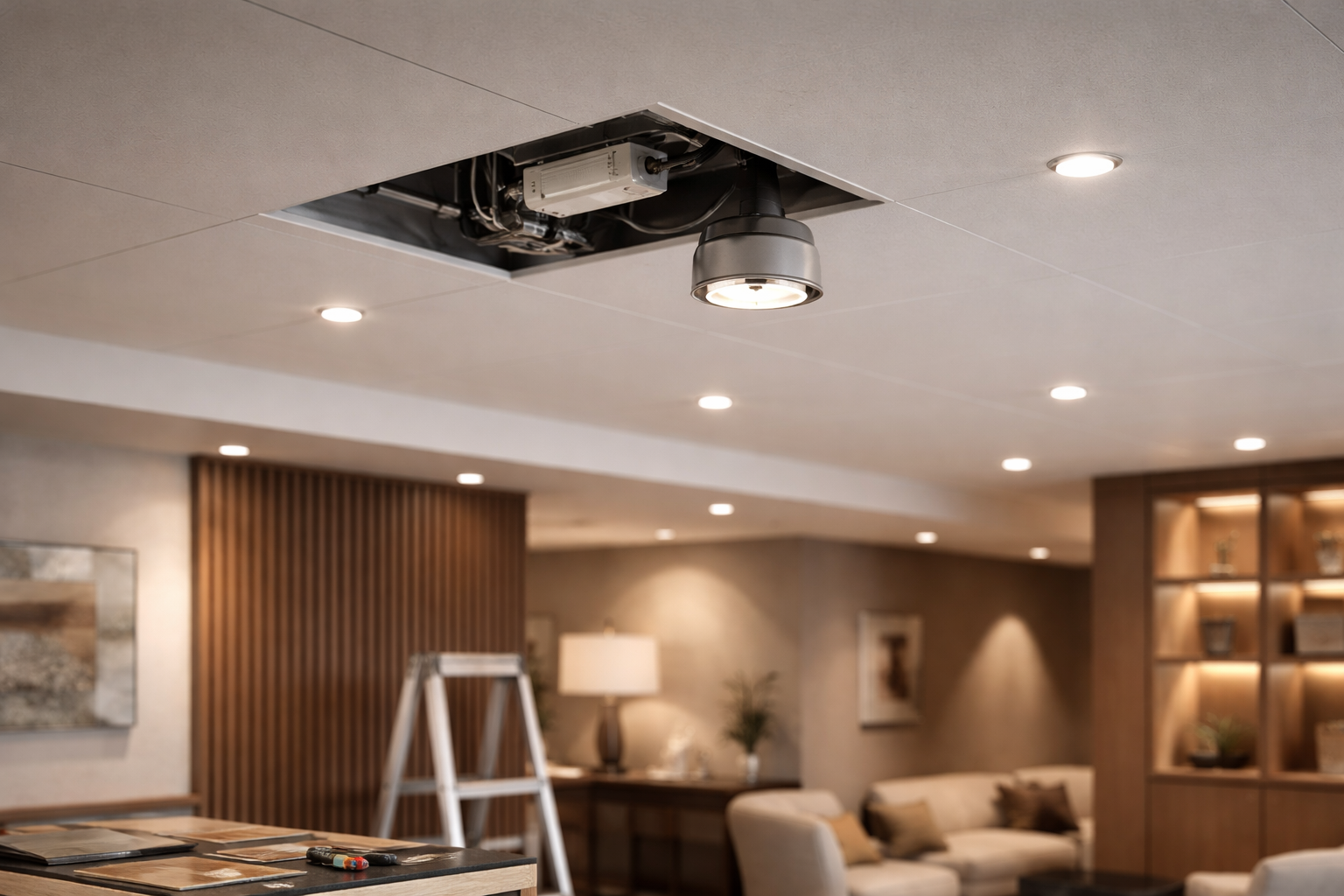 FM Lighting Replacements Without Guessing: Check Driver and Dimming Compatibility Before the Fixture Looks “Ready to Replace”
 Hotel & Serviced Apartment Refresh: Check Circuits & Dimming Before Choosing Fixtures
 Why multi-stakeholder projects rush timelines but delay decisions
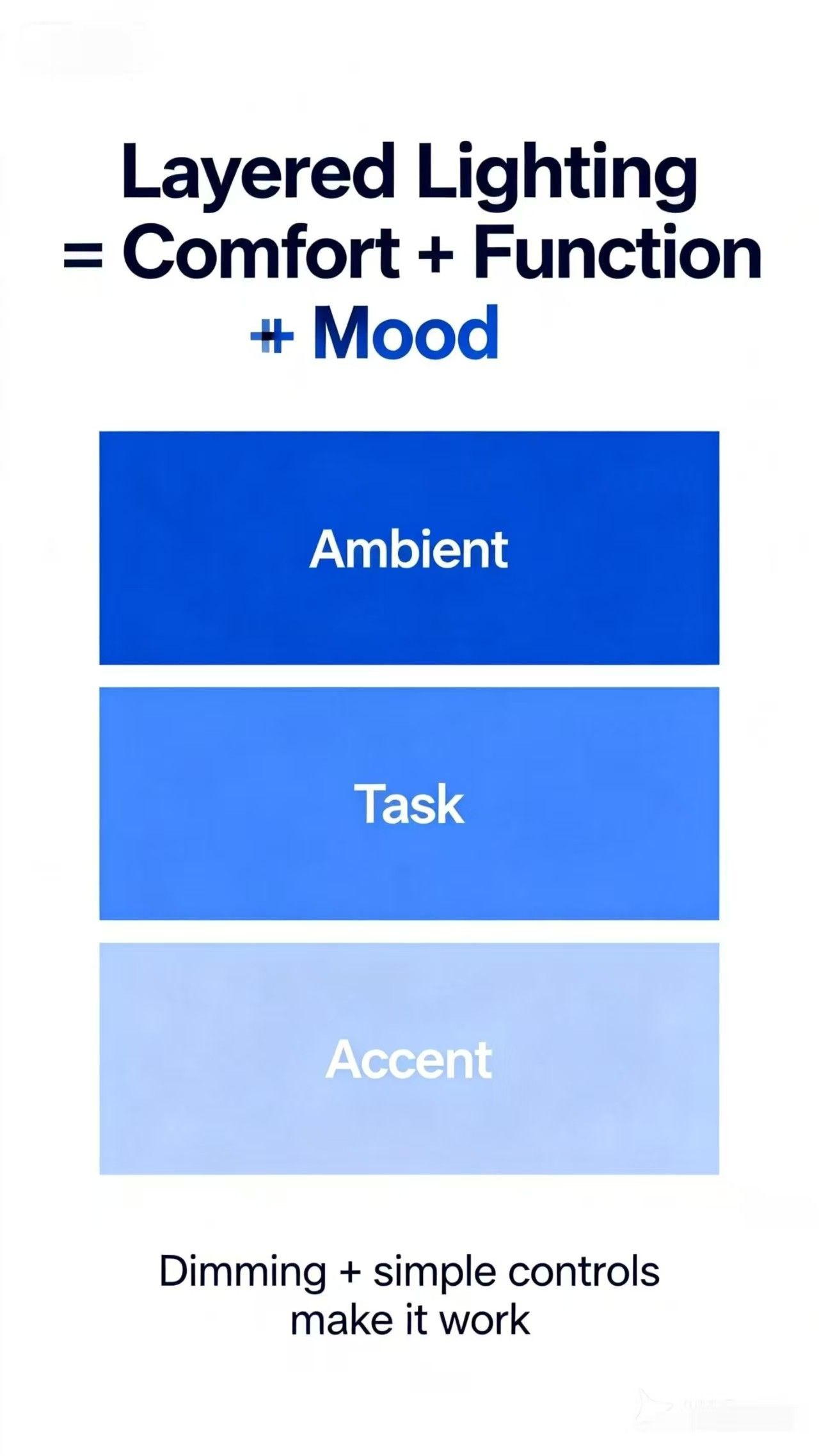 Layered Lighting 101: The Fastest Upgrade That Changes a Home