
Bollard Lights for Commercial Projects: Specification, Customization & Value Engineering
Bollard Lights for Commercial Projects: Specification, Customization & Value Engineering
In commercial, civic, and hospitality projects, bollard lights transcend mere site furnishings; they become integral architectural elements that define space, ensure safety, and communicate brand identity. Specifying for these projects requires a holistic approach that balances aesthetic vision, rigorous performance requirements, and long-term operational value.
1. The Project Mindset: Bollards as Placemaking Infrastructure
For a hotel resort, university campus, municipal park, or corporate headquarters, lighting is a critical component of placemaking.
Wayfinding & Legibility: Bollards help users intuitively navigate complex sites, subtly guiding from parking lots to entries, through quads, and along scenic routes.
Identity & Branding: The design, finish, and layout of the fixtures contribute directly to the site’s character—whether it’s the sleek modernity of a tech campus, the timeless elegance of a luxury hotel, or the robust functionality of a civic space.
Safety & Security: Consistent, high-quality illumination deters crime, prevents accidents, and meets insurance and regulatory requirements for public spaces.
2. The Specification & Customization Workflow
Off-the-shelf solutions rarely suffice for signature projects. A collaborative specification process is key.
Custom Finishes: Match any RAL, Pantone, or custom color with durable powder coatings. Specify special metallic finishes like Bronze PVD (Physical Vapor Deposition), Brushed Brass, or Corten steel for a distinct, upscale appearance.
Custom Designs: Modify standard products to suit architectural needs. This includes custom heights, unique perforated or laser-cut patterns in the housing to cast decorative shadows, integrating site or brand logos, and designing custom base plates or mounting solutions for challenging substrates.
Comprehensive Documentation: Demand professional support: detailed CAD drawings, BIM objects (Revit families), IES photometric files for lighting calculations, and installation detail sheets. This integration into the project’s digital model is standard for professional practice and prevents costly field errors.
3. Performance Requirements for Demanding Environments
Commercial fixtures must be engineered for durability and low maintenance.
Vandal & Impact Resistance: In public areas, specify IK10 rated fixtures with anti-tamper fasteners (e.g., hex-head or security bolts). Lenses should be polycarbonate or fully laminated safety glass.
Maintenance Accessibility: Design for easy servicing. Features like tool-less, hinged access to the LED engine and driver, or a modular “gear tray” that lifts out, drastically reduce maintenance time and cost over the fixture’s life.
Dark-Sky & Light Trespass Compliance: Use fully shielded or cut-off optics that direct light downward, minimizing upward light pollution (meeting IDA/Fixture Seal of Approval guidelines). Asymmetric optics ensure light stays on the intended path, not spilling into adjacent properties.
4. Demonstrating Value: The Total Cost of Ownership (TCO) Argument
Justifying premium fixtures requires a financial narrative beyond first cost.
Lifecycle Cost Analysis: Present a TCO comparison. While a premium bollard may have a 30% higher initial cost, its 50% higher efficacy (lm/W) and L90 > 100,000-hour rating mean dramatically lower energy and replacement costs over 15-20 years. Factor in reduced maintenance labor due to accessible design.
Value Engineering, Not Cost Cutting: Work with the project team to achieve savings without compromising the experience. This might mean using a standard finish on most units with a custom finish only at key gateways, or selecting a slightly simpler, equally durable model for secondary pathways.
The ROI of Cohesive Design: A unified, high-quality lighting scheme enhances property value, improves user satisfaction and safety, and strengthens brand perception. It is an investment in the asset’s quality and reputation.
Conclusion: The Strategic Specification
Specifying bollard lighting for a major project is a strategic decision. It requires a partner, not just a supplier—one who can collaborate on design, provide robust technical data, offer meaningful customization, and articulate the long-term value of a quality installation. The result is not just illuminated ground, but a thoughtfully crafted nighttime environment that serves users, honors the architecture, and endures with minimal burden for decades.
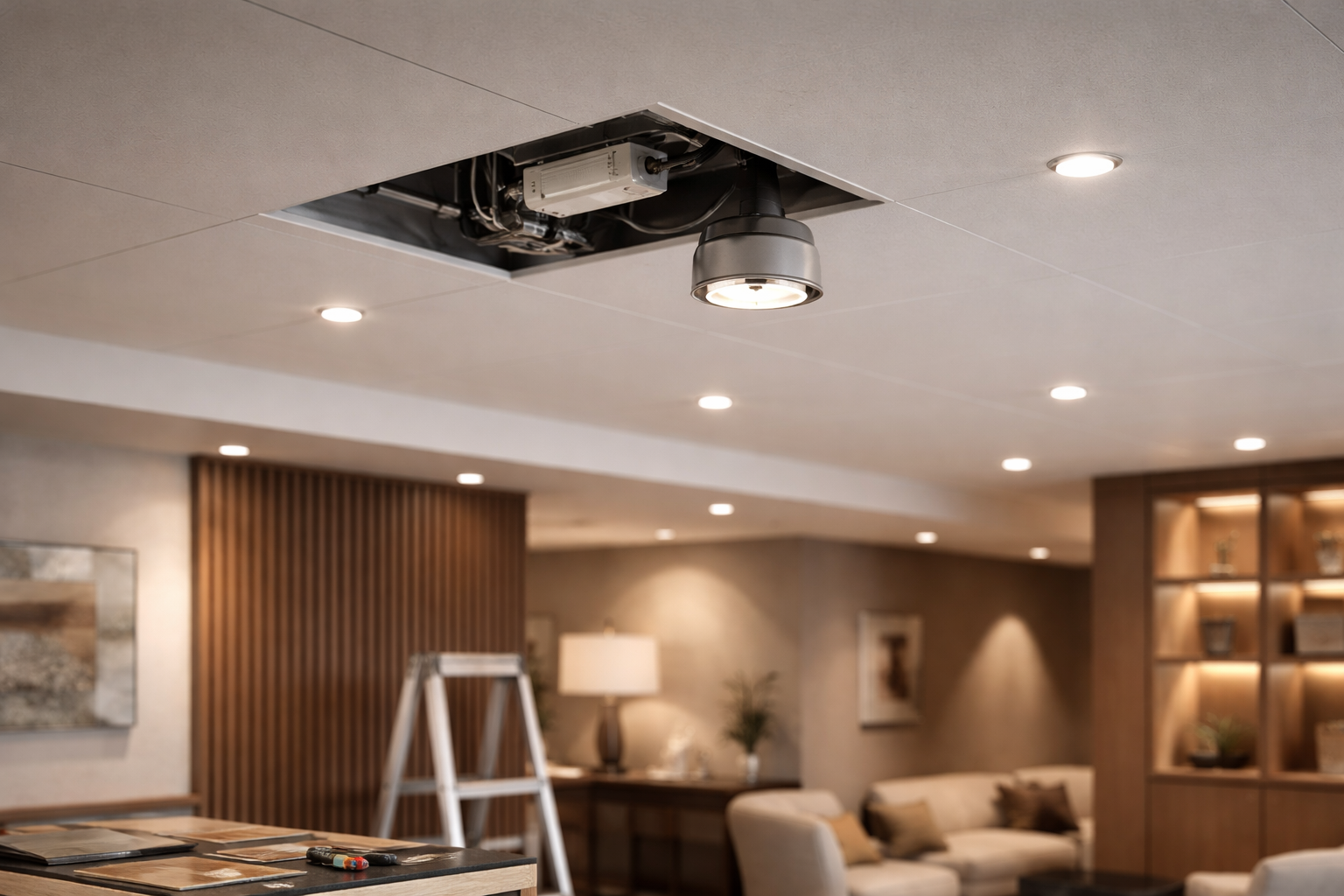 FM Lighting Replacements Without Guessing: Check Driver and Dimming Compatibility Before the Fixture Looks “Ready to Replace”
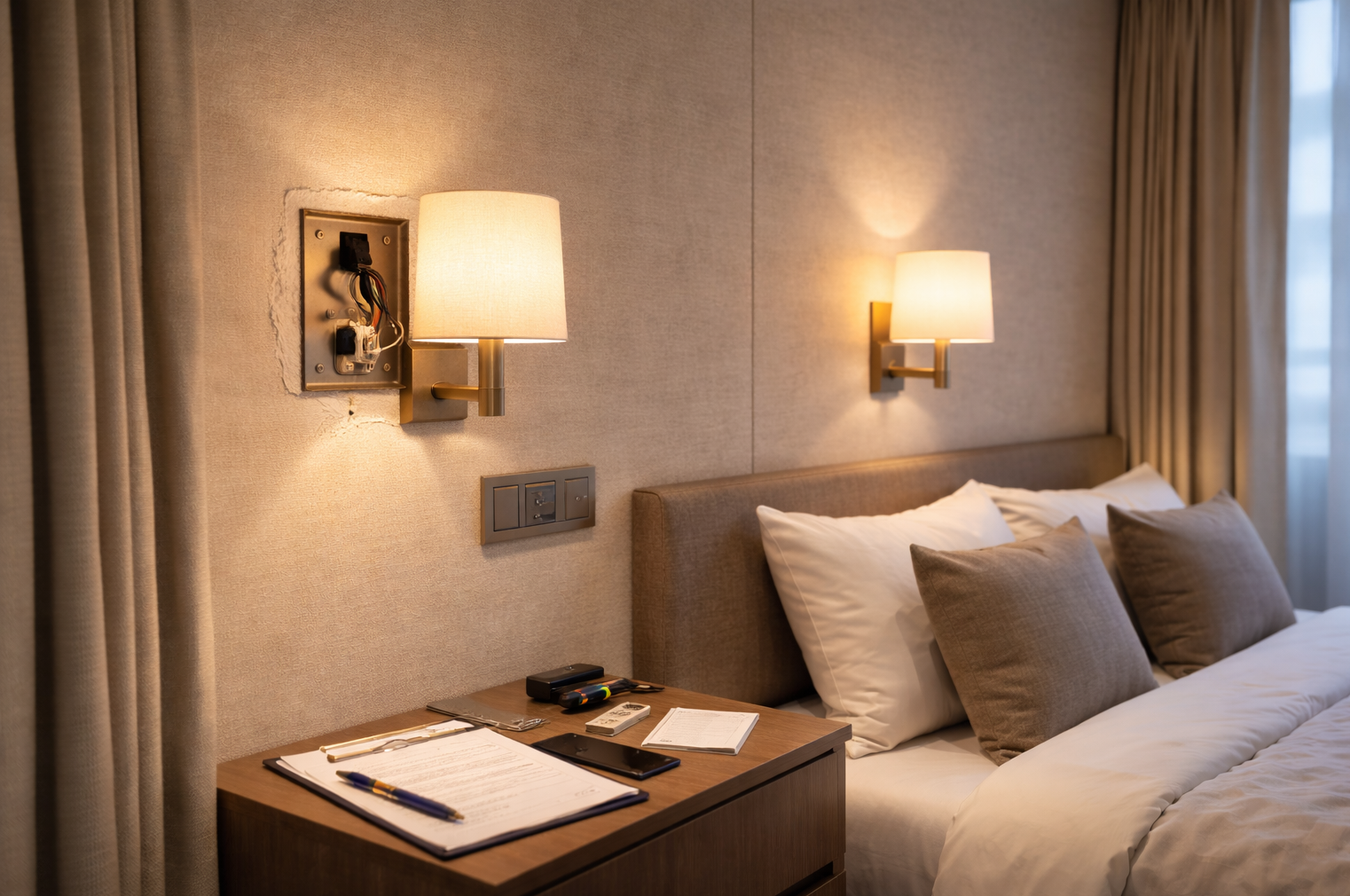 Hotel & Serviced Apartment Refresh: Check Circuits & Dimming Before Choosing Fixtures
 Why multi-stakeholder projects rush timelines but delay decisions
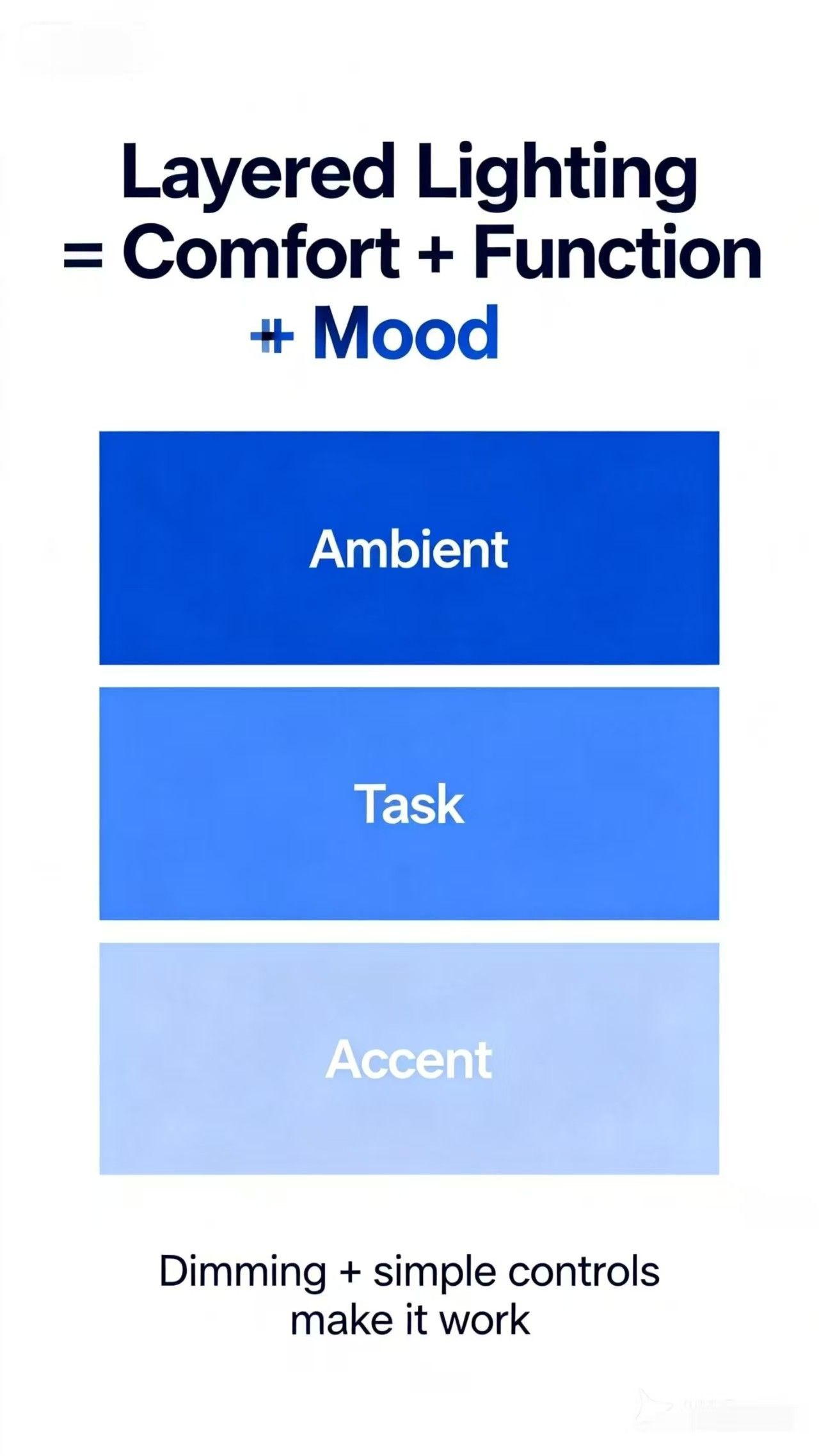 Layered Lighting 101: The Fastest Upgrade That Changes a Home