
Safe Passage: A Guide to Effective Path, Step, and Driveway Lighting
Illuminating the Way: The Science of Safe Circulation
The primary functional role of outdoor lighting is to ensure safe movement. Poorly executed path lighting can be worse than none at all, creating blinding glare or treacherous pools of shadow. Effective safety lighting is deliberate, subtle, and guided by core ergonomic principles.
The Golden Rules of Path Lighting
Low Glare, Shielded Sources: The light source should never be directly visible to someone walking. Use fixtures with hooded tops, louvers, or deep recesses that cast light downward and sideways onto the path, not into the eyes. Bollard lights with top-facing diffusers are excellent for this.
Consistent Spacing and Height: Fixtures should be placed at a consistent height (typically 14-24 inches) and spaced evenly to create a rhythmic “runway” effect. The goal is to light the path edges, not the center, so two parallel rows are often more effective than a single center row. Spacing should be 8-10 feet apart, so pools of light gently overlap.
Contrast is Key: The human eye navigates by perceiving contrast. The goal is to make the path surface slightly brighter than its immediate surroundings (lawn, mulch), clearly defining the walking zone.
Step and Stair Lighting: Non-Negotiable Safety
Stairs are a major hazard and require dedicated, focused lighting.
Riser Lights: The most effective method. Small, recessed LED fixtures installed directly into the vertical face (riser) of each step illuminate the tread below perfectly, casting no shadows. They are discreet and highly functional.
Side Lighting: Installing low bollards or spike lights beside a staircase can also work, but must be carefully aimed to avoid casting shadows across the treads from the railing or the person walking.
Driveway and Entrance Lighting
This lighting serves both safety and security.
Definition: Use fixtures to clearly delineate the driveway edges from the lawn, especially at curves. A row of low-profile driveway marker lights or well lights can achieve this.
Entry Clarity: Ensure the area around the garage door and front entry is well-lit with overlapping light from wall sconces, overhead porch lights, and/or landscape lights to eliminate dark corners and provide clear visibility for unlocking doors.
Conclusion: Confidence in Every Step
Great safety lighting is felt, not seen. It works subconsciously, guiding feet intuitively and preventing missteps without the user ever noticing the fixtures themselves. By adhering to these principles of shielding, consistency, and contrast, you create an environment where moving through your property at night is not just safe, but effortlessly comfortable.
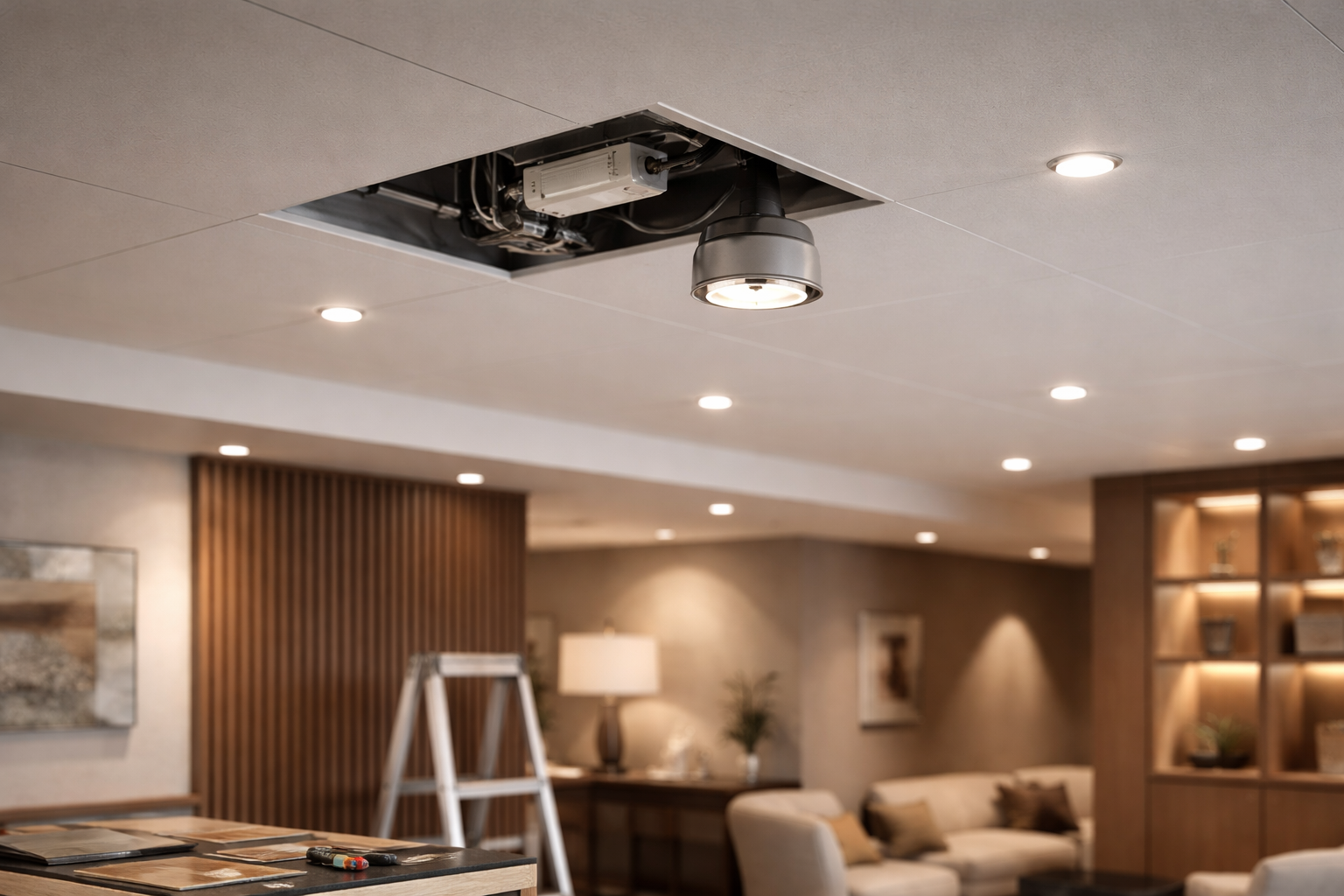 FM Lighting Replacements Without Guessing: Check Driver and Dimming Compatibility Before the Fixture Looks “Ready to Replace”
 Hotel & Serviced Apartment Refresh: Check Circuits & Dimming Before Choosing Fixtures
 Why multi-stakeholder projects rush timelines but delay decisions
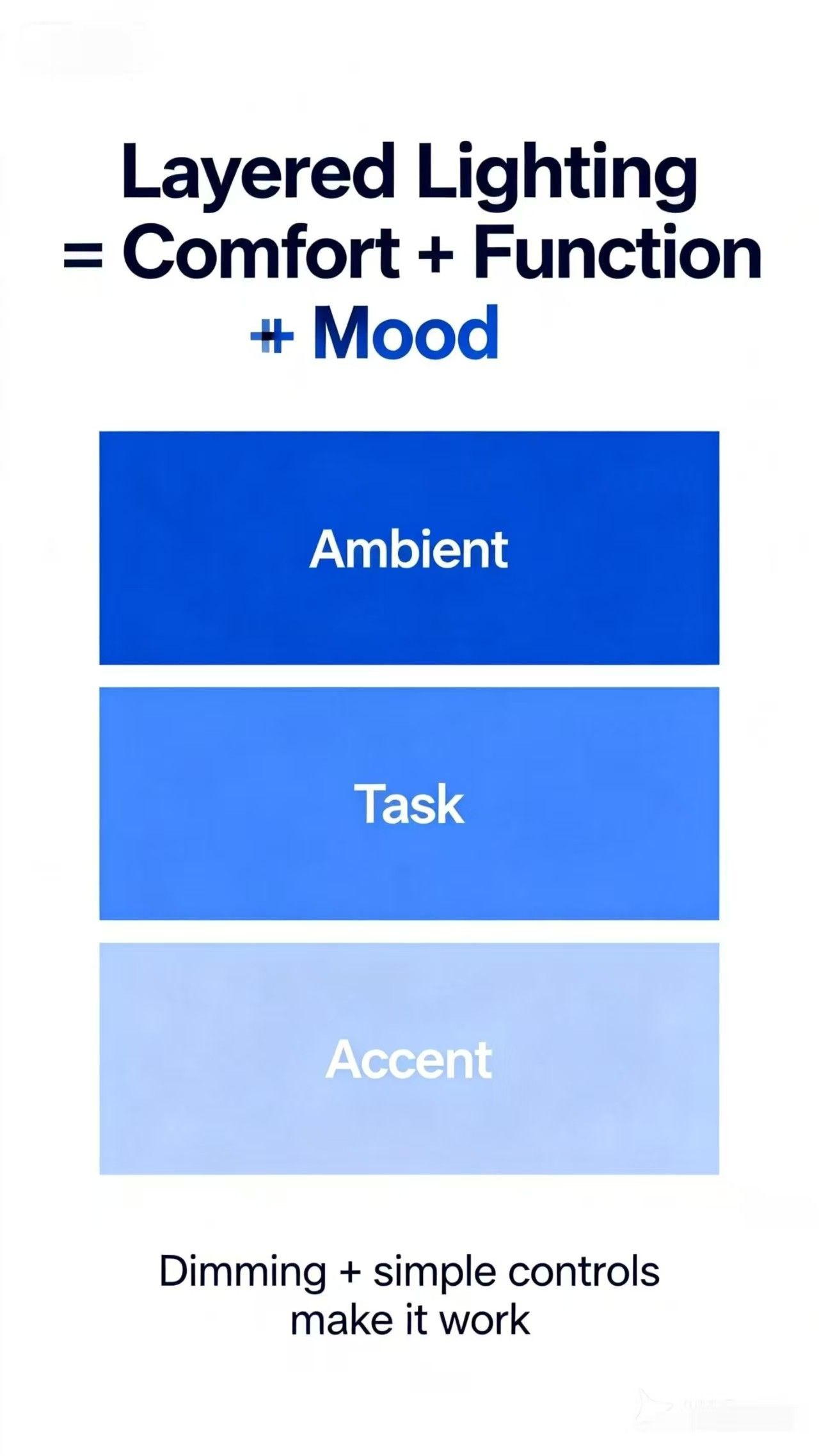 Layered Lighting 101: The Fastest Upgrade That Changes a Home