
Creating Ambiance: Soft Lighting Techniques for Patios, Decks & Outdoor Living Rooms
The Outdoor Room: Lighting for Connection and Comfort
Your patio or deck should feel like an additional living room, not a black void after dark. The goal of ambient lighting here is psychological: to create a warm, inclusive “ceiling” of light that makes people feel sheltered, relaxed, and inclined to linger.
The Warmth of 2700K: Setting the Emotional Tone
Color temperature is paramount. Just as indoors, a warm white (2700K-3000K) LED is essential. It mimics the cozy glow of firelight or candlelight, signaling to the brain that this is a space for unwinding. Cool white light feels sterile, institutional, and drives people indoors.
Layering the Light: The Three-Tiered Approach
The “Ceiling” Layer (Overhead): This defines the space. Commercial-grade outdoor string lights are unparalleled for this. Strung overhead, they create a starry, festive canopy that provides gentle, diffused light without harsh shadows. For pergolas, integrated LED tape in coves offers a modern, architectural solution.
The “Wall” Layer (Vertical): This provides mid-level brightness and architectural interest. Wall-mounted sconces beside doors, post cap lights on railings, or low-level up/down lights on columns wash vertical surfaces with soft light, making the space feel enclosed and secure.
The “Floor” Layer (Low-Level): This adds sparkle and safety. Integrated step lights, subtle recessed deck lights, or low-output path lights around the perimeter define edges and add points of visual interest at foot level, completing the immersive environment.
Choosing the Right Fixtures: Diffusion is Key
Avoid clear-glass fixtures with exposed bulbs in seating areas, as they create glare. Opt for fixtures with opal glass, frosted glass, or fabric shades that soften and scatter the light. Lantern-style fixtures with multiple sides are excellent for casting a gentle, omnidirectional glow.
Control and Flexibility
Install a dimmer for your primary ambient circuits. The ability to lower the lights as the evening progresses enhances intimacy and allows you to highlight other features, like a fire pit or water feature. Smart controls can automate this and create different scenes for dining vs. casual conversation.
Conclusion: The Heart of the Home, Outdoors
By thoughtfully layering warm, diffuse light from multiple levels and sources, you effectively lower the “visual ceiling” of the night sky, making your outdoor room feel intimate, inviting, and truly connected to your home. It’s the art of making outdoors feel as comfortable as in.
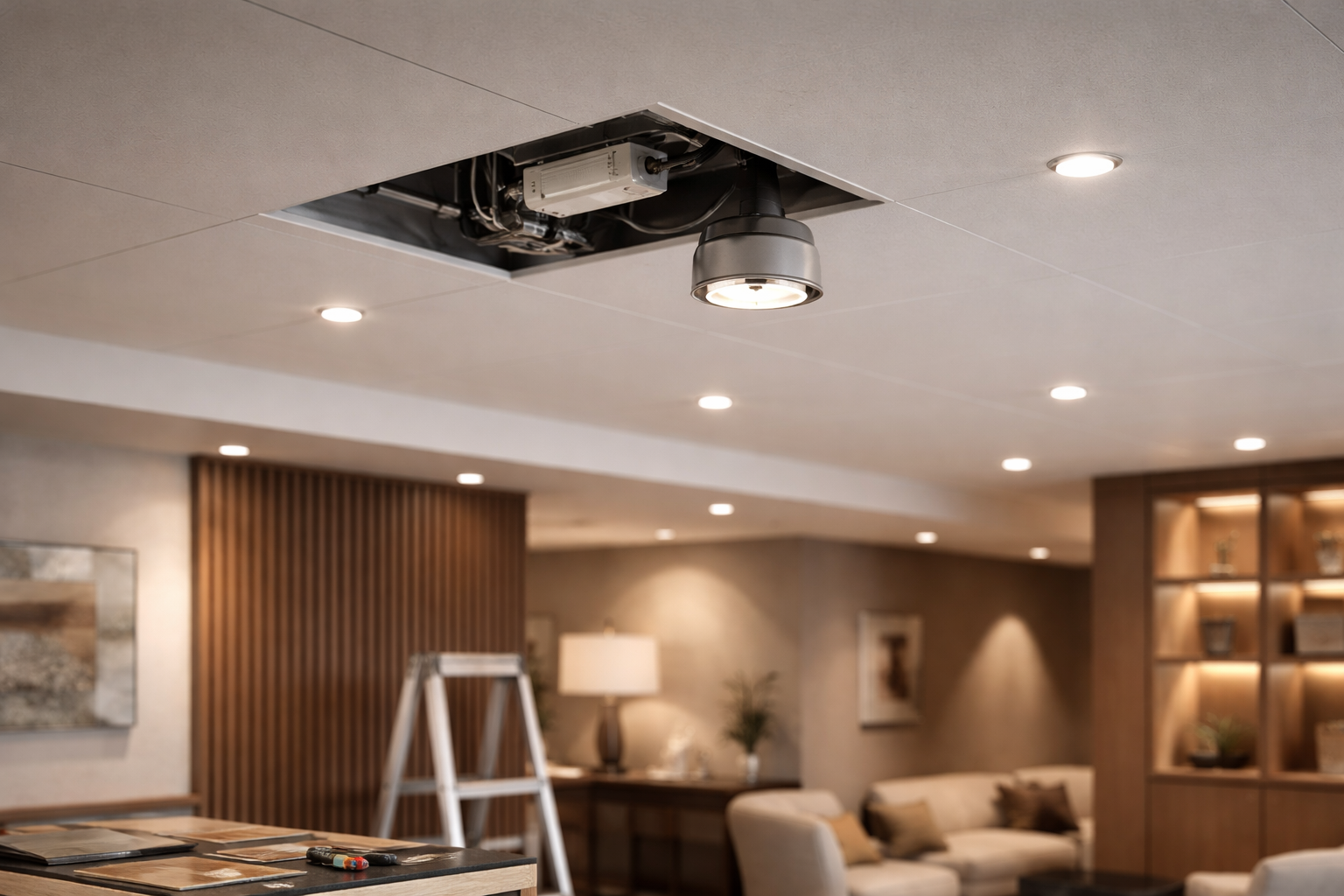 FM Lighting Replacements Without Guessing: Check Driver and Dimming Compatibility Before the Fixture Looks “Ready to Replace”
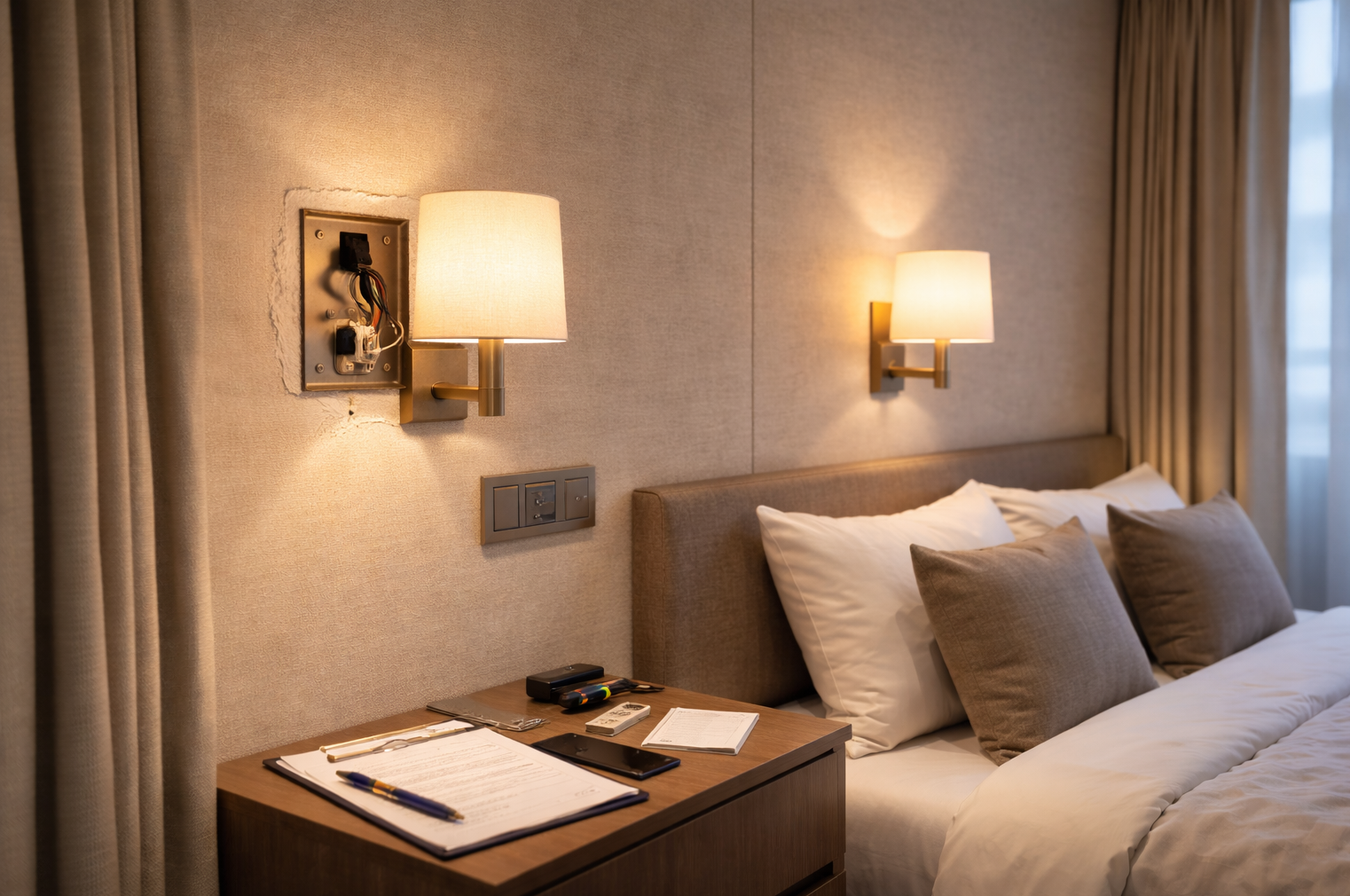 Hotel & Serviced Apartment Refresh: Check Circuits & Dimming Before Choosing Fixtures
 Why multi-stakeholder projects rush timelines but delay decisions
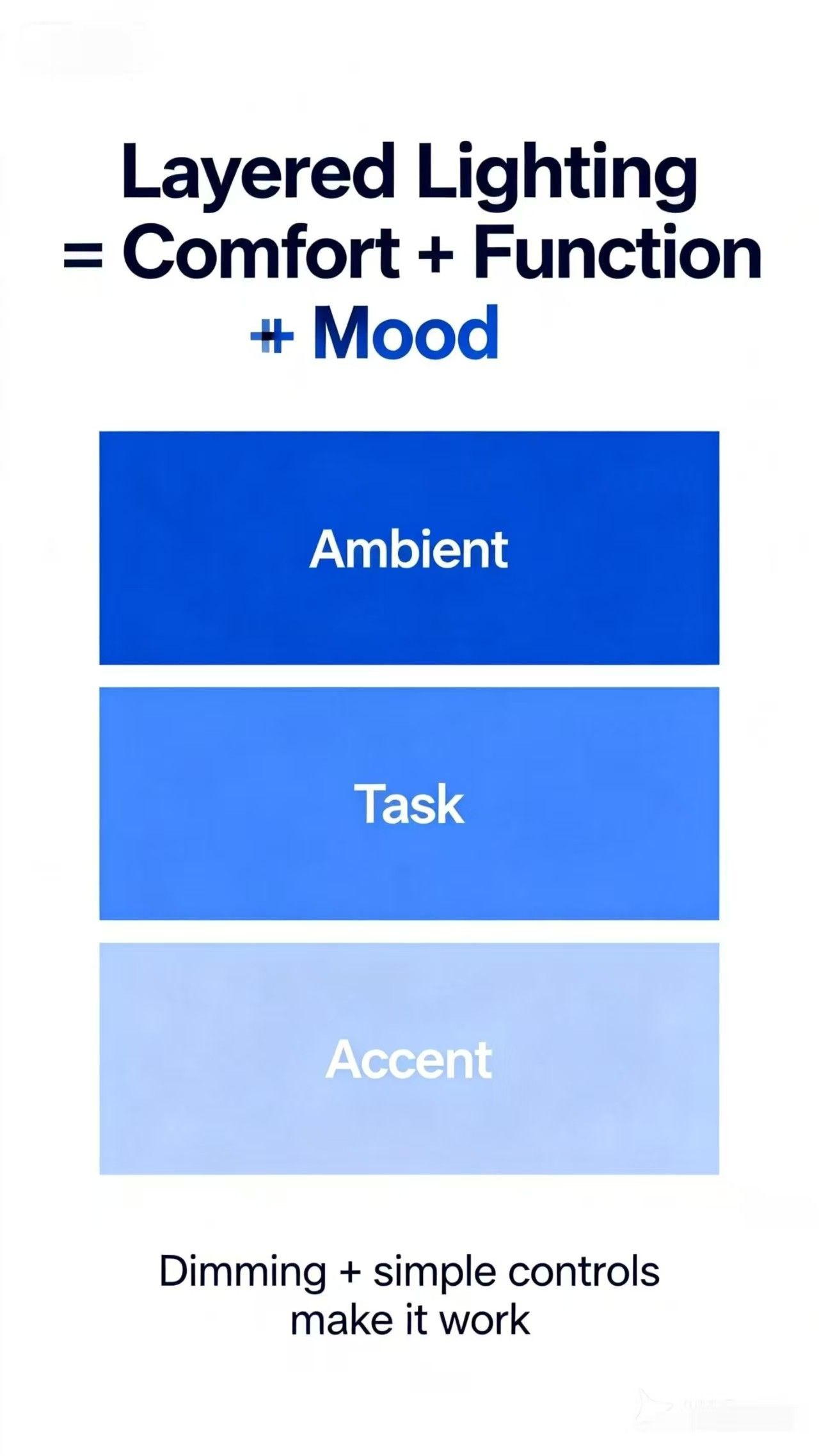 Layered Lighting 101: The Fastest Upgrade That Changes a Home