
In-Ground Well Lights: Seamless, Architectural Lighting for Paths, Walls, and Trees
The Invisible Artisan: Mastering the In-Ground Well Light
For a lighting scheme where the architecture and landscape take center stage—with no visible hardware to interrupt the view—the in-ground well light is indispensable. It is the most discreet and integrated tool in the landscape lighting arsenal, creating magic by making the light source itself disappear.
Design Philosophy: Light Without Object
The core principle is concealment. The cylindrical housing is buried, with only its rim and tempered glass lens sitting flush with grade. This allows for light to emanate from the ground itself, making steps glow, walls appear luminous, and trees seem mysteriously self-illuminated.
Primary Applications & Techniques
Path and Step Lighting: Recessed into the ground alongside a walkway or within a step riser, well lights provide safe, low-level guidance without glare. They create a runway effect, defining edges without cluttering the space with posts.
Wall Washing: A line of well lights placed 12-18 inches from a wall will cast an even, vertical sheet of light upward, emphasizing the wall’s plane and texture. This is perfect for highlighting stonework, siding, or garden walls, making them dominant features at night.
Uplighting Trees and Large Shrubs: Well lights are the premier choice for uplighting. Buried at the base of a tree, they provide a powerful, focused beam straight up the trunk. Using a narrow spot lens ensures the light travels efficiently to the canopy. A gravel tray around the fixture is essential to prevent soil and mulch from covering the lens and to aid drainage.
Installation: The Key to Success and Longevity
Proper installation is more critical for well lights than any other fixture.
Drainage is Crucial: Every well light housing must be installed with a bed of gravel beneath it to allow water to percolate away. Without this, the fixture becomes a bucket that fills with water and fails.
The Gravel Tray/Surcharge Ring: A plastic or metal ring that sits on top of the fixture, filled with gravel. This creates a “moat” that prevents mulch, soil, and lawn clippings from spilling onto the lens and blocking the light.
Lamp Considerations: Due to confined space, heat management is vital. Use only the specified LED modules or lamps. Their long life and low heat output are ideal for the enclosed environment.
Conclusion: The Pinnacle of Integrated Design
Well lights represent a commitment to a polished, architectural lighting aesthetic. They require more planning and careful installation but reward the effort with the cleanest, most sophisticated results. By mastering their use, you can make light itself a natural extension of the landscape, creating breathtaking effects that feel both intentional and effortless.
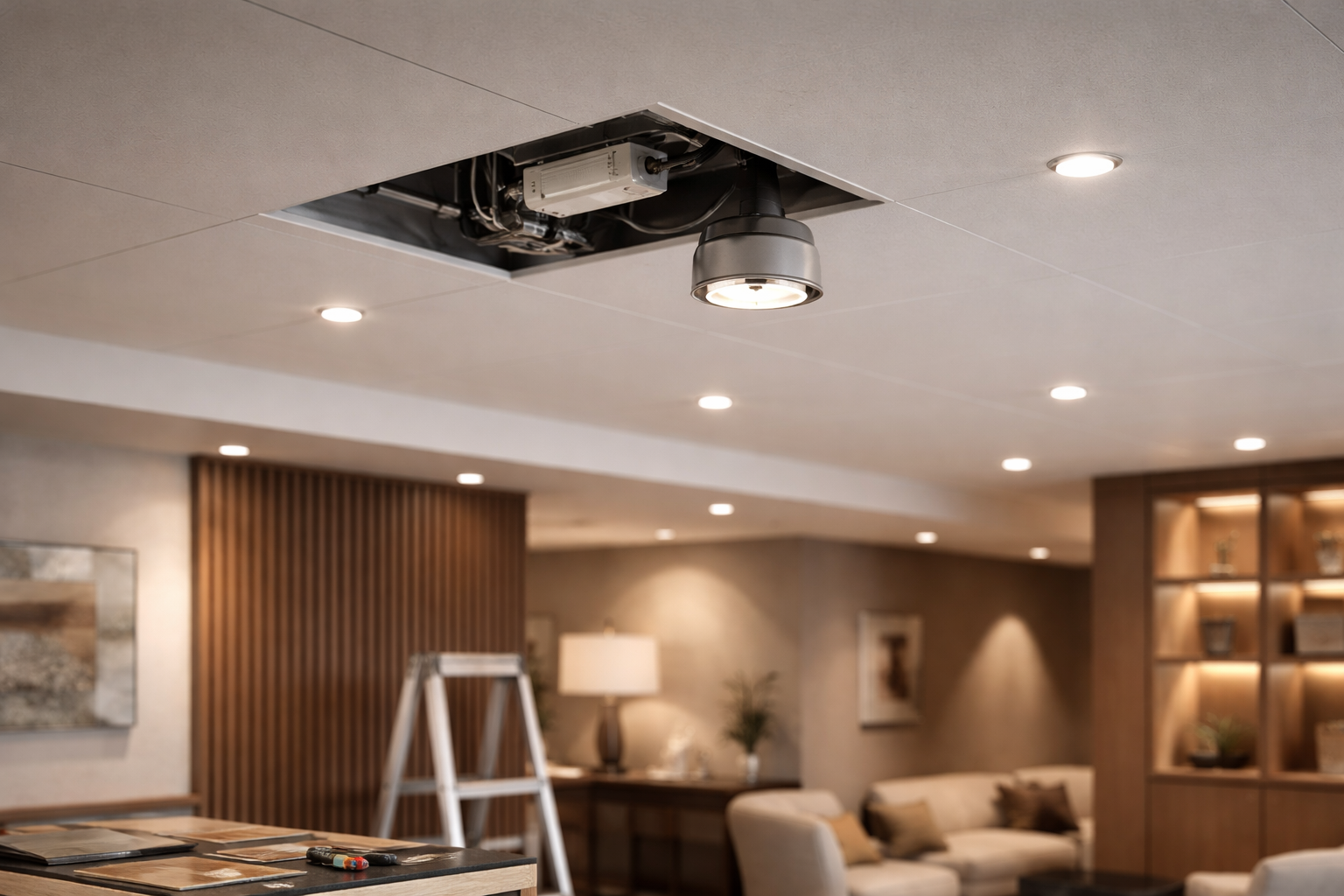 FM Lighting Replacements Without Guessing: Check Driver and Dimming Compatibility Before the Fixture Looks “Ready to Replace”
 Hotel & Serviced Apartment Refresh: Check Circuits & Dimming Before Choosing Fixtures
 Why multi-stakeholder projects rush timelines but delay decisions
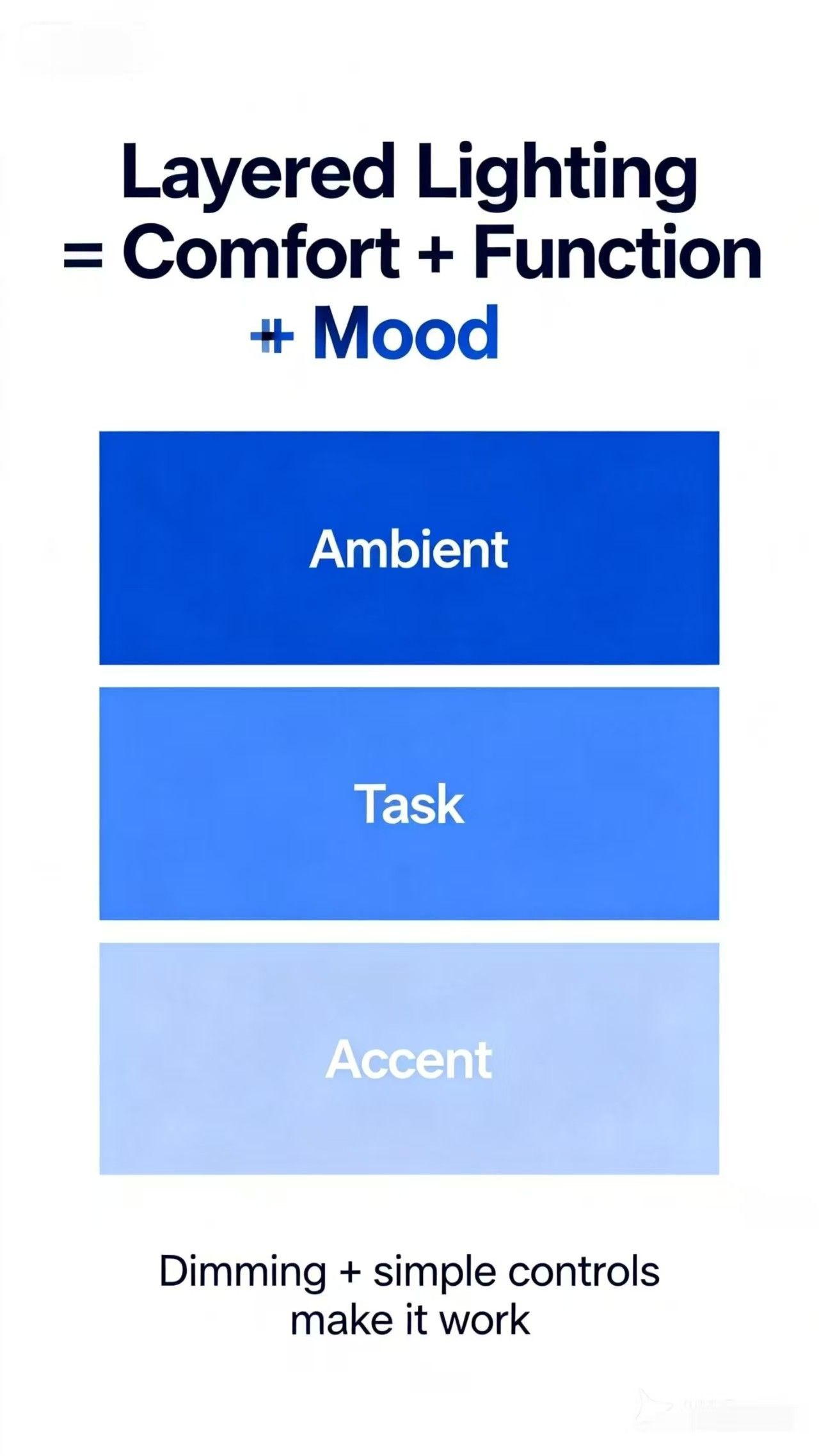 Layered Lighting 101: The Fastest Upgrade That Changes a Home