Oct 3, 2026Wholesale & Customization
When Should Interior Brands Develop a Custom Artwork Collection Instead of Buying Individual Pieces?
Interior brands often start with individual artwork purchases. Learn when developing a custom artwork collection can support stronger product identity, consistency, and long-term commercial growth.
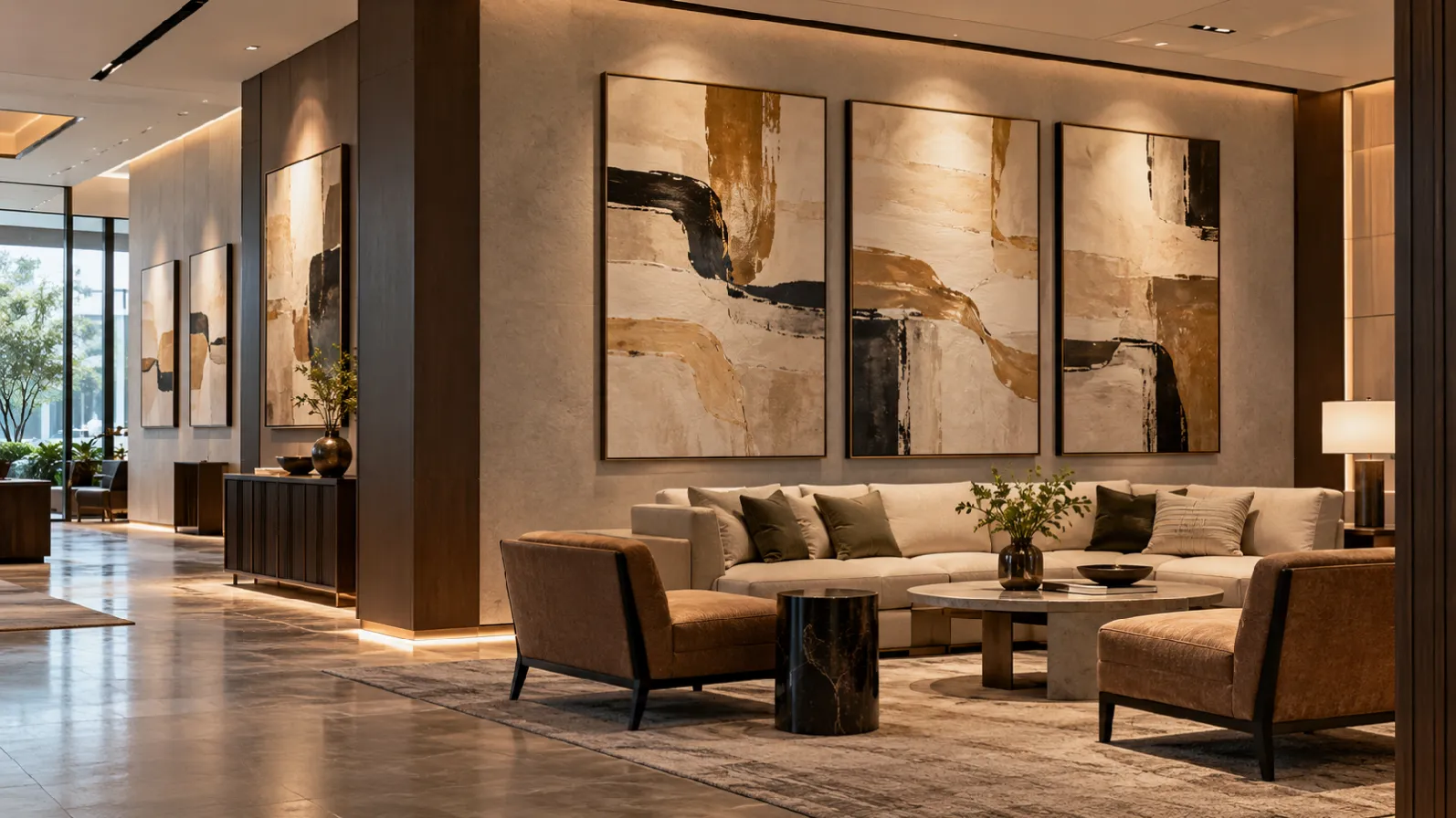
When Should Interior Brands Develop a Custom Artwork Collection Instead of Buying Individual Pieces?
For many interior brands, artwork starts as a supporting category.
A company may initially purchase individual artwork pieces based on available designs, customer requests, or specific project requirements.
This approach is practical when the goal is simply to add more visual elements to an existing assortment.
However, as a brand grows, artwork can become more than a decorative addition.
It can become part of the brand’s product strategy.
At this stage, some companies begin asking:
Should we continue selecting individual artwork pieces, or should we develop a custom artwork collection?
The answer depends on the role artwork plays in the business.
When Buying Individual Artwork Pieces Makes Sense
Individual artwork purchasing can be suitable when:
- artwork is an occasional addition;
- the required quantity is limited;
- products are selected for individual projects;
- there is no need for a consistent collection.
For example, an interior company completing a single project may only need several artwork pieces that match the space.
In this situation, purchasing ready options may be efficient.
When Individual Artwork Becomes Difficult to Manage
As brands expand, individual purchasing can create several challenges.
1. Limited Collection Consistency
When artwork pieces are selected separately, maintaining a consistent visual direction can become more difficult.
A brand may have different:
- styles;
- colors;
- sizes;
- design approaches.
Over time, the assortment may feel less connected.
2. Difficulty Creating Brand Differentiation
Many interior markets contain similar artwork styles.
If products are easily available from multiple suppliers, brands may struggle to create a recognizable collection.
A custom artwork approach allows companies to develop products aligned with:
- customer expectations;
- brand positioning;
- existing product categories.
3. Challenges With Future Collection Updates
Brands that regularly refresh their assortment need more than one-time purchases.
A structured artwork collection can make future updates easier by creating a clear development direction.
This can be valuable for:
- retail brands;
- interior companies;
- hospitality suppliers.
When Developing a Custom Artwork Collection Becomes Valuable
A custom artwork collection may become suitable when artwork supports broader business goals.
Expanding a Product Category
Some brands begin with a small artwork selection and later decide to develop artwork as a dedicated category.
This often happens when customers respond positively to the product direction.
Creating Coordinated Interior Collections
Artwork often works together with other interior elements.
For example:
- decorative lighting;
- accessories;
- hospitality interiors.
A coordinated approach can help brands create a stronger overall collection.
Supporting Multiple Markets or Locations
For businesses serving different projects or locations, a structured collection can provide better consistency.
Examples include:
- retail brands with multiple stores;
- hospitality groups;
- interior companies managing repeated projects.
What Brands Should Consider Before Developing Custom Artwork
Before discussing a custom artwork project, companies should define several commercial requirements.
Application
Where will the artwork be used?
Examples:
- retail assortment;
- hospitality projects;
- interior collections;
- commercial spaces.
Collection Direction
Brands should consider:
- preferred visual style;
- size range;
- color direction;
- relationship with existing products.
Purchasing Plan
Important factors include:
- expected quantity;
- launch timing;
- future replenishment needs;
- target market.
Custom Artwork Does Not Always Mean Starting From Zero
Custom development does not necessarily require creating every idea from the beginning.
Depending on business needs, brands may consider:
- adapting existing concepts;
- developing coordinated collections;
- creating specific variations;
- adjusting sizes or applications.
The appropriate approach depends on:
- commercial goals;
- required differentiation;
- purchasing requirements.
Preparing for a Supplier Discussion
Before contacting an artwork supplier, buyers can prepare:
- artwork style preference;
- approximate quantity;
- application;
- required sizes;
- destination market;
- expected timeline.
Clear information helps suppliers understand whether the project requires:
- ready collections;
- customized options;
- longer-term development.
Conclusion
Buying individual artwork pieces can remain a practical solution for many businesses.
However, when artwork becomes an important part of an interior brand’s assortment strategy, developing a custom collection may provide stronger control over:
- product consistency;
- brand differentiation;
- collection planning;
- future expansion.
For interior brands, retailers, and hospitality-related businesses, artwork can evolve from a supporting product into a structured commercial category.
Commercial CTA
Discuss Your Artwork Collection Development
If you are planning an artwork collection for a retail brand, hospitality project, or interior business, share:
- artwork style direction;
- estimated quantity;
- required sizes;
- application;
- destination market.
MUENHUIDECOR can review suitable artwork development options based on your commercial requirements