Oct 18, 2026Wholesale & Customization
When Should Brands Create Private Label Candle Holder Collections?
When does private label make sense for candle holder collections? Explore repeat demand, brand fit, finish changes and new design development for retail and hospitality buyers.

For many retailers, hospitality groups and interior brands, candle holders appear to be simple decorative products.
However, experienced buyers often view them differently.
A candle holder can become part of a larger commercial collection that supports brand identity, seasonal updates and repeat purchasing.
The key question is not:
"Can we customize candle holders?"
The more important question is:
"When does creating a private label candle holder collection create real business value?"
When Standard Wholesale Candle Holders Are the Better Choice
Private label is not always the right solution.
Standard wholesale products may be more suitable when buyers need:
- fast market testing
- limited quantities
- immediate availability
- one-time interior requirements
For example, a restaurant may need additional tabletop accessories for a seasonal update, or an interior company may need decorative products for a specific project.
In these situations, selecting existing collections may reduce unnecessary complexity.
When Private Label Candle Holders Make Commercial Sense
Private label becomes more attractive when a company has a clear business reason.
1. Retail Brands Need Exclusive Collections
Retailers often compete in crowded markets.
Selling identical products available from many suppliers can make differentiation difficult.
Private label candle holders may help brands create collections with:
- consistent design language
- exclusive product direction
- stronger merchandising opportunities
The goal is not simply adding a logo.
The goal is creating products that fit the brand's market position.
2. Hospitality Groups Need Consistent Decorative Identity
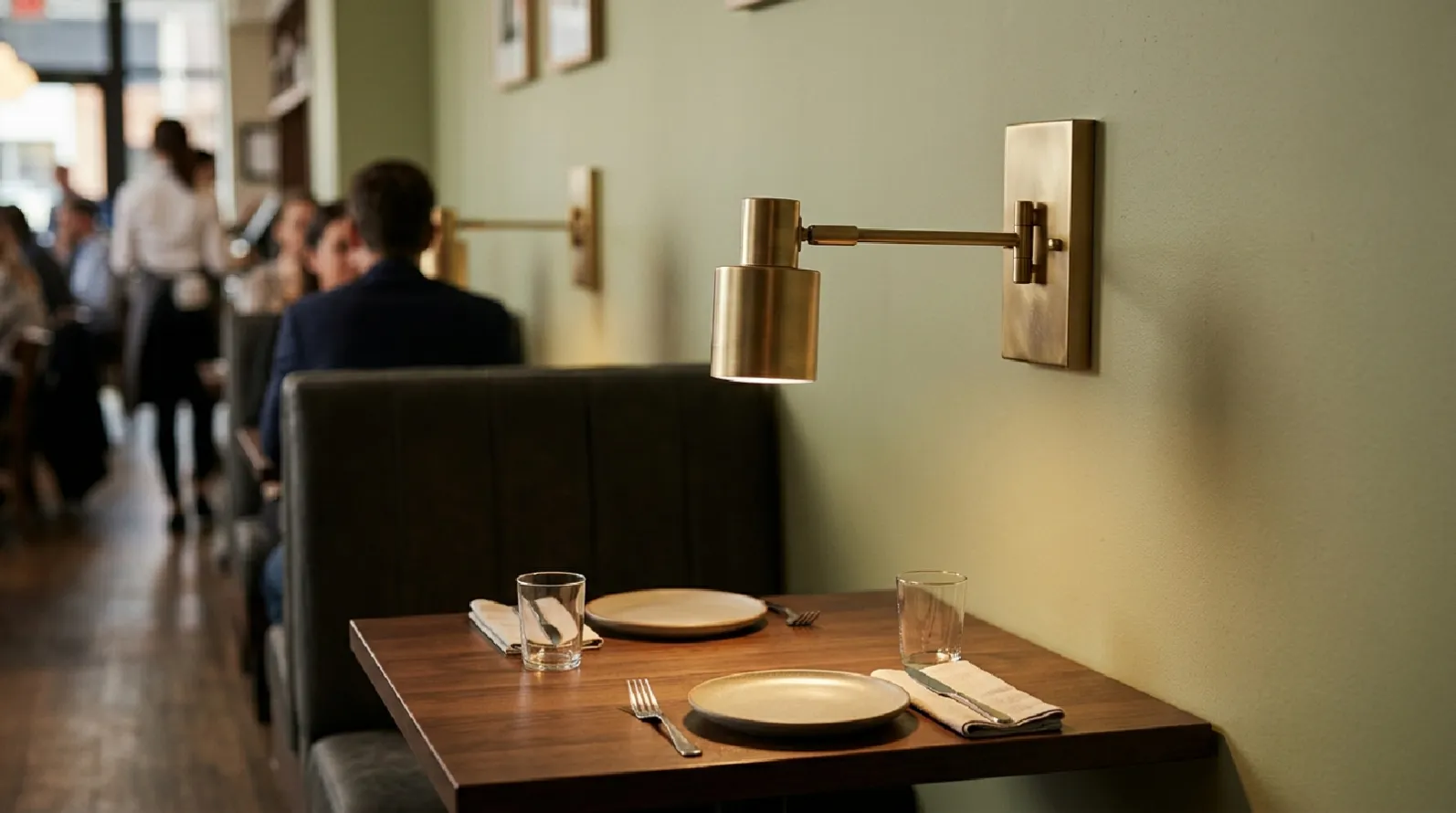
Hotels and restaurants often use decorative accessories to support the atmosphere of their spaces.
Private label candle holders may be considered for:
- restaurant table settings
- boutique hotel concepts
- hospitality refresh programs
- branded guest experiences
For hospitality buyers, consistency and suitability are often more important than customization alone.
3. Distributors Want Stronger Product Categories
Importers and distributors may consider private label collections when they want products that are less directly comparable by price.
A differentiated collection can support:
- stronger customer relationships
- category expansion
- repeat purchasing opportunities
Questions Buyers Should Answer Before Developing Private Label Candle Holders
Before starting a private label program, commercial buyers should consider:
Do You Have Repeat Demand?
Private label usually creates more value when future purchasing is expected.
Consider:
- seasonal collections
- product updates
- customer demand
- category expansion
Does Customization Create Real Difference?
Not every customization creates commercial value.
Buyers should consider whether changes improve:
- customer recognition
- collection consistency
- market positioning
Does It Connect With Other Products?
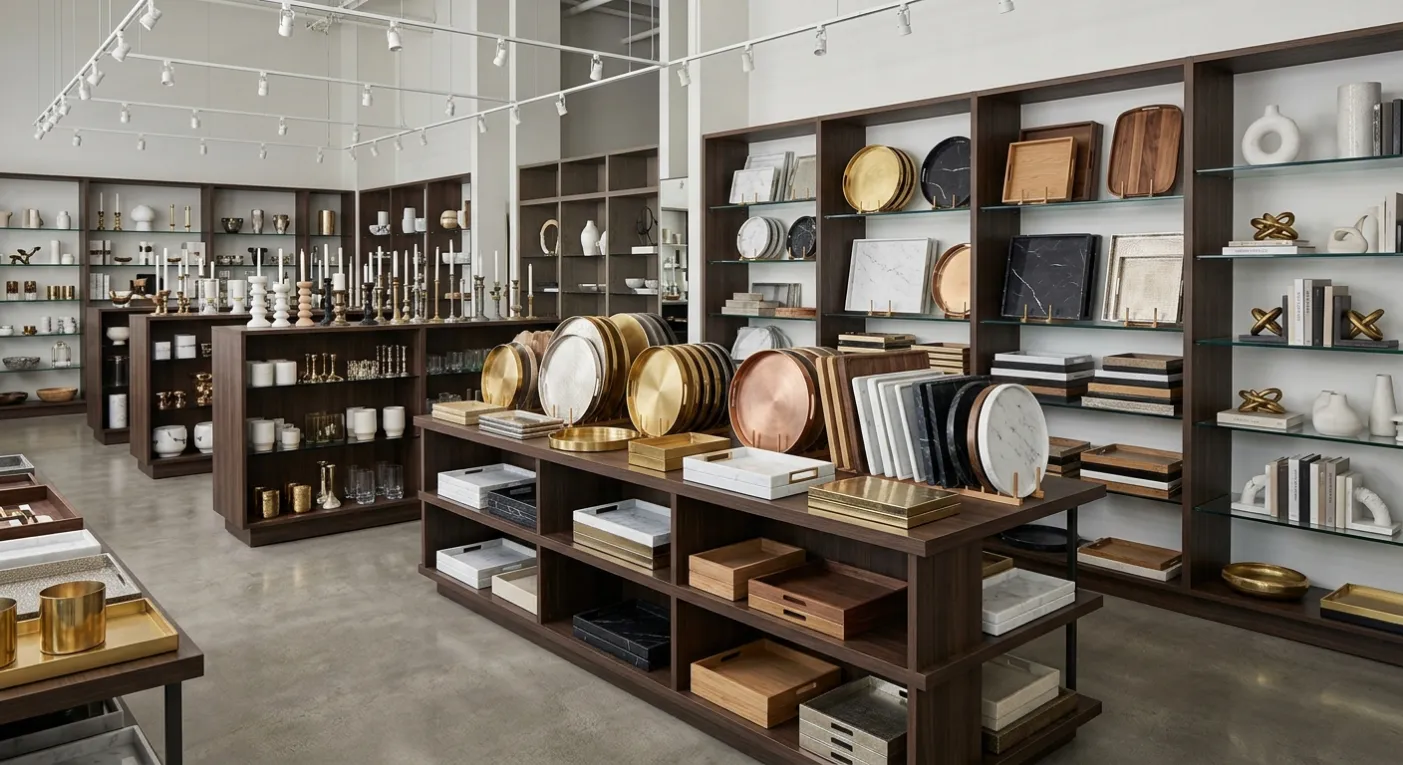
Candle holders often work as part of a broader décor assortment.
They may connect with:
- decorative objects
- trays
- vases
- artwork
- lighting
A collection approach often creates stronger long-term value.
Custom Candle Holders: Changing the Finish or Developing a New Design?
A brand may like an existing candle holder but need a different appearance for its collection. Before requesting a quotation, distinguish between selecting an existing product, adapting its finish and changing the design itself. These routes can involve different sample requirements, quantities and schedules.
Choosing an Existing Design
An existing design may be suitable when its shape, dimensions and finish already fit the intended retail assortment or hospitality setting.
This gives buyers a defined product reference for discussing quantities, samples and delivery timing. However, an existing design should not be assumed to be in stock or available for immediate shipment. Availability and order conditions still need to be checked for the selected model.
Adapting the Finish
A finish change may be worth discussing when the main shape and proportions work, but the color, sheen or surface character needs to coordinate with a brand collection or commercial interior.
For example, a buyer may want to explore a darker metal tone or a different level of gloss while retaining the existing silhouette. Feasibility depends on the material, construction and requested finish. A familiar color name alone does not define the finished appearance.
Finish adaptations may still require sample review and a revised production schedule. They should not automatically be treated as quick or minor changes.
Developing a New Design
Changes to height, base dimensions, candle support, connections or material combinations may require a different development scope.
A taller version, for example, should not be treated simply as an enlarged photograph: its proportions, construction and stability may need further review. Whether new components, tooling or additional development charges are required depends on the actual design.
Private labeling is a separate consideration. Branding or packaging an existing product does not necessarily require a new design, and changing a finish does not automatically make a product exclusive. Any exclusivity requirement should be discussed separately.
For a focused supplier discussion, mark which features of your reference should remain and which should change. This helps MUENHUIDECOR review the requested scope before discussing samples, quotation and timing.
Information Buyers Should Prepare Before Contacting a Supplier
Commercial buyers should prepare:
- product references
- preferred style direction
- target market
- expected quantity
- application
- related product categories
This helps determine whether standard wholesale, semi-custom or private label development is suitable.
Building Long-Term Value Through the Right Décor Supplier
For commercial buyers, the strongest supplier relationship is usually not based on one transaction.
It develops through:
- reliable communication
- consistent product direction
- collection expansion
- repeat purchasing
Candle holders can become an effective starting category before expanding into broader decorative products.
How MUENHUIDECOR Supports Commercial Buyers
MUENHUIDECOR is a B2B wholesale hospitality interior supplier specializing in lighting, decorative artwork and selected FF&E products.
We support:
- retailers
- hospitality operators
- distributors
- interior brands
- commercial projects
Candle holders and decorative accessories can be considered for wholesale collections, hospitality applications and custom product discussions.
Discuss Your Candle Holder Collection Requirements
Please provide:
- target market
- product references
- expected quantity
- application (retail, hotel, restaurant or interior business)
- preferred materials or style direction
- related décor categories you are considering
This helps evaluate the most suitable wholesale or private label approach.
Planning a custom candle holder collection? Send MUENHUIDECOR your reference images, the features you want to keep or change, estimated quantity by design, intended use and destination. Include your preferred finish and target timing so we can review the appropriate development scope.