Sep 22, 2026Wholesale & Customization
When a Small Trial Order Creates the Wrong Expectations for a Larger Reorder
A successful trial order does not always translate directly into a larger reorder. Learn what wholesale buyers should consider when scaling a product.
When a Small Trial Order Creates the Wrong Expectations for a Larger Reorder
A trial order often answers one important question:
Will this product work in the market?
For retailers, importers and distributors, a successful first order is a positive signal.
Customers respond well.
The product fits the collection.
Sales expectations increase.
The next step seems simple:
Order more.
However, moving from a small trial order to a larger reorder can create different commercial requirements.
The product may be the same, but the purchasing situation is no longer the same.
Why Trial Orders and Larger Orders Have Different Objectives
A trial order is usually designed to reduce market risk.
Buyers may use it to evaluate:
- customer response
- product positioning
- selling performance
- collection suitability
A larger reorder has a different purpose.
It is connected to:
- inventory planning
- collection continuity
- sales expectations
- future purchasing decisions
The transition from testing to scaling requires a different level of commercial discussion.
A Successful Trial Does Not Always Mean Everything Scales Automatically
One of the common assumptions in wholesale purchasing is:
"If the first order works, the next order will simply be larger."
In reality, increased order volume may introduce new considerations.
For example:
Product Consistency
When a product becomes an important part of a collection, buyers usually pay closer attention to maintaining the original product direction.
Collection Development
A successful item may create new opportunities:
- additional sizes
- related products
- different finishes
- expanded collections
The buyer's requirement may move beyond repeating the original order.
Commercial Planning
Larger purchases often involve more planning around:
- destination markets
- quantity expectations
- timing
- product positioning
The discussion becomes less about testing and more about supporting a business program.
Why This Matters for Decorative Products
Decorative products often contribute to a buyer's visual collection.
Examples include:
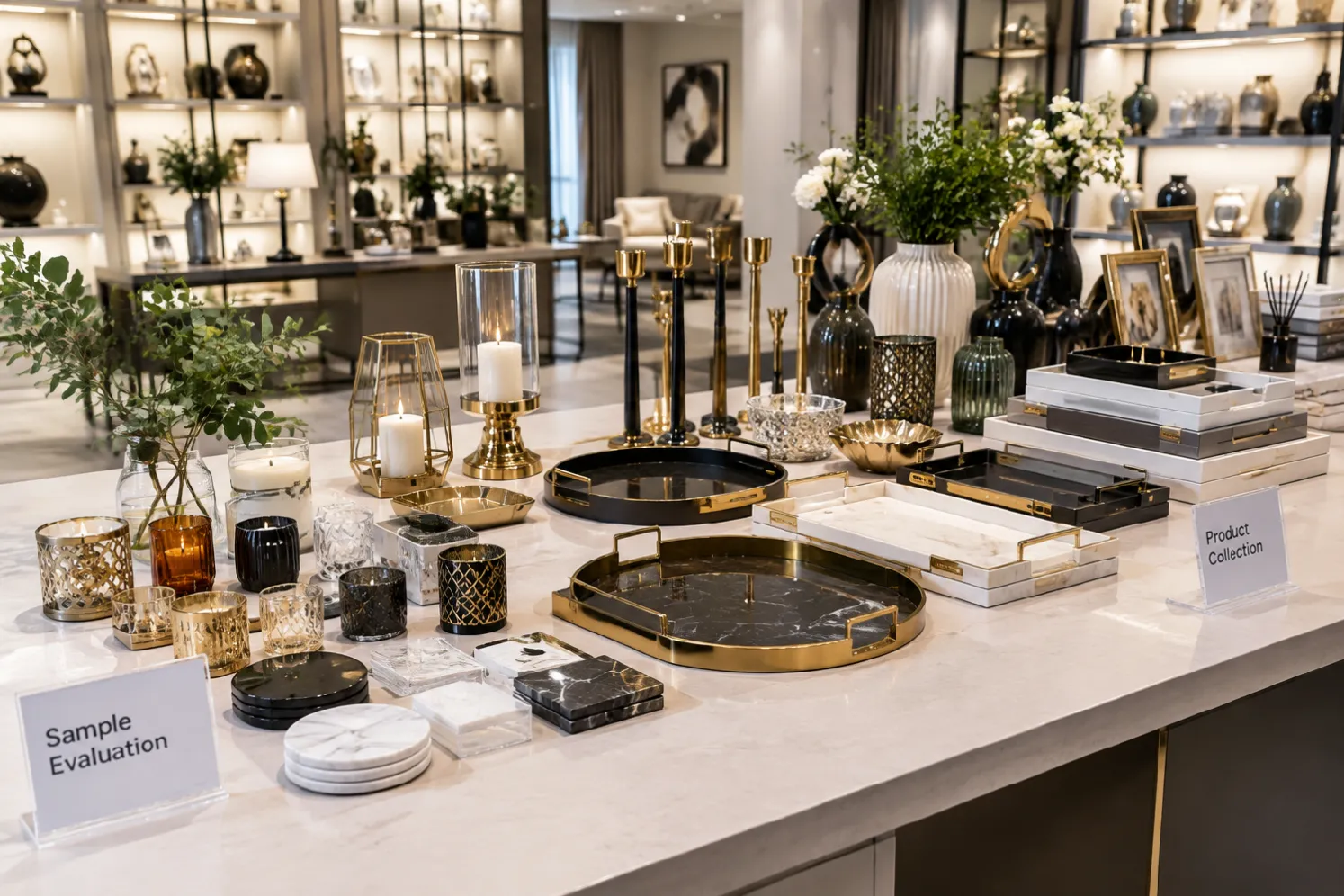
- decorative objects
- trays
- candle holders
- vases
- artwork
- wall décor
- selected interior accessories
A product that performs well may become part of:
- a retail assortment
- an interior brand collection
- a hospitality purchasing program
At this stage, buyers usually need to think beyond the first successful transaction.
The Difference Between Buying More and Building a Repeatable Product
Increasing quantity is not only about adding more units.
For commercial buyers, it can also involve:
- maintaining product identity
- planning future variations
- understanding product requirements
- preparing for continued demand
A supplier discussion becomes more valuable when buyers communicate their expected direction.
For example:
Is this:
- a one-time purchase?
- a seasonal collection?
- a long-term SKU?
- a product family that may expand?
The answer can influence how the requirement should be reviewed.
When Buyers Should Discuss Future Requirements Earlier
A larger reorder becomes easier to evaluate when buyers can provide information such as:
- expected purchasing quantity
- target market
- product application
- reference images
- desired changes
- future collection plans
This does not mean every trial order requires a complete development process.
It means commercial expectations should match the purchasing stage.
Supporting Wholesale and Selected FF&E Buyers
MUENHUIDECOR supplies selected decorative products and lighting solutions for:
- wholesalers
- importers
- retailers
- interior brands
- hospitality and commercial buyers
Our product scope includes:
- decorative lighting
- architectural lighting
- decorative objects
- artwork
- wall décor
- selected interior accessories
Requirements are reviewed according to the specific product category, quantity and commercial application.
Discuss Your Next-Stage Purchasing Requirement
If you have tested a product and are preparing for a larger reorder, please provide:
- current product reference or images
- expected reorder quantity
- destination market
- required timing
- any requested product changes
We can review the requirement based on the specific product and purchasing objective.