Oct 4, 2026Project & Procurement
How Retail Brands Plan Artwork Assortments for Seasonal Collection Launches
Retail brands need more than individual artwork pieces for seasonal launches. Learn how to plan artwork assortments, coordinate collections and prepare commercial requirements before supplier discussi
How Retail Brands Plan Artwork Assortments for Seasonal Collection Launches
For retail brands, artwork is often added as part of a wider interior product assortment.
At an early stage, companies may select individual artwork pieces based on available designs or immediate customer demand.
However, when brands prepare seasonal collection launches, artwork selection becomes a more strategic decision.
The challenge is no longer simply finding attractive pieces.
The challenge becomes:
How can a retail brand build an artwork assortment that supports its collection direction, customer expectations and future product updates?
1. Seasonal Launches Require More Than Individual Artwork Selection
A seasonal collection usually has a clear commercial purpose.
Retail brands may be preparing for:
- new store displays;
- seasonal campaigns;
- updated product ranges;
- market expansion.
If artwork pieces are selected separately without an overall direction, the collection may lack consistency.
A planned assortment helps brands consider:
- visual connection;
- product balance;
- customer positioning;
- future additions.
2. Artwork Assortment Planning Starts With Brand Positioning
Before selecting artwork, retail brands usually consider:
Target Customer
Different customers respond to different artwork styles.
Brands may evaluate:
- market preference;
- price positioning;
- interior style;
- purchasing environment.
Collection Direction
Artwork may need to connect with:
- existing products;
- store atmosphere;
- seasonal themes;
- overall brand identity.
3. How Retail Brands Decide Artwork Quantity
Quantity planning depends on the commercial purpose.
Examples:
Online Collection
Brands may focus on:
- product variety;
- coordinated options;
- customer selection.
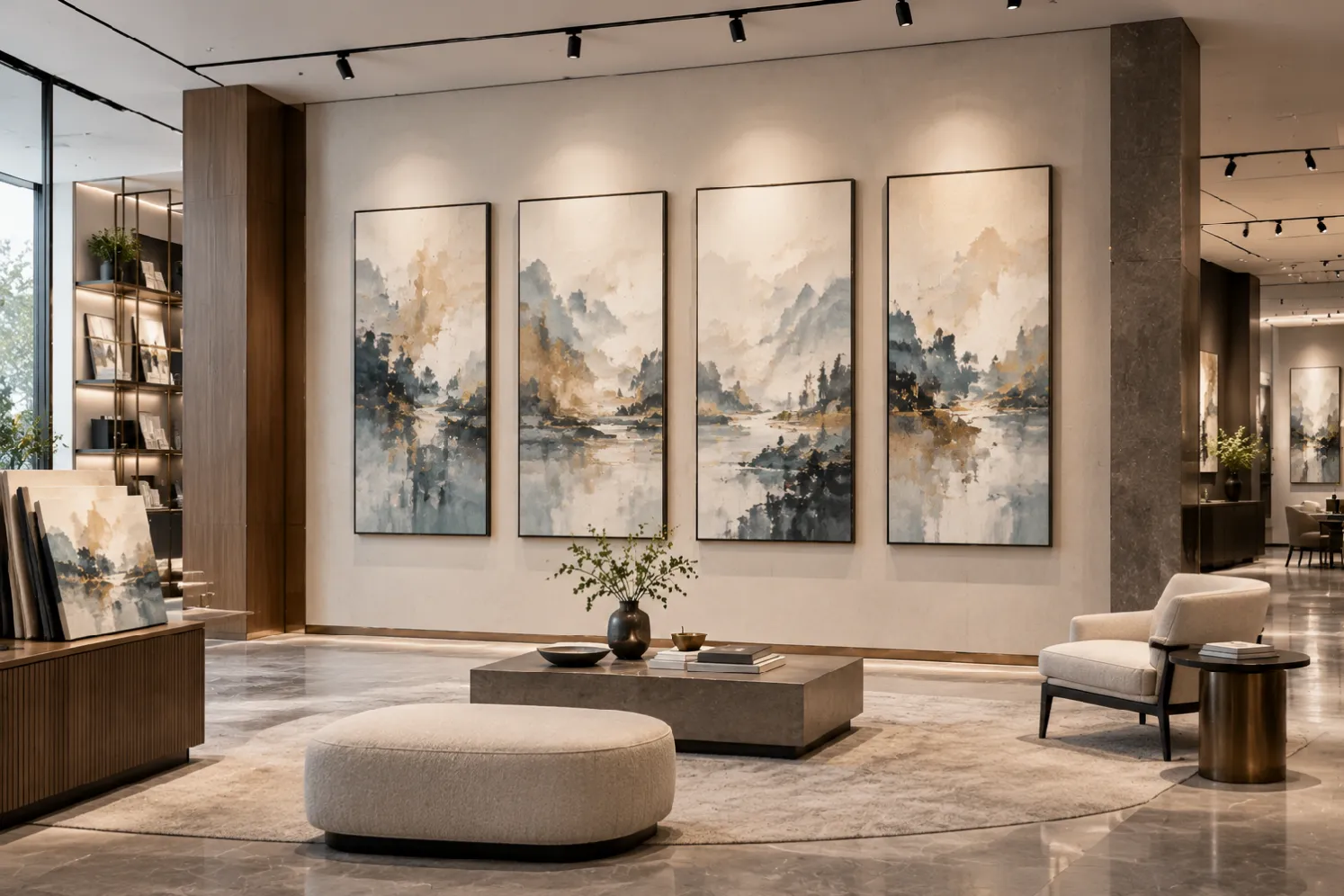
Physical Retail Display
Brands may consider:
- visual impact;
- display balance;
- repeated availability.
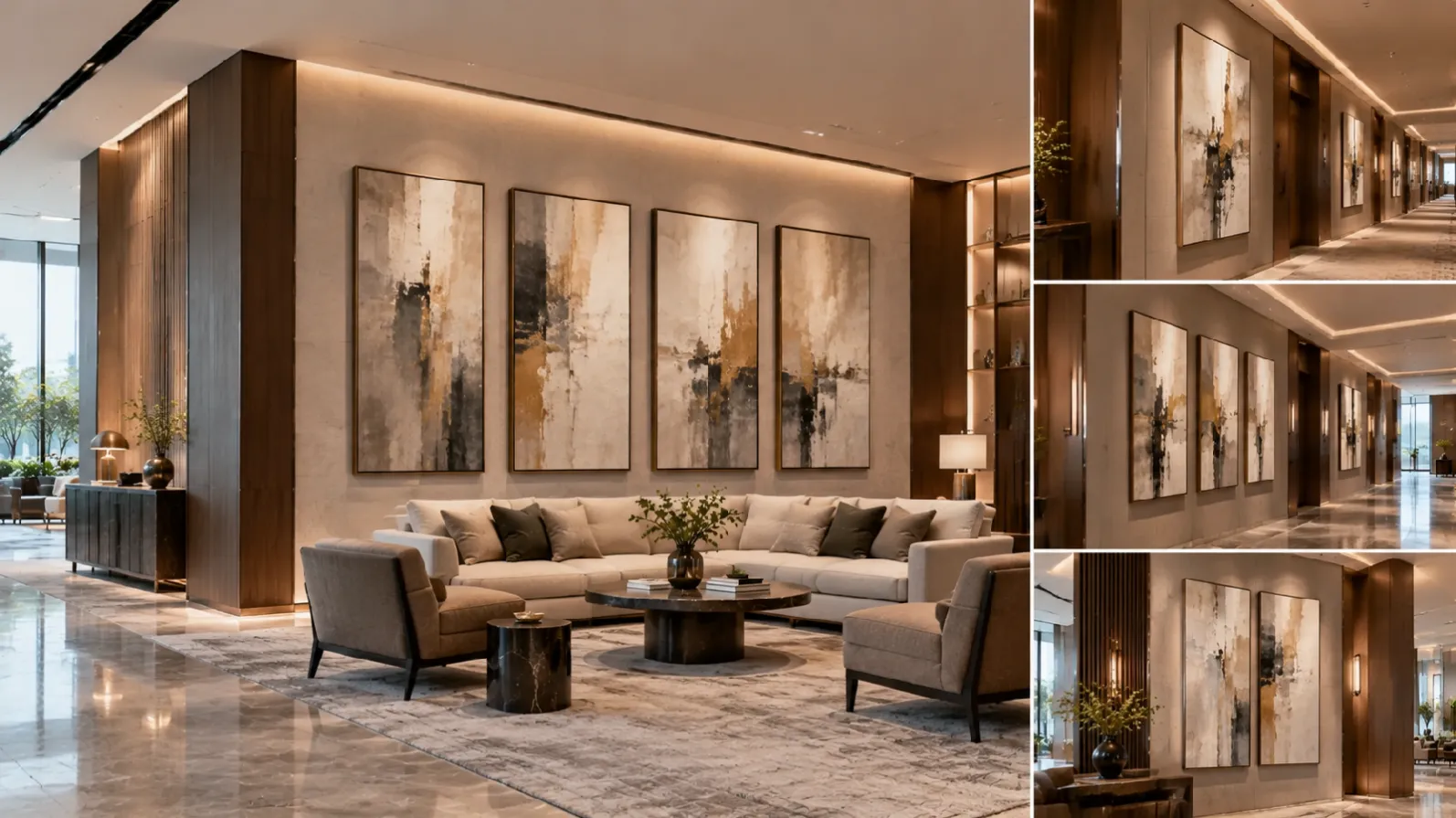
Multi-Location Retail
Brands may require:
- consistency;
- repeatability;
- easier future replenishment.
4. Why Coordinated Artwork Assortments Matter
A collection is stronger when individual pieces support each other.
Retail brands may consider:
- related colors;
- different sizes;
- consistent design direction;
- complementary products.
This allows customers to understand the collection more easily.
5. What Retail Brands Should Prepare Before Supplier Discussions
Before discussing artwork requirements, buyers should prepare:
Application
Examples:
- retail collection;
- showroom display;
- interior brand assortment;
- commercial space.
Product Requirements
Including:
- preferred artwork style;
- approximate quantity;
- size range;
- target market.
Launch Timing
Understanding timing helps suppliers evaluate:
- development requirements;
- collection planning;
- future updates.
6. Artwork Can Become Part of a Larger Interior Collection
For many interior brands, artwork is connected with other product categories.
A coordinated assortment may include:
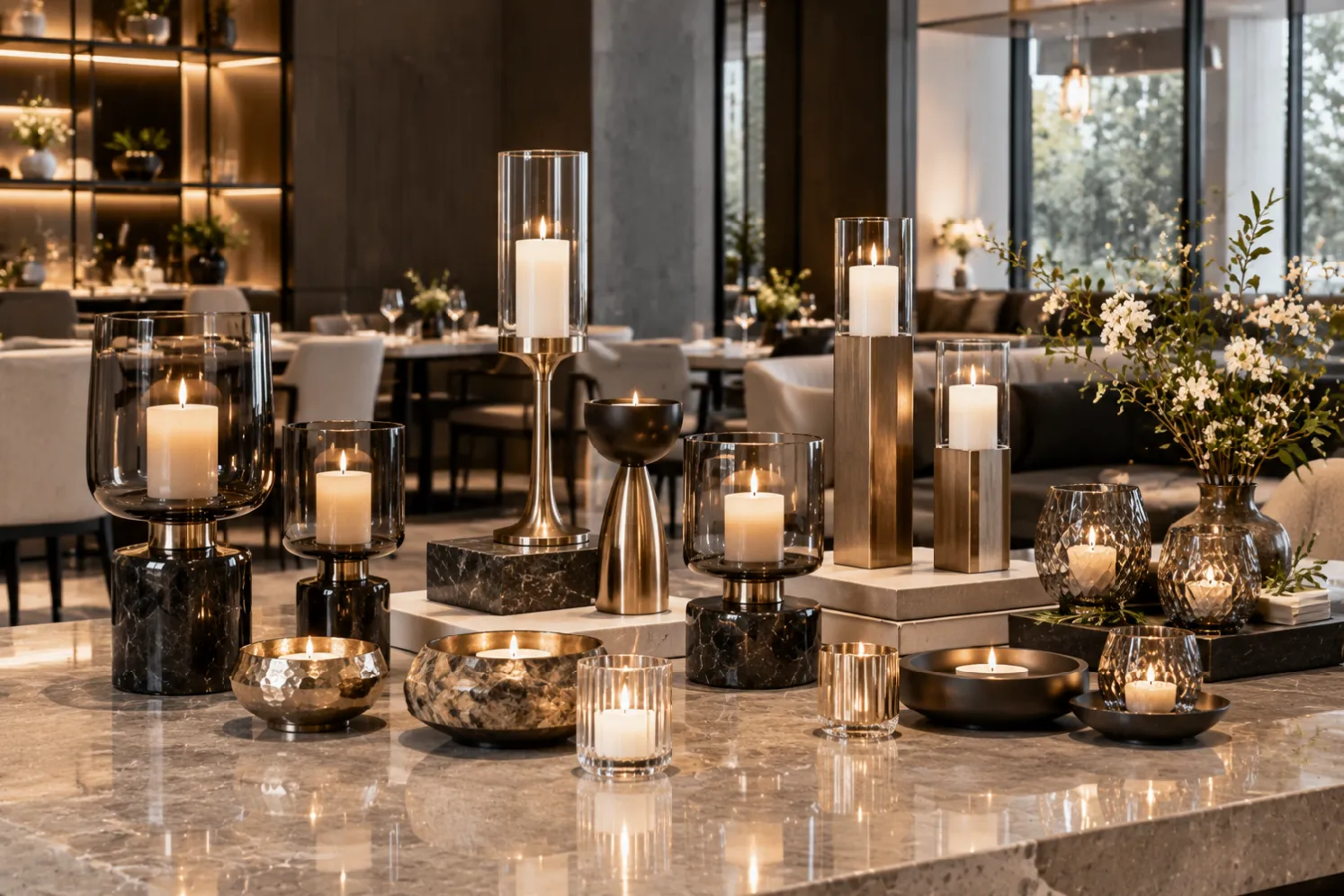
- decorative lighting;
- candle holders;
- decorative objects;
- tabletop accessories.
This creates opportunities for brands to develop broader interior collections.
7. Choosing the Right Supplier for Seasonal Artwork Updates
Retail brands often evaluate suppliers based on:
- communication efficiency;
- understanding of commercial requirements;
- consistency of product execution;
- ability to support future collection updates.
A supplier relationship becomes more valuable when brands need repeated seasonal development.
Conclusion
For retail brands, artwork assortment planning is not only about selecting individual decorative pieces.
It is about creating a product range that supports:
- seasonal launches;
- customer experience;
- collection consistency;
- long-term assortment development.
When artwork becomes part of a structured retail strategy, it can develop from a supporting item into a repeatable commercial category.
Discuss Your Seasonal Artwork Collection Requirements
Planning a retail artwork assortment?
Share:
- artwork style reference;
- target market;
- expected quantity;
- size requirements;
- launch schedule.
MUENHUIDECOR can review suitable artwork development options based on your commercial collection needs.