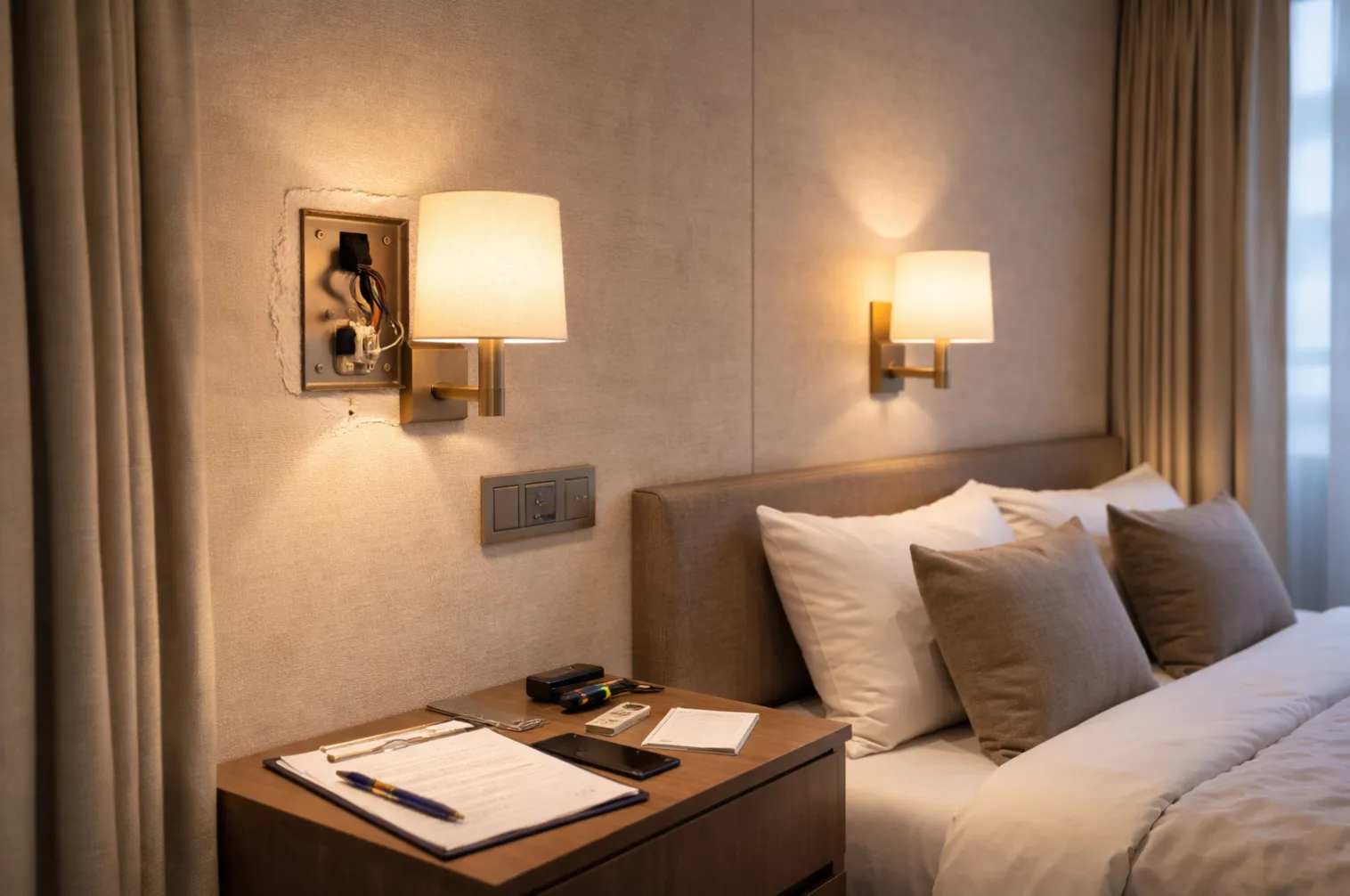
Sep 16, 2026FF&E Coordination
Hospitality FF&E Selection: Why Hotels Need to Consider Long-Term Use Beyond Visual Approval
Hospitality FF&E selection should consider long-term operational reality, not only visual approval during the design and procurement stage.
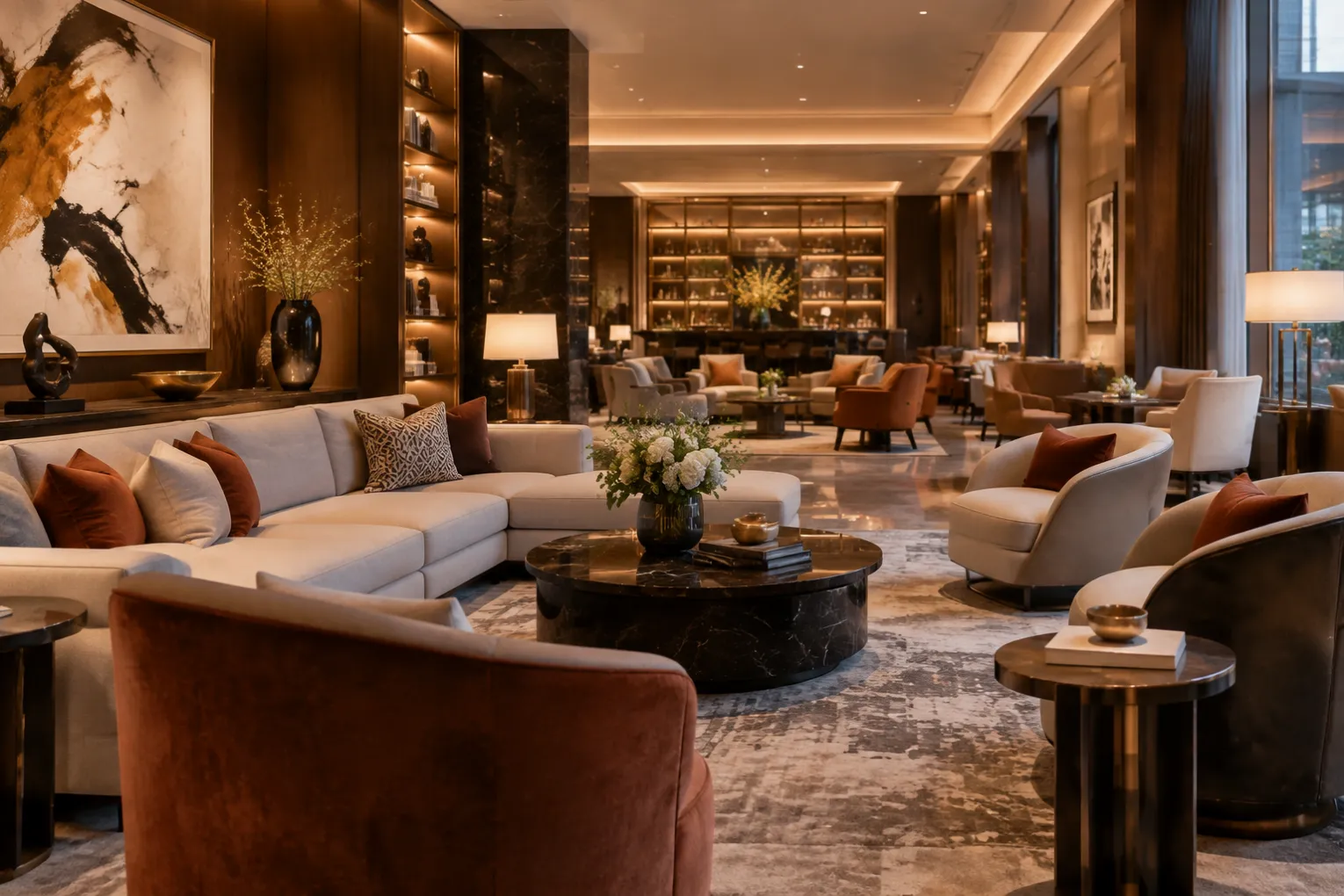
Hospitality FF&E Selection: Why Hotels Need to Consider Long-Term Use Beyond Visual Approval
A decorative item can receive approval quickly during a hospitality project review.
The colour works.
The material fits the design direction.
The overall appearance supports the intended atmosphere.
At this stage, the selection may appear complete.
However, hospitality FF&E decisions are not only experienced during approval meetings. They become part of a working environment that continues every day after installation.
For hotels, serviced residences and guest-facing spaces, the relationship between a product and its operating environment can become an important consideration.
Visual approval is only one part of hospitality FF&E performance
During a project review, decorative objects, artwork, soft décor elements and selected FF&E pieces are usually evaluated within a controlled environment.
Once installed, these items become part of daily hotel operations.
They may experience:
- regular guest interaction,
- housekeeping routines,
- repeated handling,
- repositioning,
- environmental changes,
- ongoing presentation requirements.
The product may still look appropriate, but its long-term relationship with the space becomes clearer only through actual use.
Hospitality environments require more than aesthetic suitability
A successful FF&E selection needs to support both the design intention and the practical reality of the property.
This is particularly relevant for:
- hotel public areas,
- lounge spaces,
- serviced apartment interiors,
- restaurant environments,
- guest-facing decorative areas.
A visually suitable item may still create additional operational attention if it does not align naturally with how the space is maintained.
This does not mean the selection is unsuitable.
It means the project context matters.
Small ongoing requirements can become part of operating costs
In hospitality environments, repeated small actions can accumulate over time.
A decorative element may require more frequent attention.
A focal object may need regular adjustment.
A selected interior piece may require additional coordination after installation.
Individually, these moments may seem minor.
Across multiple areas and repeated routines, they can become part of the practical workload carried by hotel teams.
For owners and procurement teams, this is why FF&E decisions often need to be considered beyond the initial visual review.
Different hospitality projects have different operating expectations
Some properties naturally support higher-touch presentation standards.
Luxury hotels, premium lounges and carefully managed guest areas may already include regular attention to decorative details.
Other projects may prioritize simplicity, stability and easier ongoing management.
The same product can therefore perform differently depending on the environment where it is placed.
Understanding the project context is an important part of selecting suitable hospitality interior products.
When FF&E sourcing deserves closer review
Additional consideration may be valuable when sourcing:
- decorative objects for hotel public areas,
- artwork and framed pieces,
- soft décor items,
- focal interior accessories,
- selected FF&E packages for new openings or renovations.
Projects with specific operational requirements often benefit from working with suppliers who understand hospitality environments and long-term project expectations.
Discuss Your Hospitality FF&E Requirement
If you are sourcing decorative objects, artwork, soft décor or selected FF&E items for a hotel, serviced residence or hospitality project, share your project location, property type, required product category and approximate quantity with our team.
We can review your requirement for a suitable supply discussion.